


Listen to the article
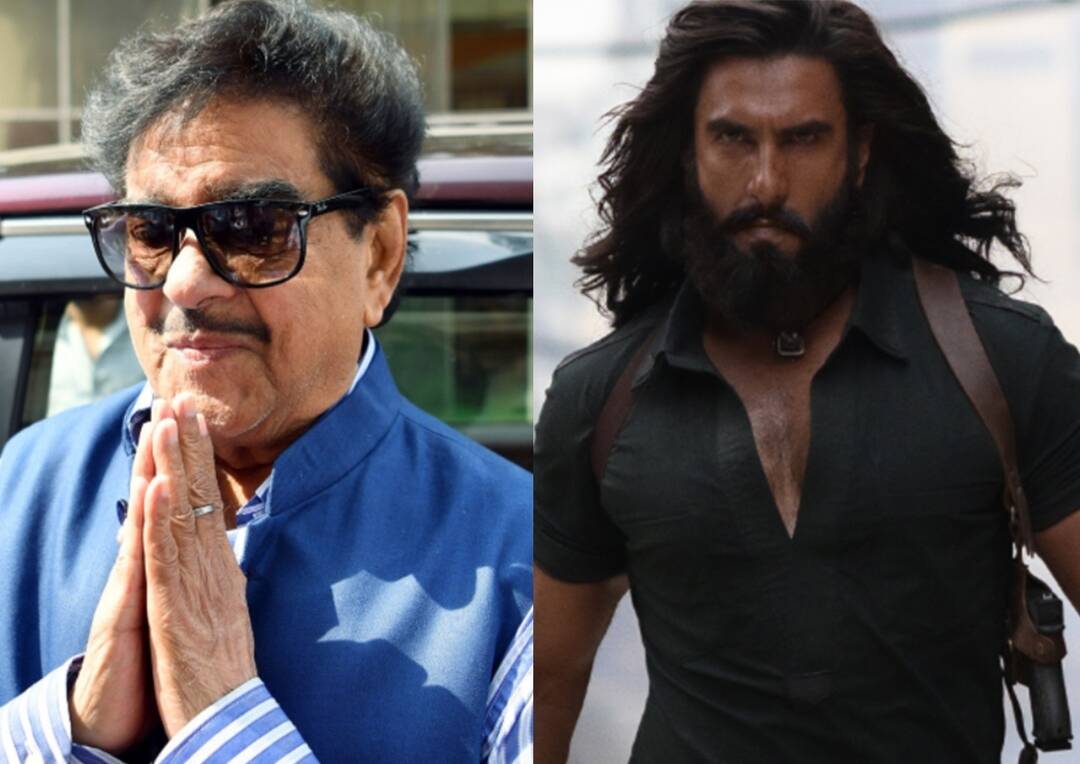
In a recent statement that caught the attention of film enthusiasts and critics alike, veteran actor Shatrughan Sinha has defended the newly released movie “Dhurandhar” against allegations of propaganda, while simultaneously praising its artistic merits and performances.
“What propaganda?” Sinha questioned emphatically when approached by reporters at a film industry event in Mumbai. The actor, known for his straightforward opinions and decades-long career in Bollywood, appeared visibly perplexed by the criticism being leveled at the film.
The movie “Dhurandhar,” which released last weekend across theaters nationwide, has sparked considerable debate among viewers and critics for its portrayal of certain historical events and political undertones. Some reviewers have suggested the film presents a one-sided narrative that aligns with particular ideological positions, leading to accusations of it being propagandistic in nature.
Sinha, however, rejected such characterizations outright. “I watched the film with my family and found it to be a compelling piece of cinema that tells an important story,” he stated. “The performances are exceptional, and the technical aspects are handled masterfully. Everyone stands out superbly in their respective roles.”
Industry analysts note that “Dhurandhar” joins a growing list of Indian films that have faced similar scrutiny in recent years for their treatment of politically sensitive or historically contested subjects. The line between artistic expression and political messaging has increasingly blurred in contemporary Indian cinema, with several high-profile releases generating heated public discourse.
Film trade expert Rajesh Mehra pointed out that the controversy might actually benefit the film commercially. “We’ve seen this pattern before—when a film generates debate about its political leanings, it often translates to increased footfalls in theaters. People want to see for themselves what the discussion is about,” Mehra explained.
“Dhurandhar” has reportedly performed well at the box office despite mixed critical reception, collecting approximately ₹45 crore in its opening weekend. The film features an ensemble cast of established actors alongside promising newcomers, with its production values receiving widespread acclaim even from detractors.
Director Vikram Bhatt, who helmed the project, has maintained that his intention was to create an entertaining film that also provokes thought about certain chapters in Indian history that he believes deserve more attention. “We approached the subject matter with sensitivity and research,” Bhatt had stated at the film’s premiere. “Our goal was authenticity, not controversy.”
Shatrughan Sinha’s defense of the film carries particular weight given his background not only in cinema but also in politics, having served as a Member of Parliament and held various political positions throughout his career. His ability to straddle both worlds gives him a unique perspective on the intersection of entertainment and political messaging.
Film critic Ananya Gupta offers a more nuanced take on the situation. “The question isn’t whether films should engage with political themes—they absolutely should. The concern is about transparency of intent and fairness in portrayal,” she said. “Audiences are increasingly sophisticated and can distinguish between genuine artistic exploration and calculated messaging.”
The controversy surrounding “Dhurandhar” reflects broader tensions in India’s cultural landscape, where cinema often becomes a battleground for competing narratives about national identity, historical interpretation, and contemporary politics.
As the debate continues, the film itself continues to attract audiences across metropolitan cities and smaller towns alike. Whether viewed as propaganda or praised as powerful storytelling, “Dhurandhar” has succeeded in becoming one of the most talked-about releases of the season—something that both its creators and critics might agree is a testament to cinema’s enduring power to provoke and engage.
Fact Checker
Verify the accuracy of this article using The Disinformation Commission analysis and real-time sources.

12 Comments
Shatrughan Sinha’s defense of ‘Dhurandhar’ against propaganda allegations is thought-provoking. His praise for the film’s performances and technical aspects suggests there may be more to the story than just ideological messaging. I’ll have to watch it myself and come to my own conclusions.
Interesting take on the ‘Dhurandhar’ film. I appreciate Shatrughan Sinha’s perspective – it’s always good to hear different views on potentially controversial topics. Curious to learn more about the film’s artistic and technical merits.
I agree, the discussion around potential propaganda is thought-provoking. It will be interesting to see how the film is received more broadly as it reaches wider audiences.
Sinha’s perspective on ‘Dhurandhar’ provides an interesting counterpoint to the propaganda claims. As an experienced voice in the industry, his assessment of the film’s artistic qualities is worth considering. I’m curious to see how the debate around the film’s themes and narrative evolves.
Sinha’s perspective on ‘Dhurandhar’ is an interesting counterpoint to the propaganda claims. As an industry veteran, his assessment of the film’s artistic merits carries weight. I’m curious to learn more about the specific critiques and how the film handles its historical/political themes.
Shatrughan Sinha’s defense of ‘Dhurandhar’ is intriguing. As a seasoned industry figure, his assessment of the film’s quality and lack of propaganda carries weight. I’m curious to learn more about the specific critiques and how the film handles historical/political themes.
Sinha’s defense of the film against allegations of propaganda is intriguing. As an industry veteran, his opinion holds weight. I’m curious to see the film and form my own assessment of its narrative and themes.
Indeed, it’s always good to approach these types of films with an open mind. I appreciate Sinha highlighting the strong performances and technical aspects, which suggest the film has artistic merit beyond any political messaging.
Sinha’s defense of ‘Dhurandhar’ against propaganda allegations is noteworthy. His praise for the film’s performances and technical aspects suggests there may be more to the story than just ideological messaging. I’ll have to watch the film and form my own opinion on the balance between artistic expression and political commentary.
The debate around ‘Dhurandhar’ raises important questions about how we evaluate films with perceived ideological agendas. Sinha’s perspective, as an experienced actor, provides a thoughtful counterpoint to the propaganda claims.
You make a fair point. It’s wise to consider multiple viewpoints before drawing conclusions about a film’s intent and impact. The artistic merits Sinha cites are worth exploring further.
It’s refreshing to see a veteran actor like Sinha stand up for a film against allegations of propaganda. His praise for the performances and technical aspects suggests the movie may have artistic merit beyond any ideological messaging. I’ll have to check it out and form my own opinion.