


Listen to the article
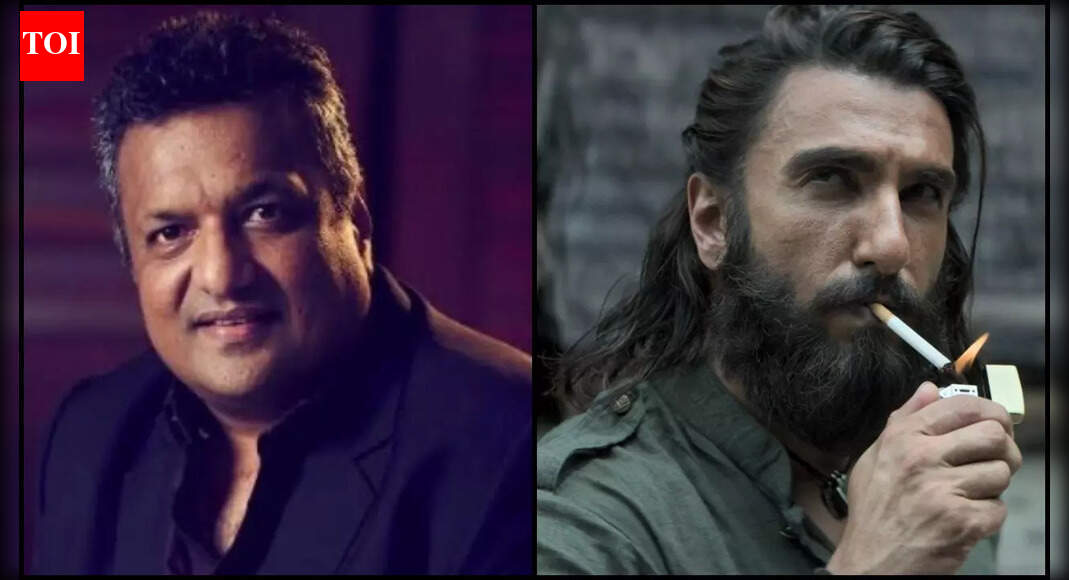
‘Dhurandhar’ Continues to Stir Debate as Director Sanjay Gupta Clarifies ‘Propaganda’ Comments
“Dhurandhar,” the gripping film that has captured widespread attention, continues to generate substantial discussion across social media platforms despite its extended runtime and controversial violent content. The film has sparked numerous debates, with the latest involving acclaimed director Sanjay Gupta, who faced significant backlash after his comments about the film were misinterpreted.
Gupta, known for directing hits like “Kaante” and “Shootout at Lokhandwala,” recently shared his positive review of the film on social media platform X (formerly Twitter). “For me it was a ONE MAN SHOW all the way and that man is @AdityaDharFilms. I’m not interested in all the propaganda b****it,” he wrote, while congratulating the team and praising the film’s musical score.
The use of the word “propaganda” in his review immediately triggered controversy, with many viewers and commentators questioning what Gupta meant by the term and whether he was criticizing the film’s political undertones.
As criticism mounted, Gupta issued a clarification to address the misinterpretation of his original statement. “I can’t believe the whole lot of idiots abusing me for this tweet about #Dhurandhar… What I mean is that I don’t think there is any propaganda in the film. Get a life guys,” he explained, emphasizing that his original post was intended as praise for director Aditya Dhar rather than criticism.
The controversy highlights the sensitive nature of political themes in contemporary Indian cinema, where films touching on national security, terrorism, or geopolitical issues often face scrutiny about potential political bias. “Dhurandhar” is no exception, with discussions about its narrative approach dominating social media conversations since its release.
Industry insiders note that the term “propaganda” has become increasingly contentious in film discourse, especially for productions that deal with nationalist themes or historical events with political implications. Several high-profile celebrities have weighed in on the broader debate, though the film’s commercial success suggests that audiences are responding positively regardless of the controversy.
Directed by Aditya Dhar, who previously helmed the National Award-winning “Uri: The Surgical Strike,” “Dhurandhar” boasts an impressive ensemble cast including Ranveer Singh, Akshaye Khanna, Sanjay Dutt, Danish Pandor, Rakesh Bedi, Sara Arjun, Arjun Rampal, and R. Madhavan. The film has been marketed as being based on “incredible true events,” focusing on a mysterious agent who infiltrates the heart of the Lyari mafia, navigating complex political landscapes while pursuing a high-stakes mission.
The story appears to be structured as part of a larger narrative, with the second installment titled “Revenge” already scheduled for release on March 19, 2026. This planned sequel indicates studio confidence in the franchise potential of the property, despite—or perhaps because of—the controversies surrounding it.
Box office analysts suggest that the ongoing discussions about “Dhurandhar” have likely contributed to its sustained theatrical performance, as controversy often translates to increased public curiosity. The film represents a growing trend in Indian cinema of action-thriller productions that blend patriotic themes with high-octane storytelling.
As “Dhurandhar” continues its theatrical run, the debate surrounding its themes and reception demonstrates how contemporary Indian cinema increasingly serves as a flashpoint for broader cultural and political discussions in the digital age.
Fact Checker
Verify the accuracy of this article using The Disinformation Commission analysis and real-time sources.

12 Comments
The controversy around Gupta’s ‘propaganda’ comment on ‘Dhurandhar’ highlights the sensitivity of political themes in cinema. I’m glad he took the time to address the criticism and provide more context around his perspective.
Thoughtful engagement from directors can help foster deeper discussions about the artistic merits and social impact of their work. Gupta’s response is a welcome contribution to the ongoing ‘Dhurandhar’ dialogue.
The debate around ‘Dhurandhar’ highlights how films can spark important conversations, even if there are differing views. I appreciate Gupta taking the time to respond to the criticism and provide his rationale.
Thoughtful directors engaging with their audiences is a positive thing, as it allows for a fuller understanding of the work. Hopefully this leads to a more constructive discussion.
Interesting take from Sanjay Gupta on the film ‘Dhurandhar.’ It’s good to see directors engaging with the public dialogue around their work, even when there’s controversy. I’m curious to hear more about his perspective on the ‘propaganda’ aspect he mentioned.
Gupta’s clarification should help provide some much-needed context. It’s important to have nuanced discussions around films that tackle complex political and social themes.
Director Sanjay Gupta’s comments on ‘Dhurandhar’ raise some interesting points about the role of political messaging in filmmaking. I appreciate him taking the time to clarify his stance, as it allows for a more nuanced discussion.
Engaging with filmmakers directly can provide valuable insights into their creative process and perspectives. Gupta’s clarification helps frame the ‘Dhurandhar’ debate in a more constructive light.
Sanjay Gupta’s clarification on his ‘propaganda’ comment regarding ‘Dhurandhar’ is a constructive step in addressing the controversy. It’s important for filmmakers to engage with audience perspectives, even when there are differing views.
The debate around ‘Dhurandhar’ demonstrates the power of cinema to provoke thoughtful discussions on complex sociopolitical issues. Gupta’s willingness to provide context is commendable.
Gupta’s comments on ‘propaganda’ seem to have been misinterpreted. It’s good that he clarified his stance, as nuance is often lost in the online discourse around films. I’m curious to hear more about his specific critiques, if any.
The ‘Dhurandhar’ debate underscores how charged political films can be. Gupta’s response indicates he’s willing to engage thoughtfully, which is admirable.