


Listen to the article
Film Director Sandeep Reddy Vanga Defends ‘Dhurandhar 2’ Amid Critical Response
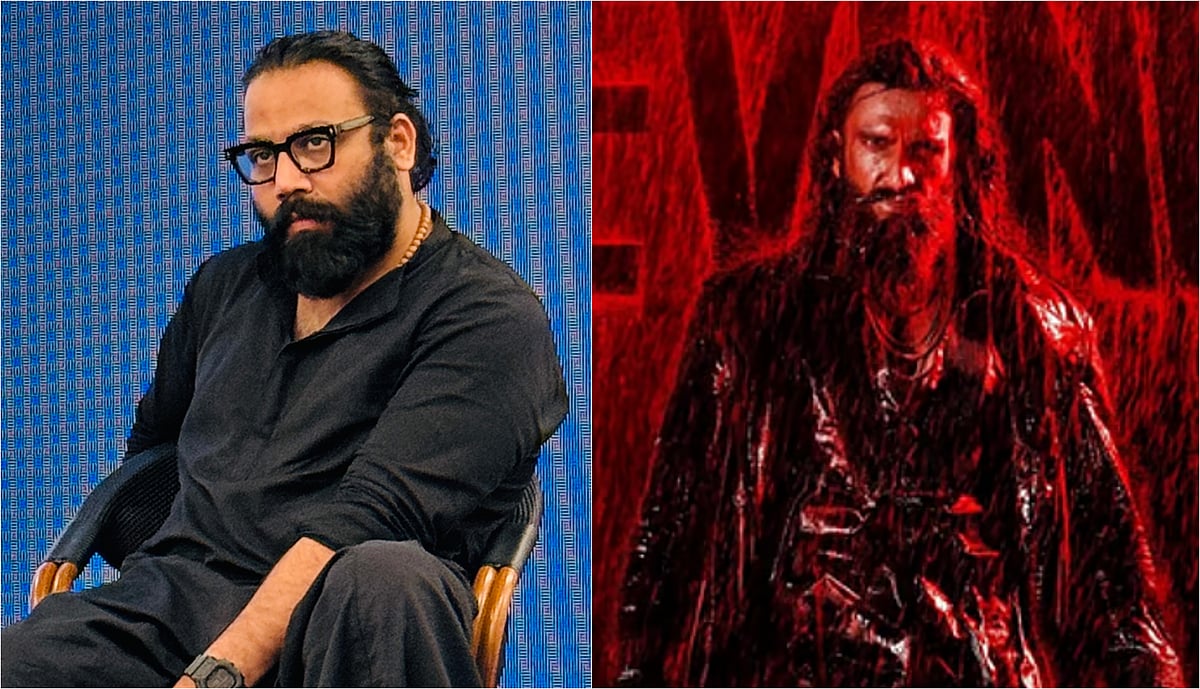
Acclaimed filmmaker Sandeep Reddy Vanga has publicly voiced his support for the recently released “Dhurandhar 2” while simultaneously criticizing what he perceives as industry hypocrisy regarding the film’s reception.
Social media was abuzz on Wednesday when photos circulated showing Vanga watching “Dhurandhar 2” in a theater alongside actor Prabhas, who is set to star in Vanga’s upcoming project “Spirit.” The images quickly gained traction online, generating significant interest from film enthusiasts and industry insiders alike.
Following this public viewing, Vanga took to Twitter on Thursday to share his thoughts on the film. In a concise but pointed statement, he wrote: “Writers & actors built careers on propaganda, and the industry stayed quiet like cats. Now the same clan mock Dhurandhar.”
The director’s comments suggest a growing divide within the film industry regarding “Dhurandhar 2,” with Vanga implying that certain critics of the film have themselves benefited from similar narrative approaches in their own careers. His statement hints at what he perceives as selective criticism and double standards among industry peers.
Vanga, who rose to prominence with his controversial but commercially successful film “Animal,” has developed a reputation for being outspoken about industry politics and unafraid to challenge established norms. His filmmaking style has often polarized critics while connecting strongly with audiences, as evidenced by his films’ box office performances.
The director’s public support for “Dhurandhar 2” comes at a time when the film industry is experiencing heightened scrutiny over content, representation, and the social responsibility of filmmakers. Industry observers note that Vanga’s intervention in the discourse surrounding “Dhurandhar 2” could potentially influence public perception of the film.
Film trade analyst Rahul Sharma commented on the situation: “When a filmmaker of Vanga’s caliber publicly endorses a film, it certainly carries weight. His criticism of the critics creates an interesting dynamic that might actually drive more curious viewers to theaters.”
The controversy highlights the evolving relationship between filmmakers, critics, and audiences in an era where social media allows for immediate and widespread commentary on creative works. The traditional gatekeeping role of film critics has been challenged by directors who can now directly address audiences and defend their work—or the work of others—on public platforms.
Prabhas, one of South Indian cinema’s biggest stars who was seen accompanying Vanga at the screening, has not publicly commented on the matter. The actor’s association with Vanga for their upcoming project “Spirit” has generated significant anticipation among fans, with industry insiders suggesting it could be one of the most ambitious collaborations in recent years.
“Dhurandhar 2” has been the subject of mixed reviews since its release, with some praising its technical achievements and narrative ambition while others have criticized various aspects of its storytelling and themes. The film represents the growing trend of sequel-driven cinema in India, where successful franchises are increasingly becoming central to major studios’ release strategies.
As the discourse around “Dhurandhar 2” continues to evolve, Vanga’s comments have added another layer to the conversation about film criticism, industry politics, and the often complex relationship between commercial success and critical acclaim in contemporary Indian cinema.
Industry watchers will be closely monitoring whether other filmmakers join the conversation, either in support of Vanga’s position or to offer alternative perspectives on the film and its reception.
Fact Checker
Verify the accuracy of this article using The Disinformation Commission analysis and real-time sources.

10 Comments
Interesting perspective from Director Vanga. While creative differences are normal, it’s concerning if there’s a double standard in the industry. Constructive criticism is important, but it should be fair and consistent across films.
I agree, creative expression shouldn’t be stifled by selective outrage. However, filmmakers should also be open to nuanced feedback that goes beyond ideological divides.
Director Vanga makes an interesting point about potential double standards in how films are received. However, it’s important to avoid sweeping generalizations and instead have nuanced discussions grounded in facts, not just perceptions of unfairness.
Agreed. The industry should foster an environment where filmmakers and critics can engage in substantive, objective analysis rather than resorting to partisan attacks. That would lead to more constructive dialogue and growth.
Director Vanga’s comments raise valid points about potential hypocrisy in how films are critiqued. The industry should encourage open, balanced dialogue rather than biased attacks, regardless of a film’s political leanings.
That’s a fair assessment. Healthy debate is important, but it needs to be grounded in objectivity, not just political agendas. Filmmakers and critics alike should strive for constructive, nuanced discussions.
Vanga’s comments highlight the need for balanced, thoughtful critique in the film industry. While he may have a point about selective outrage, making broad claims of ‘propaganda’ requires clear evidence. Constructive dialogue is key, not ideological posturing.
Well said. Filmmaking is a complex art form, and healthy debate should focus on the artistic merits, not just political agendas. Maintaining an open, nuanced approach benefits everyone involved in the creative process.
While I can understand Vanga’s frustration, I’m cautious about claims of ‘propaganda’ without clear evidence. The film industry should welcome diverse perspectives, but criticism should focus on artistic merit, not political allegiances.
That’s a measured take. Accusations of bias can shut down meaningful dialogue. Perhaps both sides could benefit from more openness and willingness to engage with differing viewpoints in good faith.