


Listen to the article
Oscar-Nominated Documentary Reveals Russia’s School Propaganda Machine
Students at Karabash School No 1 in Russia have been forced to watch their Oscar-nominated documentary in secret, relying on bootlegged copies viewed privately on phones and laptops. Despite winning Best Documentary at last week’s BAFTA awards and earning recognition at Sundance last year, “Mr Nobody Against Putin” has been met with deliberate silence by Russian state media, school administrators, and Kremlin officials.
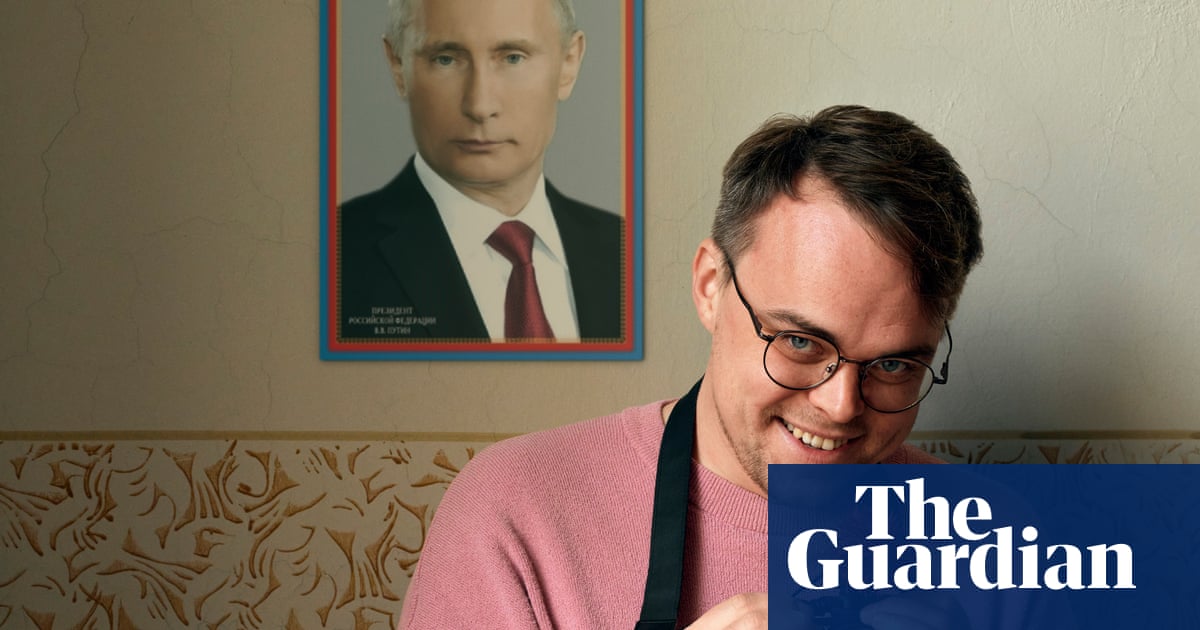
Pavel Talankin, a school teacher who co-directed the documentary and serves as its central figure, hopes the film’s Oscar nomination will increase awareness among Russians. “This film is primarily aimed at Russians, showing them what is happening inside their schools now,” he says.
The documentary provides unprecedented access to Russia’s efforts to indoctrinate primary school children through a government-mandated patriotic education program designed to foster support for President Vladimir Putin and his war against Ukraine. For two-and-a-half years, Talankin, whose job included coordinating and filming school events, documented this mass indoctrination while secretly sending footage to U.S. director David Borenstein.
The footage reveals a stark transformation in the children. Before the war in Ukraine, they sang cheerful songs about sunshine and sky. Months later, they appear confused as teachers deliver government scripts about the Russian army’s objectives in Ukraine, struggling with unfamiliar terms like “denazification” and “demilitarization.”
School activities shift dramatically to include military-style marching drills, visits from Wagner paramilitary representatives teaching mine awareness, and grenade-throwing competitions replacing regular sports. Meanwhile, at home, children watch television programs where Russian soldiers discuss killing Ukrainians “out of love for our own children.”
“The propaganda is very effective,” Talankin told reporters in London following the BAFTA win. “The state spends a lot of money on it; they wouldn’t bother if it didn’t work.”
The documentary highlights a concerning staff meeting where teachers discuss a sharp drop in academic performance. Some wonder if the excessive time devoted to patriotic classes might be responsible. The head teacher acknowledges the problem but admits she would face dismissal if she stopped teaching the required material.
“Putin’s government is doing everything it can to create a generation loyal to his politics,” Talankin explains. “The film highlights not just what is happening now, but how when these children emerge from education, in 10 or 15 years’ time, a new generation of pro-Putin loyalists will have been created.”
In Karabash, a small industrial town in the Urals, residents have passed pirated copies of the film from person to person, reminiscent of how banned literature circulated during the Soviet era. “Parents didn’t really know what was being taught in these classes,” Talankin says. “Some people have written to me with gratitude, others have said we will break your knees next time we see you.”
When local officials discovered the film’s circulation in the town, FSB intelligence officers were dispatched to the school. They reportedly instructed staff: “This person did not exist and does not exist and you must not contact him; this film did not exist and does not exist, and you must make no comment on it.”
Talankin’s involvement with the documentary forced him to flee Russia to avoid arrest under recently updated anti-treason laws that carry potential life imprisonment. After the 2024 school graduation ceremony, he told family and colleagues he was going on vacation to Turkey, packed his recordings, and left the country permanently. He has since secured political asylum in Europe.
“It’s better to talk about problems than be silent about them,” he says of his sacrifice.
At the BAFTA ceremony, Borenstein highlighted Talankin’s extraordinary courage: “He is not Mr Nobody. He wanted to show how quickly totalitarianism can take over a school, a workplace, a government. And how our complicity becomes fuel in that fire.”
“When a treason law threatened him with imprisonment, he kept filming. When a police car started parking outside his house, he kept filming,” Borenstein continued. “No matter who we are, there is always power in our actions. Courage is found in unlikely places. We need more Mr Nobodies.”
The documentary “Mr Nobody Against Putin” is currently available on BBC iPlayer as part of the Storyville series on BBC Four.
Fact Checker
Verify the accuracy of this article using The Disinformation Commission analysis and real-time sources.

6 Comments
This is a disturbing but important story. It’s critical that teachers and journalists can expose propaganda and indoctrination in schools without fear of reprisals. Kudos to Mr. Talankin for bravely documenting these practices.
Agreed. Shining a light on these issues is the first step to addressing them and protecting children from political manipulation.
The Kremlin’s efforts to indoctrinate young minds through the education system are extremely concerning. Propaganda has no place in schools – children should be taught critical thinking, not blind loyalty to the state.
Absolutely. This is a troubling trend we’ve seen in authoritarian regimes around the world. Independent journalism and whistleblowers are essential to exposing these abuses.
This documentary sounds like an eye-opening look at the Russian government’s systematic attempts to brainwash schoolchildren. I hope it receives widespread attention and leads to positive change.
Me too. Children deserve an education focused on facts, not nationalist ideology. Hopefully this Oscar nomination will help bring more awareness to these unethical practices.