


Listen to the article
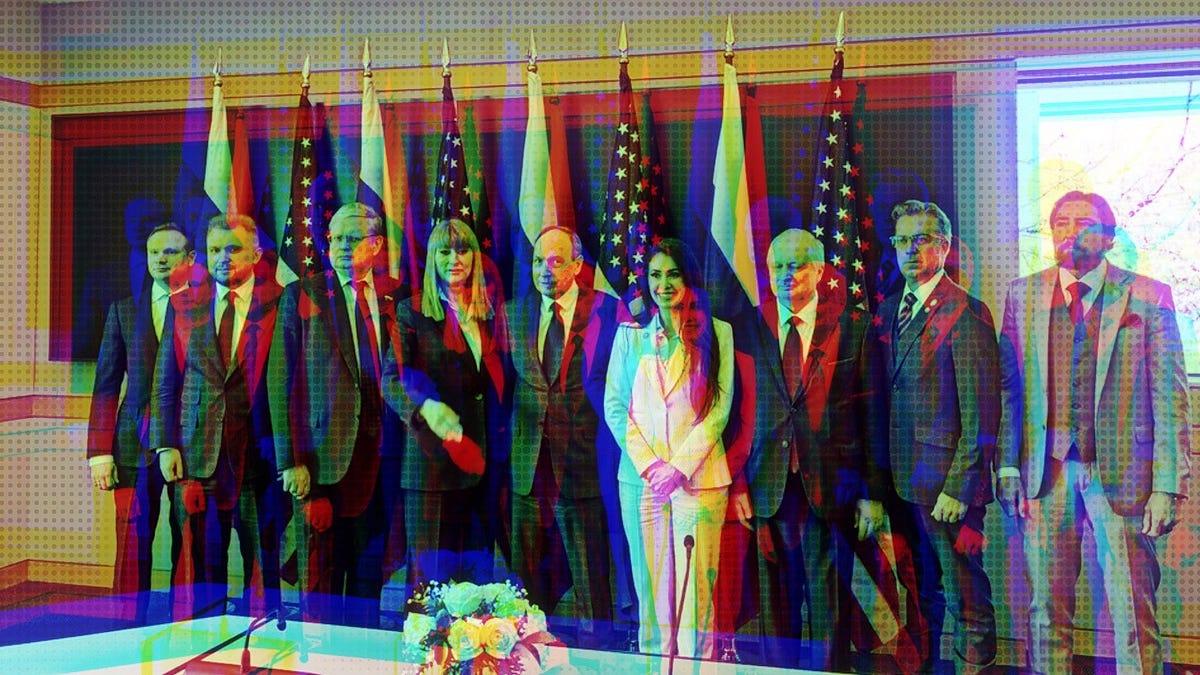
A delegation of sanctioned Russian lawmakers met with five members of Congress this week, triggering a wave of triumphant coverage across Russian state media. The meeting, which was characterized as “historic” in Russian propaganda outlets, has raised concerns about Moscow’s efforts to rehabilitate its international image amid ongoing tensions with the West.
At least a dozen Russian state-controlled media organizations and their associated social media accounts have enthusiastically promoted the talks, framing them as a diplomatic breakthrough and suggesting they signal a potential shift in U.S.-Russia relations. The coverage has emphasized the very fact that Russian officials were permitted to enter the United States for these discussions as a significant political victory.
The meeting was arranged by Republican Representative Anna Paulina Luna, who has emerged as a controversial figure in U.S.-Russia relations. Luna, who represents Florida’s 13th congressional district, has been identified by analysts as maintaining pro-Russian positions on various international issues and appears to function as a significant connection within Russia’s propaganda efforts targeting American audiences.
The Russian delegation’s visit comes at a particularly sensitive time in bilateral relations. Russia remains under extensive international sanctions following its full-scale invasion of Ukraine in February 2022, with many Russian officials, including members of this delegation, personally subject to U.S. sanctions that normally restrict their travel to the United States.
Foreign policy experts note that such meetings provide valuable material for Russian domestic consumption, where state media can present the talks as evidence that Russia is not internationally isolated despite Western sanctions. The coverage often emphasizes themes of Russia’s continued global importance and suggests fractures in Western unity on Ukraine policy.
“This is precisely the kind of propaganda win the Kremlin seeks,” said Dr. Emma Thompson, a specialist in Russian information operations at Georgetown University. “Even a small meeting with a handful of Congress members can be amplified across Russian media to create the impression of diplomatic normalization.”
The congressional participants in the meeting have faced criticism from colleagues on both sides of the aisle. Several lawmakers have expressed concern that engaging with sanctioned Russian officials undermines U.S. foreign policy objectives and sends mixed messages about America’s commitment to supporting Ukraine and holding Russia accountable for its actions.
State Department officials, speaking on condition of anonymity, confirmed that the Russian lawmakers received limited diplomatic visas to attend the meetings, though they emphasized this did not represent a change in official U.S. policy toward Russia. The Department declined to comment on the specific content of the discussions.
Russian state television has featured extensive coverage of the meeting, with programs on Channel One and Russia-24 presenting it as evidence that American political elites are seeking to rebuild relations with Moscow despite public rhetoric to the contrary. These broadcasts typically avoid mentioning Russia’s invasion of Ukraine or the reasons for Western sanctions.
Media analysts point out that this narrative serves multiple purposes in Russian propaganda, including reinforcing President Vladimir Putin’s claim that Russia is too powerful to isolate and suggesting that Western support for Ukraine is crumbling behind the scenes.
The controversy highlights the growing challenge of information warfare between Russia and Western democracies. Russian state media has significantly increased its efforts to influence foreign audiences since the beginning of the Ukraine war, often targeting specific political constituencies in the United States and Europe.
As of publication, Representative Luna’s office had not responded to requests for comment about the meeting’s objectives or outcomes. The identities of the other congressional participants have not been officially confirmed, though Russian media has named several representatives in their coverage.
Fact Checker
Verify the accuracy of this article using The Disinformation Commission analysis and real-time sources.

10 Comments
The Russian media coverage of this meeting seems designed to portray it as a significant diplomatic breakthrough. However, the details and true outcomes remain unclear. I hope the US representatives were able to convey firm messages while also maintaining constructive dialogue, but we must be wary of any attempts at manipulation.
Well said. Navigating these sensitive interactions requires skillful diplomacy and a clear-eyed view of Russia’s motives. Transparency and accountability will be crucial in evaluating the substance and impact of this meeting.
The coverage from Russian state media is concerning and seems intended to portray this as a diplomatic victory. However, the true nature and outcomes of the meeting remain unclear. I hope the US representatives stood firm on key issues and didn’t allow themselves to be used for propaganda purposes.
You make a good point. It’s critical that any interactions with Russian officials, even sanctioned ones, are not leveraged for propaganda. Maintaining clear communication is important, but not at the expense of upholding principles and values.
Interesting that these sanctioned Russian lawmakers were able to meet with US officials. I wonder what the nature of the discussions were and if any progress was made. It’s important to maintain communication, even in tense times, but also be cautious of potential propaganda efforts.
Yes, I share your concern about the possibility of propaganda. It’s crucial to scrutinize the Russian media coverage and understand the true intent and outcomes of these meetings.
This meeting raises a lot of questions. On one hand, diplomacy is important, but on the other, we must be vigilant about Russian attempts to rehabilitate their image amid ongoing tensions. I hope the US lawmakers involved were careful to convey a firm stance on the issues.
Agreed. Any engagement with sanctioned Russian officials should be done with extreme caution and transparency. The American public deserves to know the details of these discussions.
This is a complex situation that warrants close scrutiny. While diplomatic engagement can be valuable, we must be vigilant about Russian efforts to undermine sanctions and rehabilitate their international image. I hope the US lawmakers involved were well-prepared and maintained a firm stance.
I agree, this requires a nuanced approach. Open communication is important, but not at the cost of compromising principles or falling victim to propaganda. Careful diplomacy is needed, but with clear objectives and red lines.