


Listen to the article
Russian propaganda outlets on October 22 briefly circulated and then retracted false claims about capturing territory in Ukraine’s Kherson region, highlighting ongoing information warfare tactics in the Russia-Ukraine conflict.
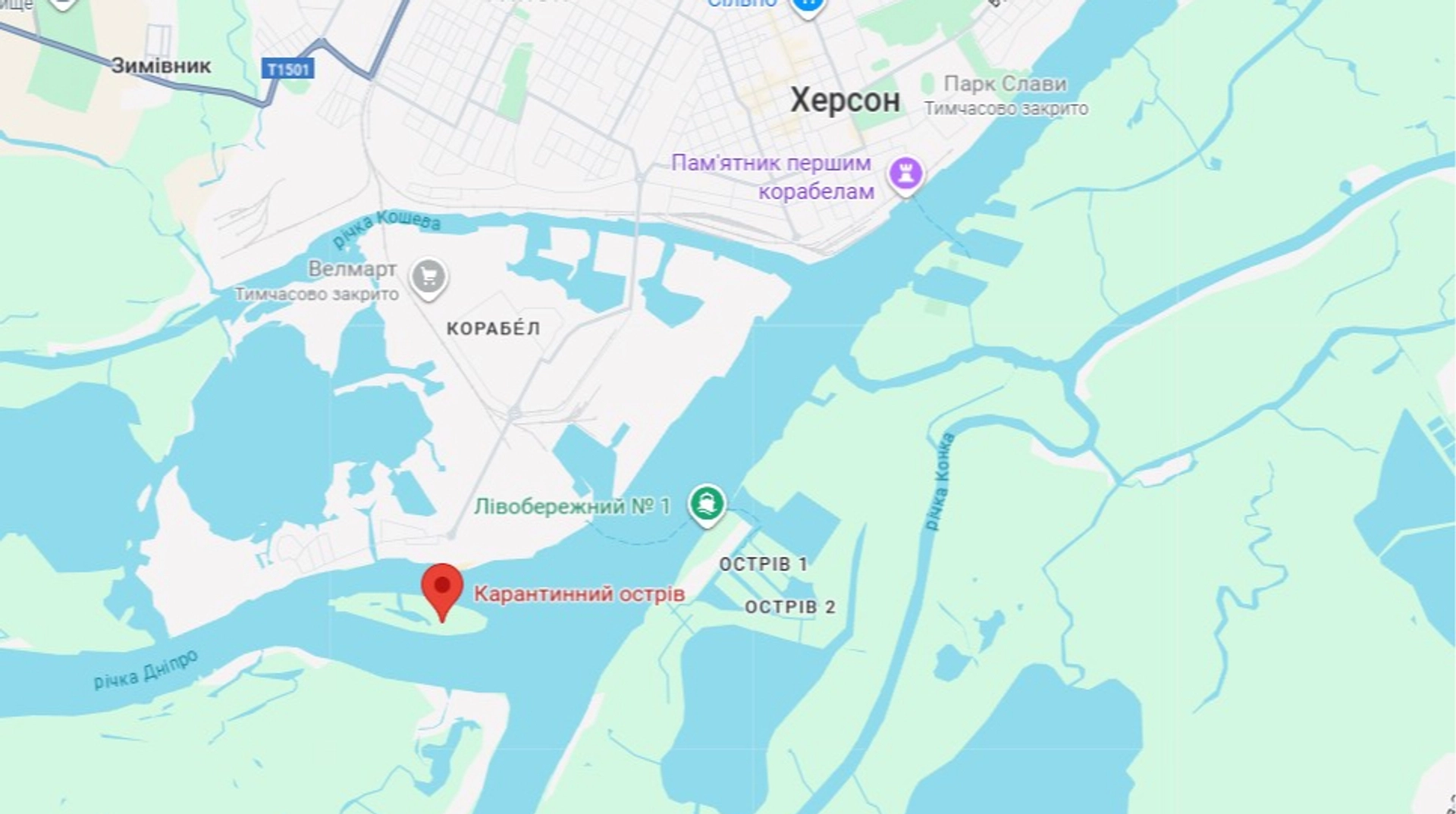
Multiple Russian state media agencies, including TASS, published reports citing the Russian Defense Ministry that claimed Russian forces had “successfully landed” on Karantynnyi Island, a small territory within the city of Kherson. According to these now-deleted reports, Russian troops had allegedly “taken control of key facilities” and “repelled all counterattacks by the Armed Forces of Ukraine.”
The claims were significant as they would have represented a rare Russian advance across the Dnipro River, which has served as a natural dividing line between Ukrainian and Russian forces since Ukrainian troops recaptured Kherson city in November 2022.
Hours after publication, however, all reports were removed from Russian media sites. The outlets noted the deletion was “due to the withdrawal of information by the Russian Ministry of Defense,” suggesting either a strategic communication error or deliberate misinformation.
Ukraine’s southern military command responded firmly to these claims on October 23, dismissing them as propaganda. “In reality, calm prevails in the area of Karantynnyi Island and the village of Sadove, and there are no enemy forces there,” the Defense Forces of Ukraine’s South stated in their operational update.
Karantynnyi Island, visible on satellite imagery as a small landmass within the Dnipro River complex near Kherson city, would represent a strategically valuable position if captured. Control of islands and shoreline positions along the Dnipro has been fiercely contested since Ukrainian forces pushed Russian troops east of the river during their 2022 counteroffensive.
Military analysts note this incident fits a pattern of Russian information operations aimed at creating false impressions of battlefield momentum. Similar fabricated claims of advances have appeared periodically throughout the conflict, often timed to coincide with political developments or to distract from setbacks elsewhere along the front.
The incident also underscores the increasingly sophisticated verification processes employed by international observers monitoring the conflict. Open-source intelligence analysts quickly identified the inconsistencies in Russian reporting before official Ukrainian denial was issued.
For civilians in Kherson region, which continues to endure daily artillery strikes from Russian positions across the river, such propaganda creates additional psychological pressure. Local Ukrainian authorities have repeatedly warned residents about Russian disinformation campaigns designed to create panic or undermine morale.
The southern front, including Kherson region, remains one of the most active areas of the conflict. Ukrainian forces maintain defensive positions along the right (western) bank of the Dnipro, while conducting limited operations on the Russian-occupied eastern bank.
This is not the first time Russian media has prematurely or falsely announced territorial gains. Similar incidents occurred during fighting in Donetsk region earlier this year, when claims about capturing settlements had to be retracted after being proven false.
As the conflict approaches its third year, the information domain remains nearly as contested as the physical battlefield, with both sides recognizing the strategic importance of shaping domestic and international perceptions of the war’s progress.
Fact Checker
Verify the accuracy of this article using The Disinformation Commission analysis and real-time sources.

9 Comments
This highlights the ongoing information warfare tactics being used in the Russia-Ukraine conflict. It’s important to be vigilant about verifying claims from Russian state media, as they seem willing to publish false or misleading information.
The swift retraction of these reports suggests the Russian military may have realized the claims were too far-fetched to maintain. It’ll be interesting to see if they try to spin this in any other way going forward.
I’m curious to know what prompted the initial decision to publish these false claims in the first place. Was it an attempt to boost morale, or did they genuinely believe their own propaganda? Either way, it’s a concerning development.
I wonder what the strategic rationale was behind these initial reports – were they trying to boost morale, or did they genuinely believe they had made gains? The swift retraction suggests it was likely just propaganda rather than an accurate reflection of the situation on the ground.
Retraction of false claims about military achievements is a concerning sign. It demonstrates the lengths Russia will go to in terms of information warfare and spreading disinformation, even when the facts don’t align with their narrative.
Absolutely. This underscores the need for rigorous fact-checking and reliance on trusted, independent sources when it comes to reporting on the Russia-Ukraine conflict.
Interesting to see Russian state media retract these claims so quickly. Seems like they got ahead of themselves on reporting any advances in Kherson. We’ll have to keep an eye on how this evolves in the coming days.
This incident illustrates the challenges in verifying information during an ongoing conflict. It’s a good reminder to be cautious about taking any claims at face value, especially from state-controlled media outlets.
This episode highlights the ongoing information war being waged alongside the physical conflict in Ukraine. It’s a reminder that we must be vigilant in verifying claims from any side of this conflict.