


Listen to the article
Russian propaganda network Matryoshka has launched a sophisticated disinformation campaign targeting Ukrainian athletes at the Winter Olympics in Milan and Cortina, according to an investigation by BBC Verify.
The network is employing artificial intelligence to create convincing deepfake videos that misrepresent Ukrainian Olympians and Olympic officials, marking an evolution in Russia’s ongoing information warfare tactics during the international sporting event.
BBC fact-checkers discovered videos where legitimate footage of Olympic officials was manipulated, with their authentic voices replaced by AI-generated clones making false and inflammatory statements about Ukrainian athletes.
In one examined video, viewers initially see a genuine press conference featuring International Olympic Committee President Kirsty Coventry that was originally broadcast on Euronews. However, after the opening seconds, Coventry’s actual voice is replaced by an AI-generated simulation that creates the false impression she is criticizing Ukrainian athletes.
The manipulated content portrays Coventry claiming Ukrainian athletes came to Milan “for crazy political PR,” were behaving aggressively, and that she had “never encountered people this irritating, I swear.” BBC Verify confirmed that the original footage shows Coventry made no such statements.
Darren Linvill, a disinformation expert at Clemson University, explained the sophisticated nature of the deception: “They take a real video of a real person but part-way through they switch to stock footage overlaid with a deepfake narration that sounds just like the real person so that they can insert absurd lies that appear more authentic.”
This campaign extends beyond targeting Olympic officials. BBC Verify identified similar tactics being used to discredit Ukrainian athletes by creating fake commentary attributed to American commentators covering the Winter Games. Canadian broadcaster CBC has also reported discovering an AI-generated video featuring one of its journalists.
The Matryoshka network has previously been identified by security researchers as a pro-Russian disinformation operation that spreads anti-Ukrainian content across multiple platforms. According to Pablo Maristany from the Institute of Strategic Dialogue, what distinguishes this particular campaign is “the use of AI voiceovers to impersonate the voices of trusted figures.”
The targeting of Olympic athletes represents an expansion of Russia’s information warfare into the sports arena. Since the full-scale invasion of Ukraine in 2022, Russian athletes have faced restrictions in international competitions, including competing under neutral status without national symbols at the Olympics.
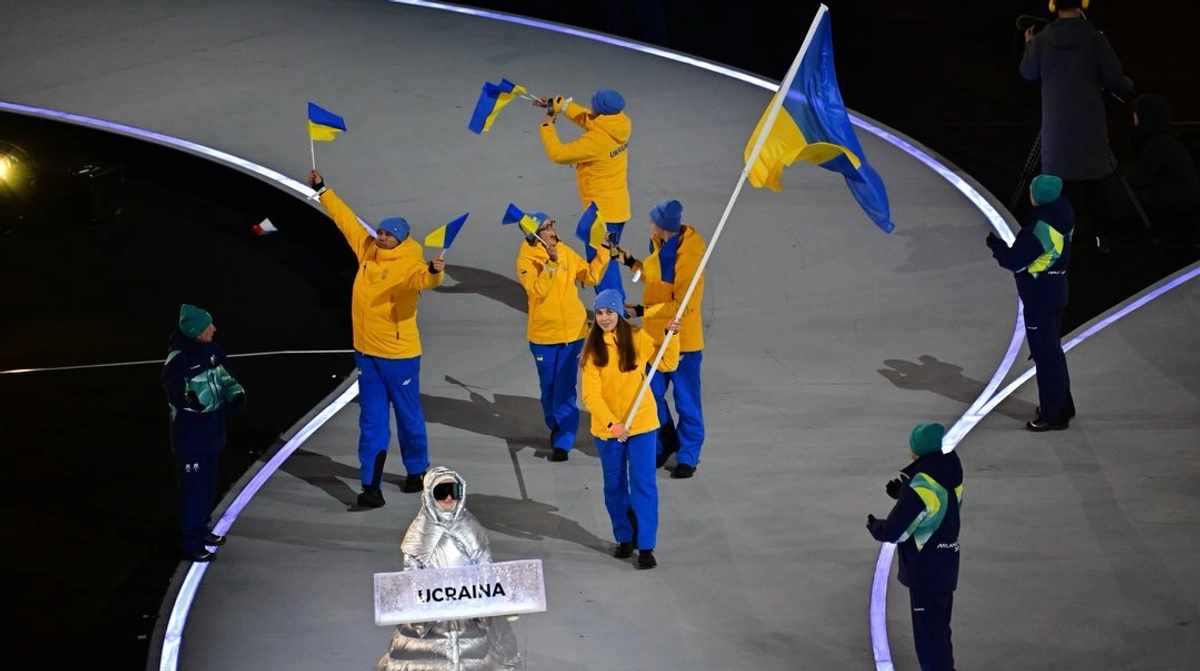
This disinformation campaign comes as Ukrainian athletes continue to compete despite the ongoing war in their homeland. Many Ukrainian Olympic facilities have been damaged or destroyed in Russian attacks, and numerous athletes and coaches have been killed in the conflict. Despite these challenges, Ukraine sent a delegation to the Winter Olympics, with their participation serving as a symbol of national resilience.
The discovery of these AI-generated videos highlights the evolving challenges of combating disinformation in the age of artificial intelligence. Social media platforms and news organizations face increasing difficulty in quickly identifying and removing sophisticated deepfakes that can spread rapidly before being debunked.
The International Olympic Committee has not yet issued an official statement regarding these specific disinformation attempts, though the organization has previously condemned attempts to politicize the Olympic Games.
Fact Checker
Verify the accuracy of this article using The Disinformation Commission analysis and real-time sources.

12 Comments
While I’m not surprised by Russia’s continued use of propaganda tactics, the deployment of AI-powered deepfakes is a troubling escalation. I hope the international community can work together to quickly identify and debunk these manipulated videos before they can do further damage.
Absolutely. Proactive detection and rapid response will be key to limiting the spread and impact of these deceptive AI-generated materials.
This is a concerning trend, but not entirely surprising given Russia’s history of disinformation campaigns. I hope the international community can work together to expose and counter these tactics ahead of future major events.
I agree. Increased coordination and information-sharing between governments, tech companies, and fact-checkers will be critical to staying ahead of evolving propaganda techniques.
This is quite concerning. Using AI to create deepfakes and manipulate real footage is a dangerous escalation of propaganda tactics. It’s critical that the public is made aware of these deceptive practices to avoid being misled.
Absolutely. Fact-checking and media literacy are so important to combat the spread of disinformation, especially when it involves sophisticated AI technology.
This is a disturbing development in the broader information warfare being waged around the Ukraine conflict. It’s critical that media outlets and fact-checkers remain vigilant in verifying the authenticity of any content, especially involving high-profile events like the Olympics.
Agreed. Maintaining public trust in authoritative sources of information will be crucial in the face of these types of sophisticated disinformation efforts.
As an avid Olympic fan, I’m deeply troubled by this blatant attempt to undermine the integrity of the Games. Manipulating footage to discredit Ukrainian athletes is a new low, even for Russian propaganda efforts.
Well said. The Olympics should be a celebration of sportsmanship and fair competition, not a stage for political smear campaigns. I hope the IOC takes strong action to address this issue.
I’m curious to learn more about the specific tactics and technology used by this Russian propaganda network. How are they able to so convincingly alter the original footage and audio?
That’s a great question. The article mentions they are using advanced AI to generate cloned voices and manipulate the visuals. It would be fascinating to understand the technical details behind this capability.