


Listen to the article
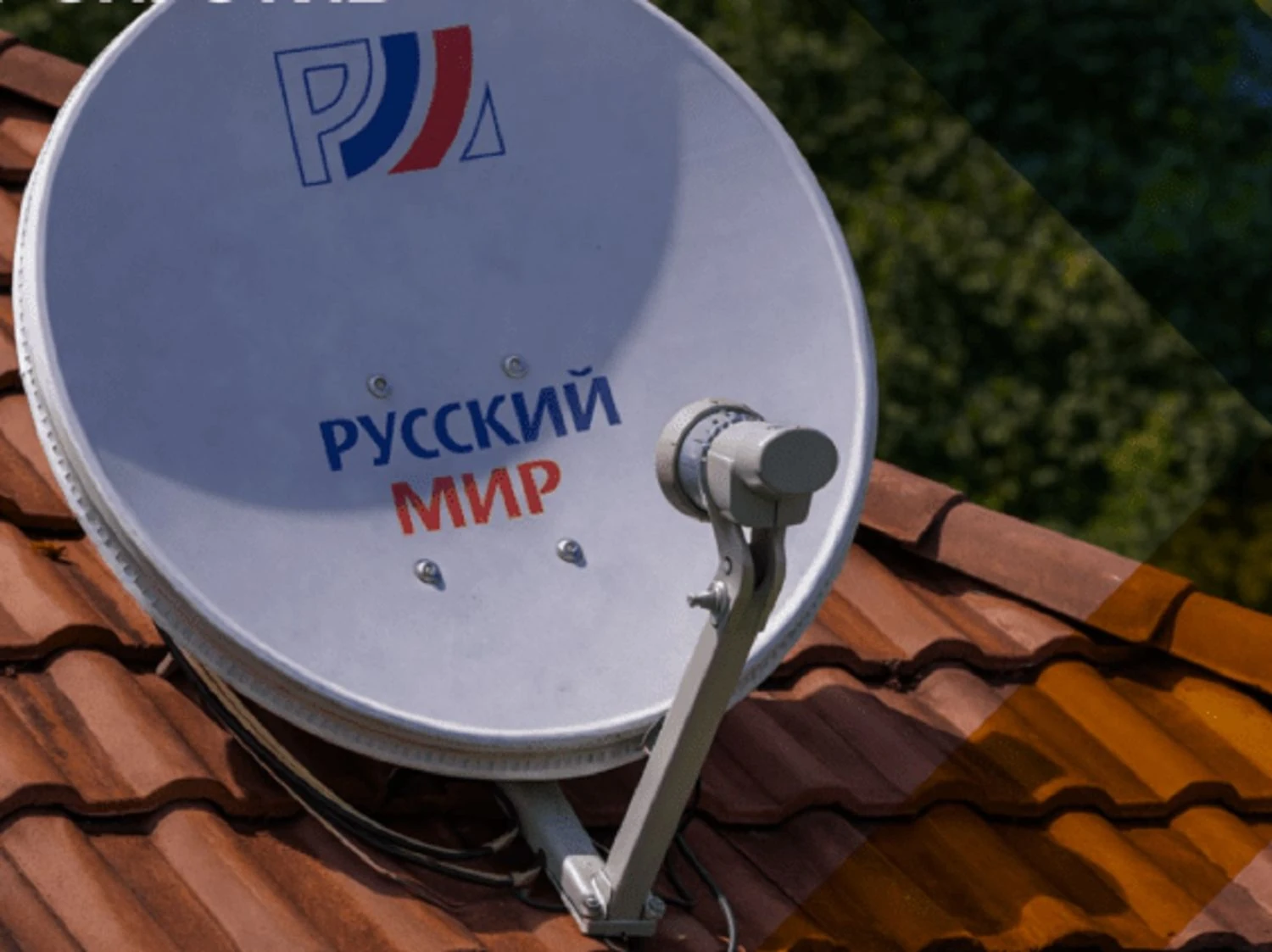
Russian occupation authorities are struggling to maintain their information blockade in Ukraine’s temporarily occupied territories as their “Russian World” satellite television project faces widespread technical failures, according to a recent report from the Center for National Resistance (CNR) of the Special Operations Forces of Ukraine’s Armed Forces.
Despite distributing free satellite equipment to residents in an attempt to replace Ukrainian media content with Russian propaganda, the system has been plagued by persistent signal problems and technical malfunctions. The CNR report indicates that the Russian-backed project has effectively collapsed.
“While people are advised to independently look for other broadcasting sources, the project administration demands to ‘wait for restoration,’ trying to maintain control over the information space,” the CNR statement explains. This represents yet another failed attempt by occupation authorities to completely block access to alternative information sources in the regions under their control.
The situation highlights Russia’s ongoing efforts to establish an information monopoly in occupied Ukrainian territories. In the Kherson region, which has been under Russian occupation since early in the full-scale invasion, authorities have been systematically confiscating Ukrainian satellite dishes as part of a broader information blockade strategy.
Local residents report they have been without reliable television signals for more than six months. According to multiple accounts, occupation authorities actively prevent any attempts to restore Ukrainian broadcasting, leaving many communities isolated from independent news sources.
Media experts note that information control has been a crucial component of Russia’s occupation strategy since 2014, when it first annexed Crimea and supported separatist movements in eastern Ukraine. The “Russian World” satellite TV initiative represents one of the most ambitious attempts to reshape the media landscape in newly occupied territories following the 2022 invasion.
“Information dominance is considered critical by Russian occupation authorities,” explains Dr. Mykhailo Honchar, a Ukrainian security analyst. “By controlling what people see and hear, they aim to normalize the occupation and weaken resistance. The technical failure of their satellite system represents a significant setback in these efforts.”
The CNR report comes amid increasing challenges for Russian information control tactics. In Russia itself, authorities recently accelerated their blocking of Telegram, a popular messaging platform, earlier than initially planned. This suggests growing concerns about information security within both Russian territory and occupied regions.
Ukrainian intelligence sources indicate that residents in occupied areas are increasingly finding ways to circumvent Russian information restrictions. Many have turned to VPN services, encrypted messaging platforms, and clandestine satellite connections to access Ukrainian news sources, despite the risks associated with such activities.
The collapse of the “Russian World” satellite system may force occupation authorities to adopt new tactics. Security analysts anticipate that Russian administrators might intensify door-to-door searches for unauthorized communication equipment or increase penalties for accessing Ukrainian media.
For Ukrainian authorities, the technical failures represent an opportunity to counter Russian narratives in occupied territories. Ukrainian broadcasters have been exploring alternative methods to reach residents in these regions, including strengthened radio signals and digital initiatives that can bypass conventional blocking methods.
As the information struggle continues, both Ukrainian officials and international observers emphasize that access to accurate information remains a fundamental human right – one that occupation authorities continue to violate through their attempts at establishing an information blockade.
The situation underscores the broader challenge of information warfare in modern conflicts, where controlling the media narrative often proves as strategically important as traditional military operations.
Fact Checker
Verify the accuracy of this article using The Disinformation Commission analysis and real-time sources.

12 Comments
It’s heartening to see the Russian propaganda network facing such technical challenges and struggles in the occupied territories. This suggests the people there are finding ways to resist the information blockade.
Absolutely. The collapse of the satellite TV project is a small but significant victory for the Ukrainian resistance and their efforts to maintain access to uncensored information.
This collapse of the Russian satellite TV project highlights the resilience of the Ukrainian people in the face of the Kremlin’s efforts to impose its narrative. Maintaining access to alternative information sources is crucial.
Absolutely. Ukrainians seem determined to resist the Russian occupation in any way they can, including by seeking out uncensored news and information.
The collapse of the Russian satellite TV project in occupied Ukraine is a positive development, as it shows the struggle the occupying forces face in maintaining their information monopoly. Ukrainians’ ability to access independent news is crucial.
The technical issues plaguing the Russian propaganda network are a telling sign of the challenges they face in sustaining their information control. It’s a positive development for the people living under occupation.
Yes, it’s a small but meaningful victory for the resistance efforts in Ukraine. The collapse of the satellite TV project is a blow to Russia’s attempts to tighten its grip on the occupied territories.
The reported issues with the Russian propaganda network in occupied Ukraine are a testament to the resilience of the Ukrainian people. Their determination to seek out alternative sources of information is admirable.
This report underscores how difficult it is for Russia to fully censor information and impose its narrative in the occupied regions. The resilience of the Ukrainian people in seeking out alternative sources is admirable.
The struggle to maintain the ‘Russian World’ propaganda project in occupied Ukraine is a clear sign of the cracks in Russia’s control. Ukrainians’ determination to access independent information is inspiring.
This report highlights the ongoing battle for information control in the occupied territories. While Russia is trying to tighten its grip, the technical failures of its propaganda network suggest the people there are finding ways to resist.
Interesting to see the Russian propaganda machine struggle to maintain control over the information space in occupied Ukraine. Cutting off access to independent media sources must be a real challenge for the occupying forces.