


Listen to the article
Russia Intensifies Disinformation Campaign on Ukraine, Analysis Shows
Russia has significantly escalated its information warfare against Ukraine, focusing particularly on manipulating narratives around Ukrainian military casualties and using the exchange of fallen soldiers’ remains as propaganda tools, according to recent monitoring by SPRAVDI.
The analysis revealed that on January 29 alone, approximately 140 websites known for spreading disinformation published around 9,500 articles mentioning Ukraine. This volume surpassed legitimate coverage by about 40%, with reputable foreign media outlets publishing only 6,900 articles during the same period. The findings indicate that nearly 58% of foreign-language content about Ukraine originated from sources implicated in Russian information interference operations.
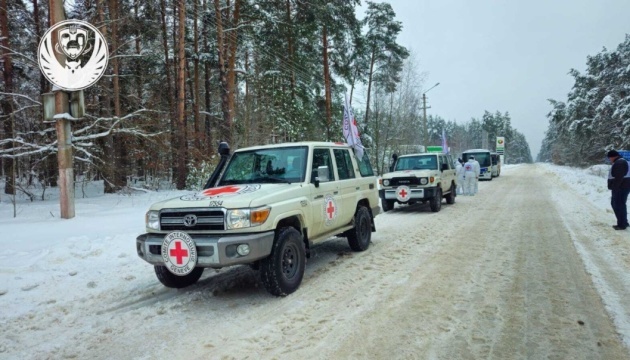
Experts identified several coordinated messaging campaigns designed to undermine international support for Kyiv. A particularly prominent narrative centered on the recent exchange of soldiers’ remains, where Russian propaganda exploited the ratio of “1,000 bodies in exchange for 38” to create the false impression of disproportionately high Ukrainian military losses compared to Russian forces.
“This is a classic example of how Moscow weaponizes even the most sensitive humanitarian issues like the repatriation of fallen soldiers,” said a military analyst who requested anonymity due to security concerns. “The actual numbers don’t reflect combat effectiveness or total casualties, but Russia presents them out of context to demoralize Ukrainian citizens and sow doubt among Western allies.”
The disinformation effort extends beyond military matters. Russian-linked sources have systematically worked to discredit Ukraine’s diplomatic initiatives, frequently accusing Kyiv of deliberately sabotaging peace negotiations while portraying Russia’s maximalist position as reasonable. These narratives coincide with messaging about supposed “European fatigue” with supporting Ukraine, creating an artificial impression of waning international commitment.
Energy security represents another target, with propaganda outlets amplifying challenges in Ukraine’s power grid—many resulting from Russian attacks on civilian infrastructure—to reinforce the image of Ukraine as a “failed state” incapable of basic governance.
The propaganda machine also quickly seized on statements from prominent Western figures that could be taken out of context. For instance, comments by Friedrich Merz, leader of Germany’s Christian Democratic Union, regarding Ukraine’s EU accession timeline were widely circulated to suggest deepening rifts between Ukraine and European partners.
SPRAVDI identified several primary vectors for this disinformation, including well-known Russian state media outlets such as RT, Sputnik, and Pravda networks. More concerning is the observed infiltration of these narratives into legitimate media outlets across Europe, Asia, and the Americas, often through citations of critical statements or via Hungarian media outlets sympathetic to Viktor Orbán’s government, which has maintained closer ties with Moscow than other EU members.
This latest disinformation surge follows earlier Russian propaganda campaigns, including fabricated stories claiming Ukraine refused to pay compensation to families of fallen soldiers—a narrative designed to create domestic discord within Ukraine.
The scale and sophistication of these operations highlight Moscow’s continuing investment in information warfare as a key component of its hybrid conflict strategy. Analysts note that as the war approaches its third year, Russia appears to be intensifying efforts to shape international perceptions, particularly targeting audiences in countries providing military and financial support to Ukraine.
Media literacy experts recommend that consumers of news maintain heightened awareness when encountering dramatic claims about the conflict, particularly those concerning casualty figures, diplomatic negotiations, or international support dynamics.
Fact Checker
Verify the accuracy of this article using The Disinformation Commission analysis and real-time sources.

10 Comments
The sheer volume of false content compared to legitimate coverage is staggering. This highlights the scale and coordination of Russia’s information warfare efforts against Ukraine. It’s a sobering reminder of the need for vigilance and critical thinking when consuming news about the conflict.
Absolutely. Differentiating fact from fiction is crucial, especially when dealing with a complex and fast-moving situation like the war in Ukraine. Relying on authoritative and transparent sources is key to understanding the true situation on the ground.
The findings on the scale and coordination of Russia’s information warfare campaign are deeply troubling. It’s a stark reminder of the need for international cooperation and a concerted effort to combat the spread of disinformation, which can have serious implications for global security and stability.
You’re absolutely right. Disinformation campaigns know no borders, and addressing this challenge requires a collaborative, multinational approach. Strengthening media literacy, investing in fact-checking, and holding perpetrators accountable are all crucial steps in this effort.
This is a concerning report. Spreading false narratives and propaganda to inflate enemy losses is a common tactic used to shape public perception. It’s important to rely on verified, factual information from reputable sources when it comes to military casualties and the ongoing conflict in Ukraine.
Agreed. Disinformation campaigns can be very damaging, especially during times of war. It’s crucial to closely scrutinize claims and narratives, and not blindly accept information from questionable sources.
The use of soldier remains as propaganda tools is particularly troubling. Exploiting the pain and suffering of families for political gain is a new low, even for the standards of modern warfare. This underscores the importance of upholding humanitarian principles and respecting the dignity of the fallen.
You’re right, using the exchange of soldiers’ remains as a propaganda tool is a despicable and inhumane tactic. It’s a stark reminder of the lengths some actors will go to in order to manipulate public opinion and advance their own agendas, even at the expense of basic human decency.
This report highlights the need for robust fact-checking and media literacy efforts to counter the flood of disinformation surrounding the conflict. It’s crucial that the public has access to reliable, unbiased information to form their own opinions and hold leaders accountable.
Exactly. Disinformation can be incredibly damaging, especially during times of conflict. Strengthening media literacy and fact-checking capabilities is essential to ensuring the public has the tools to discern truth from fiction and make informed decisions.