


Listen to the article
Ukrainian Strike on Russian Microchip Plant Exposes Kremlin Propaganda Divisions
Ukraine’s March 10 missile strike on the Kremniy El microchip manufacturing facility in Bryansk has sparked a significant divide between Russian state media and pro-war commentators, according to a recent Institute for the Study of War (ISW) assessment.
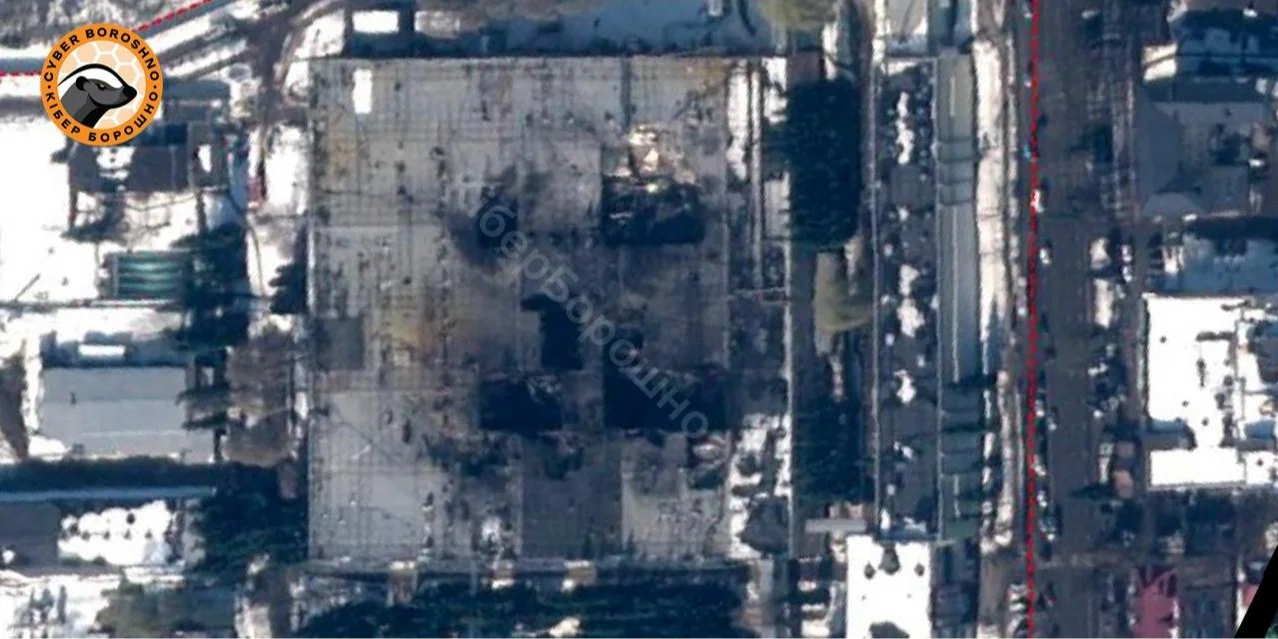
The Ukrainian General Staff confirmed the attack was carried out using British-supplied Storm Shadow cruise missiles, causing extensive damage to the facility’s production capabilities. Satellite imagery analyzed by Ukrainian OSINT channel CyberBoroshno verified that five missiles struck Building No. 4, with analysts concluding that “given the scale of the damage, restoring the workshop without full reconstruction is unlikely, which effectively means the facility has been put out of operation.”
Military observers noted a significant tactical innovation in the strike. Ukraine’s 413th Separate Unmanned Systems Battalion reported this marked the first time Ukrainian forces had targeted a strategic Russian defense-industrial facility while using a drone to direct missile strikes in real time, allowing for precision with minimal munitions expenditure.
The Kremniy El plant holds strategic importance for Russia’s defense sector, ranking “second in Russia in the production of microelectronics for the Russian Defense Ministry.” The facility supplied critical components to Almaz-Antey, which manufactures air defense systems, and to the Tactical Missiles Corporation, producer of cruise missiles including the Kh-59, Kh-69, Kh-101, and Kh-555 – weapons regularly used in attacks against Ukrainian targets.
Following the strike, the Kremlin launched a coordinated effort to downplay its significance. Russia’s Foreign Ministry characterized the attack as targeting civilians and claimed Ukraine could not execute such operations without intelligence sharing from the UK and NATO allies. The ministry framed the incident as a Western attempt to undermine potential peace negotiations between Russia, Ukraine, and the United States.
Kremlin spokesperson Dmitry Peskov, Foreign Ministry spokeswoman Maria Zakharova, and numerous Russian officials reinforced these narratives. According to ISW analysis, these accusations appear calculated to minimize Ukraine’s long-range strike capabilities while deflecting attention from Russia’s unwillingness to engage meaningfully in the peace process.
However, these propaganda efforts provoked unexpected backlash from Russian ultranationalist military bloggers and pro-war social media channels. These voices openly rejected state media’s contradictory messaging and criticized Russia’s Defense Ministry for failing to protect what they described as one of the country’s most crucial defense-industrial facilities.
Several prominent military commentators highlighted weaknesses in Russia’s air defense and electronic warfare capabilities, questioning how many Ukrainian missiles Russia had actually managed to intercept. ISW interprets these comments as criticism of Russian authorities for lacking transparency about both the strike and the effectiveness of Russian defensive measures.
Pro-war channels emphasized the plant’s critical role in producing high-frequency transistors essential for military communications systems, along with components used in Russia’s intercontinental ballistic missile systems including Yars, Bulava, and Topol-M. Some commentators expressed concern about replacing specialized personnel reportedly killed in the attack.
The incident has exposed broader vulnerabilities in Russia’s defense industrial base, with military bloggers lamenting shortages of Russian missiles, inadequate electronic warfare capabilities, and difficulties restoring damaged air defense systems due to international sanctions.
This strike represents a significant escalation in Ukraine’s campaign against Russia’s military-industrial complex and demonstrates growing capabilities to conduct precision strikes deep within Russian territory, potentially hampering Moscow’s ability to sustain its military operations against Ukraine.
Fact Checker
Verify the accuracy of this article using The Disinformation Commission analysis and real-time sources.

16 Comments
This incident underscores the complexity and unpredictability of the conflict in Ukraine. The divergent reactions from Russian media and military bloggers highlight the challenges the Kremlin faces in maintaining a unified narrative.
Ukraine’s ability to conduct precision strikes on strategic targets like this microchip plant could have significant long-term implications for the war. It will be crucial to monitor how Russia adapts its defenses in response.
The tactical innovation of using drones to direct missile strikes in real-time is an impressive development. It suggests Ukraine is continuously evolving its military capabilities to gain an edge over Russian forces.
The damage to the Kremniy El plant’s production capabilities is likely to have broader implications for Russia’s defense and industrial sectors. This strike could be a significant setback for their technological and manufacturing capacities.
The strategic importance of the Kremniy El plant and its role in Russia’s defense-industrial complex is intriguing. This attack suggests Ukraine is targeting critical infrastructure to undermine Russia’s military and technological capabilities.
The use of British-supplied Storm Shadow missiles is noteworthy and highlights the growing international support and coordination in Ukraine’s efforts to defend its sovereignty against Russian aggression.
The divide within the Russian propaganda machine over this incident is intriguing. It highlights the challenges the Kremlin faces in maintaining a cohesive narrative as the war progresses and Ukraine demonstrates its growing military prowess.
The use of British-supplied Storm Shadow missiles in this attack is noteworthy. It suggests increasing international coordination and support for Ukraine’s efforts to defend its sovereignty against Russian aggression.
The divide between Russian state media and pro-war commentators over this incident is intriguing. It suggests cracks in the Kremlin’s propaganda machine and differing views on the war’s progress.
This strike seems to have dealt a significant blow to Russia’s microchip production capabilities, which could impact their military and industrial output. It will be interesting to see how they respond.
I’m curious to know more about the strategic importance of the Kremniy El plant and why Ukraine chose to target it. What vulnerabilities does this expose in Russia’s defense-industrial complex?
The use of British-supplied Storm Shadow missiles is also noteworthy. This suggests growing international support and coordination in Ukraine’s efforts to counter Russian aggression.
This strike on the Kremniy El plant seems to have dealt a significant blow to Russia’s microchip production capabilities. The tactical innovation of using drones to direct missile strikes in real-time is an impressive development.
The divergent reactions from Russian media and military bloggers underscore the complexities and challenges the Kremlin faces in maintaining a unified narrative as the war in Ukraine continues to evolve.
This attack on the microchip plant highlights the growing sophistication of Ukraine’s military capabilities. Targeting critical defense infrastructure with precision strikes is a significant escalation.
Using drones to direct missile strikes in real-time is an impressive tactical innovation. It demonstrates Ukraine’s ability to adapt and evolve its military strategies.