


Listen to the article
Russia’s Intelligence Service Calls Ecumenical Patriarch “Devil in the Flesh” in Extraordinary Statement
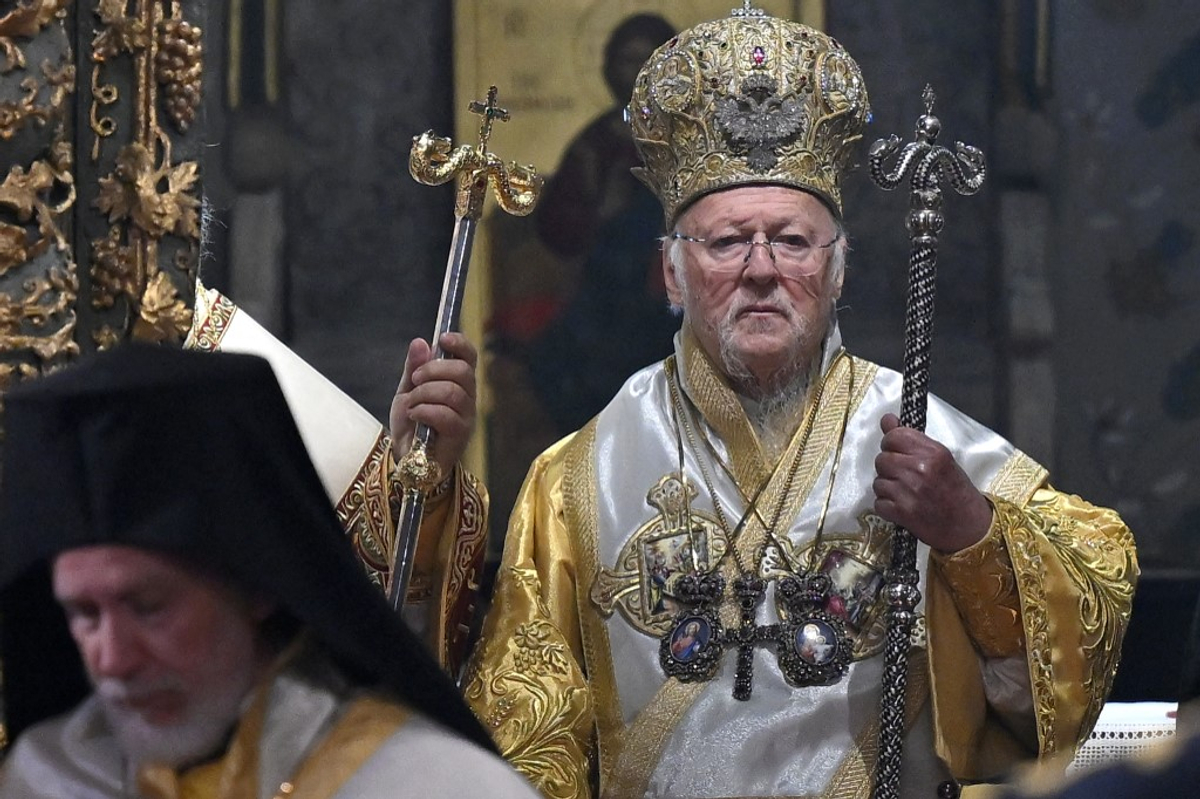
Russia’s Foreign Intelligence Service (SVR) has issued a remarkably hostile official statement against Ecumenical Patriarch Bartholomew of Constantinople, abandoning traditional intelligence terminology in favor of theological condemnation. The January 12 press release represents one of the most extreme public statements from a Russian intelligence agency in the post-Soviet era.
In the statement, the SVR accused Patriarch Bartholomew of working deliberately to dismantle Russian influence throughout the Orthodox world, claiming he has “turned his dark gaze on the Baltic states” after having “‘dismembered’ Orthodox Ukraine.” The intelligence agency went so far as to call the Ecumenical Patriarch a “devil in the flesh” who is collaborating with “local nationalists and neo-Nazis” to push Russian Orthodoxy out of Estonia, Latvia, and Lithuania.
The rhetoric employed by Russia’s premier foreign intelligence service—the institutional successor to the Soviet KGB—suggests profound insecurity rather than confidence, as it frames religious developments in starkly geopolitical terms. Moscow continues to view the 2018 independence granted to Ukraine’s Orthodox Church not as a legitimate religious choice made by Ukrainians but as a hostile act aimed directly at Russian interests.
The SVR statement follows familiar patterns in Kremlin conspiracy narratives by implicating British intelligence services, claiming they actively support Patriarch Bartholomew while “stoking Russophobic sentiment across Europe.” The intelligence agency described the Patriarch as “mired in the mortal sin of schism” and labeled him the “Constantinopolitan Antichrist.”
According to the SVR, the Ecumenical Patriarch’s alleged campaign extends beyond the Baltics into Central and Eastern Europe. The agency expressed particular concern about Montenegro, where it claims Bartholomew intends to grant autocephaly (independence) to the unrecognized Montenegrin Orthodox Church—a move Russia perceives as threatening its relationship with the Serbian Orthodox Church, one of Moscow’s few remaining reliable partners in the region.
The Ecumenical Patriarchate of Constantinople, which holds the status of “first among equals” in Orthodox Christianity as the mother church from which most Eastern Orthodox branches originated, has dismissed the accusations. In its response, the Patriarchate stated it would not be deterred from its mission by “imaginative scenarios, fake news, insults, and fabricated information” from Russia.
The controversy highlights the Kremlin’s fundamental approach to religion as an instrument of state power rather than a spiritual community. The Russian Orthodox Church (ROC) has long functioned as an extension of Russian influence abroad and a source of soft power. Current Russian Patriarch Kirill, who according to Swiss reporting was allegedly a KGB agent in the 1970s, has consistently aligned with state policies and promoted Russia as the world’s defender of traditional Christian values against a supposedly decadent West.
This church-state relationship serves the Kremlin’s broader narrative positioning Russia as a bulwark against Western “gender ideologies” and “satanism.” Russian national celebrations regularly blend military and religious themes, reinforcing the subordination of religious institutions to state interests.
The SVR’s unusually theological language comes against the backdrop of continued religious persecution in Russian-occupied areas of Ukraine. Ukrainian government data indicates more than 600 religious sites have been damaged and dozens of clergymen killed since Russia’s full-scale invasion began. Despite this, Ukrainians remain committed to both political and spiritual independence from Moscow.
The 2018 decision by Patriarch Bartholomew to grant autocephaly to the Orthodox Church of Ukraine triggered the current schism, with the Russian Orthodox Church severing ties with the Constantinople Patriarchate—a division that persists to this day and clearly continues to agitate Moscow’s political and intelligence establishment.
Fact Checker
Verify the accuracy of this article using The Disinformation Commission analysis and real-time sources.

16 Comments
This is a highly alarming development. The Russian intelligence agency’s rhetoric is incredibly divisive, framing religious issues in stark geopolitical terms. We must be wary of attempts to misuse intelligence resources for propaganda purposes and work to deescalate tensions through diplomatic channels.
The Russian intelligence service’s statement is deeply troubling. Resorting to such charged theological language is a concerning sign of the depth of Russia’s insecurity and willingness to interfere in religious affairs. We must closely monitor this situation and urge all parties to exercise restraint and engage in constructive dialogue.
The Russian intelligence service’s statement is deeply troubling. Resorting to such charged theological language is a concerning sign of Russia’s willingness to interfere in religious affairs for political gain. We must closely monitor this situation and urge all parties to exercise restraint and engage in constructive dialogue to resolve these disputes.
This is a highly concerning development. The Russian intelligence service’s rhetoric is incredibly inflammatory, framing religious issues in such stark geopolitical terms. We must be wary of attempts to interfere in religious affairs for political purposes and work to deescalate tensions through diplomatic means.
This is a very alarming development. The Russian intelligence agency’s rhetoric is inflammatory and divisive, framing religious issues in stark geopolitical terms. We must be wary of attempts to misuse intelligence resources for propaganda purposes and work to deescalate tensions through diplomatic channels.
The language used by Russia’s intelligence service is deeply concerning. Calling the Ecumenical Patriarch the ‘Antichrist’ is an extreme and inflammatory theological condemnation. This seems to be a blatant attempt to undermine the Patriarch’s religious authority for political gain. We must be vigilant against the misuse of intelligence resources in this way.
This is an extraordinary and concerning statement from Russia’s intelligence service. Framing religious developments in such starkly geopolitical terms suggests a troubling agenda. We should be wary of this type of inflammatory rhetoric, which could further inflame tensions and undermine religious freedoms.
This is a startling and disturbing development. The Russian intelligence agency’s language is incredibly inflammatory and divisive, framing religious issues in stark geopolitical terms. We must be vigilant against the misuse of intelligence resources for propaganda purposes and work to deescalate tensions through diplomatic channels.
The Russian intelligence service’s statement is highly concerning. Calling the Ecumenical Patriarch the ‘Antichrist’ is an extreme and inflammatory theological condemnation that seems to be a blatant attempt to undermine his religious authority. We must closely monitor this situation and urge restraint from all parties to avoid further escalation.
I agree, this type of rhetoric is deeply troubling and could have serious consequences. It’s crucial that we approach this situation with nuance and avoid inflaming tensions further.
This is a very concerning development. The Russian intelligence agency’s language is incredibly inflammatory, framing religious issues in stark geopolitical terms. We must be vigilant against the misuse of intelligence resources for propaganda purposes and work to deescalate tensions through diplomatic means.
Calling the Ecumenical Patriarch the ‘Antichrist in Cassock’ is an extreme and concerning rhetorical escalation. This seems like a clear attempt to delegitimize and undermine the Patriarch’s religious authority. We must be vigilant against the abuse of intelligence resources for political and religious propaganda.
This is a startling development. The Russian intelligence service’s language is incredibly inflammatory and divisive. It’s crucial that we approach this situation with nuance and avoid inflaming tensions further. Dialogue and diplomacy are needed to resolve these religious and geopolitical disputes.
The Russian intelligence service’s statement is deeply troubling. Resorting to such charged theological language is a concerning sign of Russia’s willingness to meddle in religious affairs for political gain. We must closely monitor this situation and urge all parties to exercise restraint and engage in constructive dialogue to resolve these disputes.
It’s worrying to see a foreign intelligence agency making such strong theological condemnations. This seems like a blatant attempt to interfere in religious affairs and exert political influence. We must be vigilant against the misuse of intelligence resources for propaganda purposes.
I agree, this type of rhetoric is highly concerning and could have serious consequences. Cooler heads must prevail to avoid further escalation of this dispute.