


Listen to the article
Russian Strategic Bombers Fly Near European Airspace in Christmas Day Show of Force
Russian Tu-95MS strategic bombers conducted a lengthy mission over the Norwegian Sea on December 25, in what analysts describe as a deliberate demonstration of military capability aimed at European nations during Christmas celebrations.
The Center for Countering Disinformation (CCD) reports that while Russian officials claimed the flight adhered to international airspace regulations, they made little attempt to disguise the intimidatory nature of the operation. The Tu-95MS bombers, capable of carrying nuclear weapons, are the same aircraft Russia has deployed to strike civilian infrastructure throughout its ongoing invasion of Ukraine.
The timing of the flights—occurring when many European countries were observing Christmas—appears calculated to maximize psychological impact, according to security analysts.
“Although Russian officials repeatedly claim there are ‘no plans for Russia to attack Europe,’ in reality the Kremlin systematically resorts to threats and overt intimidation actions,” the CCD noted in its assessment. These provocations seem designed to influence public opinion in European countries and potentially undermine allied support for Ukraine.
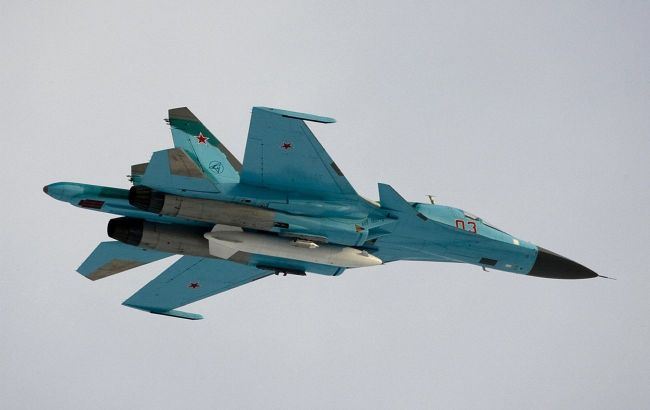
The bombers’ flight path specifically took them near northern Britain, prompting NATO to activate its air defense protocols and scramble fighter jets to monitor the Russian aircraft. Russian Su-33 fighters provided escort for the long-range bombers during the operation, which some observers suggested deliberately mirrored Santa Claus’s mythical Christmas Eve flight path from the North Pole—adding another symbolic layer to the provocation.
The Norwegian Sea mission wasn’t the only Russian aerial activity on Christmas Day. Polish Air Force jets were deployed to intercept and monitor a Russian reconnaissance aircraft approaching Polish airspace. Poland also reported another security incident that day, with balloons from neighboring Belarus violating its airspace—suggesting a coordinated pattern of provocations along NATO’s eastern flank.
These incidents represent a continuation of Russia’s increasingly assertive aerial operations near NATO territory. In September, the alliance was forced to scramble interceptors when a Russian reconnaissance aircraft approached over the Baltic Sea. Just days earlier, on September 19, Russian MiG-31 fighters had violated Estonian airspace, remaining within the NATO member’s territory for approximately 12 minutes.
Security experts view these provocations as part of Russia’s broader “hybrid warfare” strategy, which combines conventional military demonstrations with information operations. By conducting such flights, Russia can test NATO’s response times, gather intelligence, and generate media coverage that portrays Russian military power as far-reaching.
The use of nuclear-capable bombers specifically carries additional psychological weight, reminding European populations of Russia’s status as a nuclear power. The Tu-95MS, known to NATO as “Bear,” is a turboprop-powered strategic bomber that has been modernized several times since its Soviet-era introduction and remains a cornerstone of Russia’s nuclear triad.
These incidents occur against the backdrop of heightened tensions between Russia and NATO countries over the ongoing war in Ukraine. As Western nations continue providing military aid to Ukraine, Russian officials have increased both rhetoric and military demonstrations apparently intended to signal potential consequences.
Military analysts suggest such aerial provocations are likely to continue as the conflict persists, with Russia attempting to strain NATO resources through regular air defense activations while signaling its displeasure with continued Western support for Ukraine.
Fact Checker
Verify the accuracy of this article using The Disinformation Commission analysis and real-time sources.

8 Comments
It’s disappointing to see Russia resorting to such overt saber-rattling and intimidation tactics, especially around the holiday season. These bomber flights near NATO airspace only heighten tensions and raise the risk of miscalculation. Diplomatic efforts to de-escalate the situation should be the priority.
These Russian bomber flights near NATO airspace on Christmas Day strike me as a concerning show of force. While the Kremlin claims they are adhering to regulations, the timing and nature of the operations suggest an intent to psychologically impact European populations. A worrying development that could further destabilize the region.
Concerning to see Russia continue these provocative military flights near NATO airspace, especially during the holidays. Appears to be a calculated attempt to intimidate and rattle European countries. Hopefully cooler heads will prevail and de-escalation becomes the priority.
While Russia claims these bomber flights are routine, the timing and messaging suggest a deliberate attempt to rattle and intimidate European nations. This kind of saber-rattling behavior is deeply concerning and only serves to heighten regional tensions. Sustained diplomatic efforts to de-escalate the situation are critical.
While Russia claims these bomber flights are routine, the timing and messaging seem designed to heighten tensions and unnerve European populations. This kind of overt military posturing is counterproductive and only serves to increase the risk of miscalculation or conflict. A diplomatic off-ramp is urgently needed.
I’m troubled to see Russia engaging in these provocative military flights near NATO airspace, especially during the holiday period. It seems like a calculated attempt to rattle and intimidate European countries. Hopefully both sides can work to lower tensions through diplomatic channels rather than escalating the situation.
It’s disappointing to see Russia resorting to these types of provocative military flights near NATO airspace, especially during the holiday period. While the Kremlin claims adherence to regulations, the timing and nature of the operations suggest a clear intent to psychologically impact European populations. This kind of saber-rattling behavior is deeply concerning and should be met with a measured, diplomatic response.
It’s troubling to see Russia continue these types of provocative military flights near NATO airspace, especially around the holidays when many countries are observing celebrations. This appears to be a calculated attempt to psychologically impact European populations. Hopefully cooler heads can prevail and both sides will prioritize de-escalation through diplomatic channels.