


Listen to the article
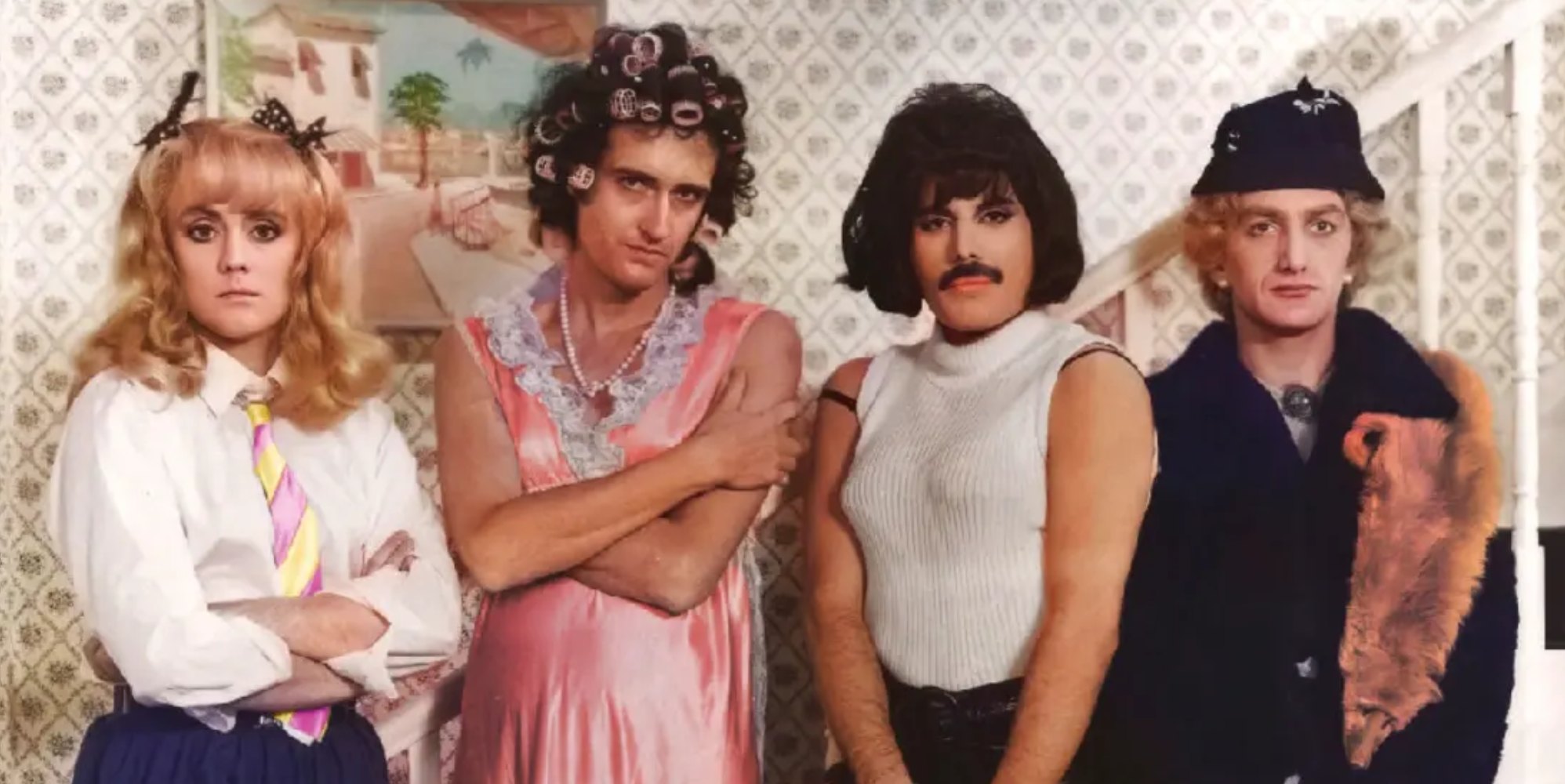
In a case highlighting Russia’s strict laws against LGBTQ+ expression, a 22-year-old Moscow resident faced legal consequences for sharing an image of the legendary rock band Queen from their iconic “I Want To Break Free” music video on social media.
David Gevondyan was prosecuted in March of last year for allegedly spreading “LGBT propaganda” on VK, a popular European social media platform. The case gained attention when, during his appeal, it was revealed that the primary image in question featured members of Queen in their famous drag costumes from the 1984 music video.
In the video, which became controversial even in Western countries at the time of its release, band members Freddie Mercury, Brian May, Roger Taylor, and John Deacon parodied the British soap opera “Coronation Street” by dressing in women’s clothing. The video was partially banned on MTV in America but has since become a celebrated part of music video history.
Gevondyan contested the charges, arguing that the band’s costume choices in the music video were artistic expression and did not constitute propaganda promoting LGBTQ+ lifestyles. However, the Russian court rejected his defense.
According to independent Russian news outlet Verstka, the court specifically noted that Gevondyan’s social media page also contained other content deemed problematic under Russia’s anti-LGBTQ+ laws, including “photos of men kissing and men dressed in miniskirts.” The combination of these images led to an undisclosed fine.
In its ruling, the court explicitly dismissed the cultural and artistic context of the Queen image, stating: “The posting of a photograph of Queen members dressed in women’s clothing on the website has no musical connotation, given the general meaning of the information disseminated by D. M. Gevondyan.”
The court’s decision further emphasized what it considered broader societal implications, claiming that “public approval and the promotion of the attractiveness of non-traditional sexual relations is dangerous not only for children and young people who are not yet capable of critical thinking, but also for society as a whole, as it poses a threat to the country’s demographic growth and economic development.”
This case represents one of many prosecutions under Russia’s expanding anti-LGBTQ+ legislation. In 2013, the country enacted a law banning “propaganda of non-traditional sexual relations” among minors. The law was later broadened in 2022 to prohibit any public expression or promotion of LGBTQ+ identities or relationships to Russians of all ages.
Human rights organizations have repeatedly condemned these laws as violations of basic freedoms of expression and as tools to suppress Russia’s LGBTQ+ community. The legislation has created a chilling effect on cultural expression, with many international artists, films, and media facing censorship or outright bans.
Queen’s music and legacy carries particular significance in this context. Freddie Mercury, the band’s lead vocalist who died from AIDS-related complications in 1991, never publicly came out during his lifetime but has become an important LGBTQ+ icon posthumously. The band’s theatrical performances and boundary-pushing aesthetics challenged gender norms throughout their career.
The “I Want To Break Free” video itself has been interpreted by many as having subtextual commentary on freedom of expression and identity, making its censorship in this case particularly symbolic of broader cultural and political tensions surrounding LGBTQ+ rights in Russia.
Fact Checker
Verify the accuracy of this article using The Disinformation Commission analysis and real-time sources.

14 Comments
This case is a troubling example of how Russia’s intolerance of LGBTQ+ expression is impacting even artistic and cultural works. The Queen video is a beloved classic, not ‘propaganda’. I hope the man is able to successfully contest the charges.
Agreed, the prosecution of this man for sharing the Queen video is deeply concerning. Russia’s heavy-handed approach to suppressing LGBTQ+ content, even in historical artistic works, is a worrying sign of the government’s authoritarian tendencies.
This case highlights the harsh crackdown on LGBTQ+ expression in Russia. The charges against this man for simply sharing an iconic Queen music video seem heavy-handed and concerning. I hope he is able to successfully appeal the decision.
Agreed, the Russian government’s intolerance of LGBTQ+ content is deeply troubling. This appears to be another example of censorship under the guise of ‘propaganda’ laws.
This case is a concerning example of how Russia’s anti-LGBTQ+ laws can be wielded to target even innocuous cultural references. The Queen music video is iconic, not propaganda. This prosecution seems like a heavy-handed overreach by the authorities.
I agree, the charges against this man for sharing the Queen video are deeply troubling. Russia’s restrictions on LGBTQ+ expression are increasingly draconian and out of step with international norms.
This case is a concerning example of how Russia’s crackdown on LGBTQ+ rights is impacting artistic and cultural expression. The Queen video is an iconic work, not ‘propaganda’. I hope this man is able to successfully appeal the charges.
Agreed, the prosecution of this man for sharing the Queen video is deeply troubling. Russia’s intolerance of LGBTQ+ content, even in historical artistic works, is a worrying sign of the government’s authoritarian tendencies.
It’s alarming to see Russia using its ‘anti-propaganda’ laws to target even historical works of art and music. The Queen video is a classic, not ‘LGBT propaganda’. This case highlights the shrinking space for free expression under the current regime.
Absolutely. This prosecution is a concerning example of how Russia is using its laws to stifle any content perceived as supporting LGBTQ+ issues, even if it’s artistic in nature and not overtly political.
It’s disappointing to see Russia using its ‘anti-propaganda’ laws to target even innocuous cultural references like the Queen music video. This case highlights the shrinking space for free expression under the current regime and its intolerance of LGBTQ+ issues.
Absolutely. This prosecution is a concerning example of how Russia’s crackdown on LGBTQ+ rights is extending to even historical works of art and music. The Queen video is an iconic classic, not ‘propaganda’.
It’s disappointing to see artistic expression being suppressed in this way. The Queen video is a classic, and it’s concerning that simply sharing it could lead to legal consequences in Russia. This reflects the shrinking space for free speech and cultural diversity.
Absolutely. The Russian government’s crackdown on LGBTQ+ issues seems to be extending even to historical works of art and music. This sets a dangerous precedent and undermines fundamental human rights.