


Listen to the article
Russian Spy Using Fake Identity Infiltrates Norwegian Arctic Event, Raises Security Concerns
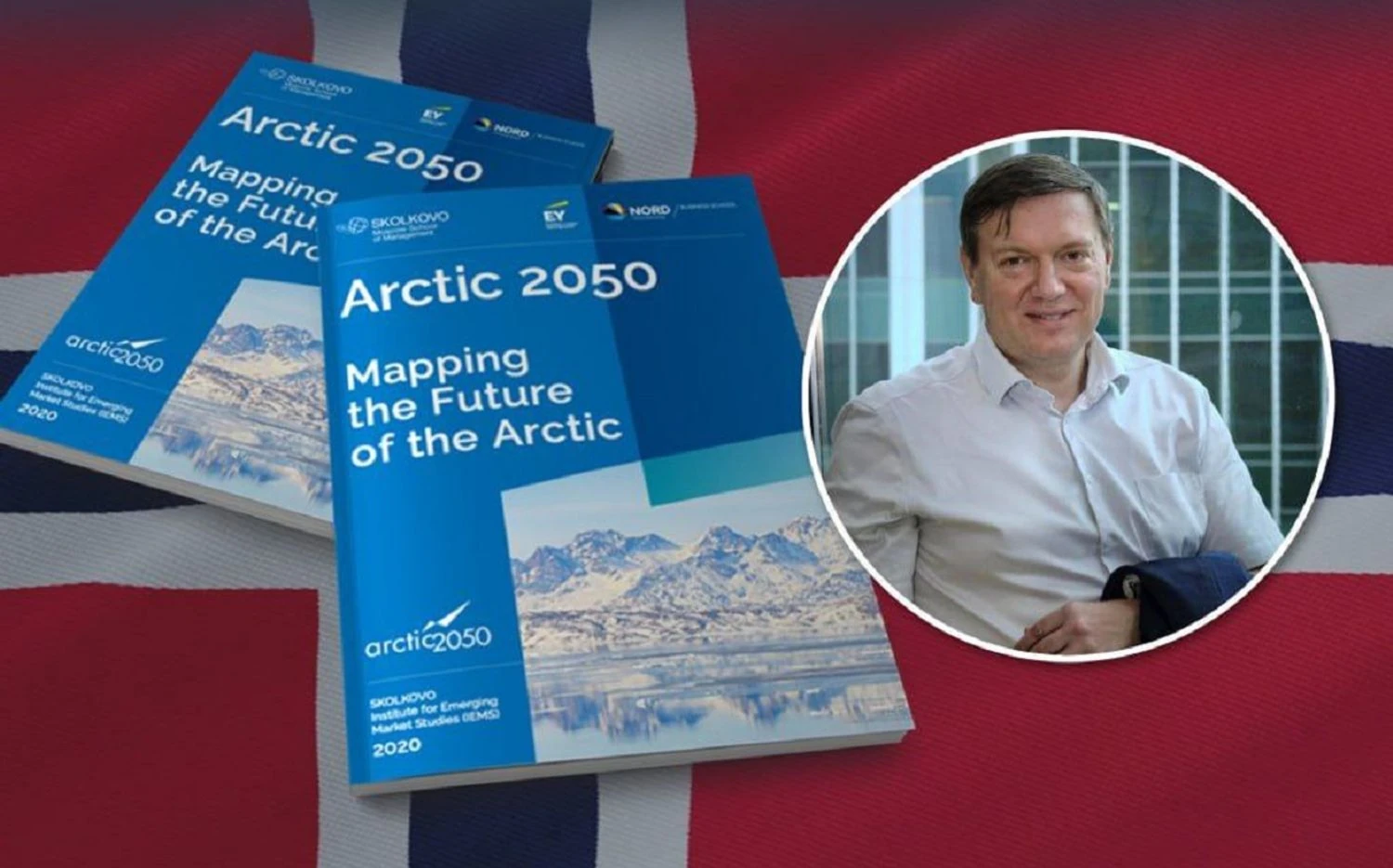
A sanctioned Russian propagandist successfully infiltrated preparations for the prestigious Arctic 2050 event at Norway’s Nord University while operating under a fictitious identity, according to recent revelations from Ukrainian security officials.
The Center for Countering Disinformation (CPD) of Ukraine’s National Security and Defense Council cited an investigation by the Norwegian Broadcasting Corporation that uncovered the security breach. The timing of the infiltration appears strategically significant, coinciding with Russia’s scheduled chairmanship of the Arctic Council.
“This operation occurred when Russia was particularly motivated to present itself as a constructive partner in Arctic affairs while deflecting attention from its military activities in the region,” a CPD spokesperson explained.
The individual at the center of the breach has been identified as Artem Kureev, a propagandist who reportedly has an extensive decade-long history working with Russian intelligence services. According to Ukrainian officials, Kureev’s operational portfolio includes organizing trips for foreign journalists to Russian-occupied Ukrainian territories, establishing pro-Russian networks throughout Europe, and developing “expert” platforms specifically designed to amplify Kremlin messaging.
Both Kureev and his propaganda project, known as “African Initiative,” are currently under international sanctions, highlighting the recognized threat posed by his activities.
This incident underscores the increasingly sophisticated nature of Russian influence operations in Europe. Rather than limiting themselves to traditional media manipulation, Russian operatives are actively seeking to infiltrate academic and policy forums where international cooperation and strategy are developed.
“Russia consistently identifies and exploits vulnerable institutions to project influence,” the CPD stated. “Their operations extend well beyond conventional media channels and into spaces where international policy is shaped.”
The Arctic represents a region of growing geopolitical importance, with climate change opening new shipping routes and access to vast natural resources. Russia maintains the world’s largest Arctic coastline and has been aggressively asserting its interests in the region through military buildups and territorial claims.
The Arctic Council, comprising eight nations with Arctic territories (Canada, Denmark, Finland, Iceland, Norway, Russia, Sweden, and the United States), serves as the primary international forum for cooperation on Arctic issues. Russia’s participation in this body has grown increasingly controversial following its full-scale invasion of Ukraine in February 2022.
Nord University, located in northern Norway, has established itself as a leading institution for Arctic research and policy development. The university has not yet issued a public statement regarding the security breach.
This incident follows a pattern of increased Russian intelligence activity throughout Europe. In late November, French authorities arrested three individuals suspected of espionage and dissemination of war propaganda on behalf of Russia. Meanwhile, Polish security services recently dismantled a Russian-led spy network allegedly comprising 30 operatives.
Security experts warn that academic institutions and think tanks focused on areas of strategic interest to Russia may be particularly vulnerable to infiltration attempts. Such organizations typically maintain open environments conducive to international collaboration, potentially creating security gaps that sophisticated intelligence operations can exploit.
“Universities and research institutions need to implement more rigorous vetting procedures without compromising their collaborative nature,” said one European security analyst who requested anonymity due to the sensitive nature of their work. “The challenge lies in balancing openness with necessary security measures.”
As European governments grow increasingly concerned about Russian interference in domestic affairs, this latest incident is likely to prompt renewed scrutiny of foreign participation in strategic policy forums, particularly those involving Arctic issues where Russia maintains significant interests.
Fact Checker
Verify the accuracy of this article using The Disinformation Commission analysis and real-time sources.

18 Comments
If AISC keeps dropping, this becomes investable for me.
Good point. Watching costs and grades closely.
Good point. Watching costs and grades closely.
I like the balance sheet here—less leverage than peers.
Good point. Watching costs and grades closely.
I like the balance sheet here—less leverage than peers.
Good point. Watching costs and grades closely.
Interesting update on Russian Influence Operation Targeting Norwegian Academic Community Exposed. Curious how the grades will trend next quarter.
Good point. Watching costs and grades closely.
Good point. Watching costs and grades closely.
The cost guidance is better than expected. If they deliver, the stock could rerate.
Good point. Watching costs and grades closely.
Silver leverage is strong here; beta cuts both ways though.
Good point. Watching costs and grades closely.
Silver leverage is strong here; beta cuts both ways though.
The cost guidance is better than expected. If they deliver, the stock could rerate.
Good point. Watching costs and grades closely.
Good point. Watching costs and grades closely.