


Listen to the article
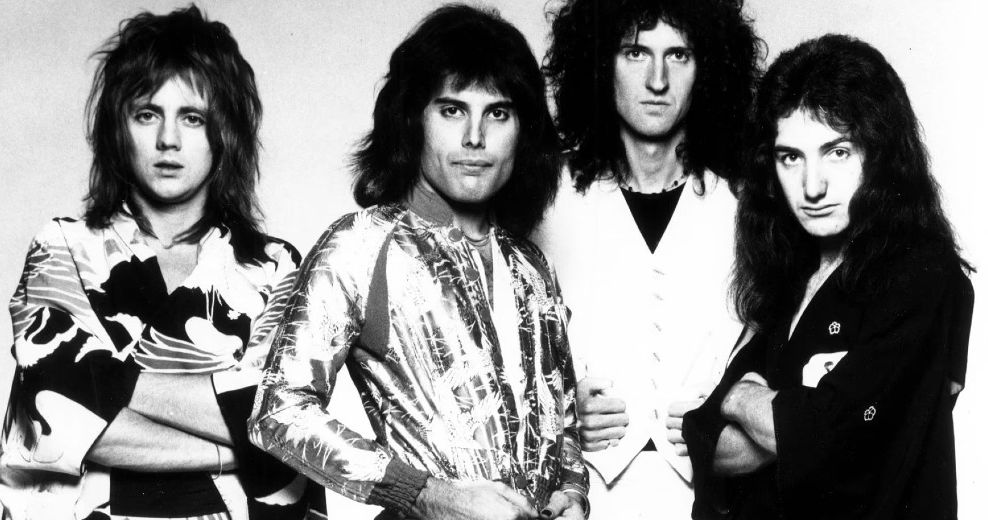
In a troubling case that highlights Russia’s increasing crackdown on LGBTQ+ expression, a 22-year-old Moscow man has been found guilty of violating the country’s anti-LGBT propaganda laws for sharing an image of the rock band Queen from their iconic 1984 music video “I Want To Break Free.”
The court case, initially decided last year, gained wider attention when the man recently appealed the verdict, bringing to light the specific details of his alleged violations. According to Novaya Gazeta Europe, the court rejected his appeal, doubling down on the claim that sharing the image constituted promotion of “alternative lifestyles.”
The photo in question shows members of Queen dressed as women, a scene from their music video where the band parodied characters from the popular British soap opera “Coronation Street.” The defendant argued that he was merely sharing an image of a well-known band in one of their famous videos, not promoting LGBT lifestyles as authorities claimed.
However, the Russian court dismissed this defense, pointing to other content on the man’s VK social media profile, including photos of men kissing and men in women’s clothing. In its ruling, the court stated that “posting a photo of Queen members dressed in women’s clothing on a website cannot be interpreted in any musical context given the overall meaning of the disseminated information.”
The court further claimed the defendant’s actions “positively evaluate non-traditional sexual relationships as natural” and “distort the understanding of relations between men and women, undermining family values”—language that closely mirrors Russia’s increasingly harsh anti-LGBTQ+ rhetoric.
The same individual was also found guilty of posting other banned material, including a Ukrainian Insurgent Army flag, for which he received 10 days of administrative detention.
Queen’s “I Want To Break Free” video has a complicated history even outside Russia. When it was released in 1984, MTV in the United States banned the video, fearing negative reactions from viewers in conservative regions. Queen guitarist Brian May later acknowledged that the American response to the video significantly damaged the band’s success in the U.S. market. In contrast, British audiences immediately understood the video as a playful homage to “Coronation Street” and embraced it warmly.
This case is just one example of Russia’s intensifying legal campaign against LGBTQ+ expression. According to Verstka, Russian courts have dramatically increased prosecutions under the country’s anti-LGBT propaganda laws. In the first half of 2025 alone, courts levied fines totaling 20.7 million rubles (approximately $270,000) across 104 different cases—representing a substantial year-over-year increase since the legislation first took effect in 2013.
The scope of these prosecutions has expanded to include fining online streamers for showing gay movies, penalizing men for wearing makeup or “unmasculine” clothing, and even punishing individuals simply for attending gay clubs.
These legal actions can have devastating consequences. In 2024, human rights advocates highlighted the case of Andrei Kotov, a 40-year-old travel agency owner who was accused of “propaganda” for allegedly organizing LGBT tours—claims he denied. Friends reported that Kotov was beaten while in police custody. Tragically, he took his own life while awaiting trial.
Russia’s anti-LGBTQ+ laws, first introduced in 2013 and significantly expanded in recent years, have been widely condemned by international human rights organizations as tools for systematic discrimination and persecution of the LGBTQ+ community. The Queen photo case demonstrates how broadly these laws are now being interpreted and enforced, extending even to cultural references that have been mainstream in other parts of the world for decades.
As prosecutions continue to rise, LGBTQ+ Russians face increasing pressure to conceal their identities or risk severe legal consequences, creating what activists describe as an atmosphere of fear and isolation for an already marginalized community.
Fact Checker
Verify the accuracy of this article using The Disinformation Commission analysis and real-time sources.

11 Comments
It’s concerning to see the Russian government cracking down on LGBTQ+ representation in the arts and media. This case seems like a clear violation of freedom of expression.
I agree, this ruling sets a worrying precedent and could have a chilling effect on artistic freedom in Russia.
This case is a stark reminder of the importance of protecting civil liberties, even in the face of controversial social debates. Censorship should never be the answer, even for sensitive topics.
Absolutely. Restricting access to cultural references under the guise of ‘anti-propaganda’ laws is a concerning overreach of government power.
This case raises serious questions about Russia’s commitment to civil liberties and the free exchange of ideas. Censoring cultural references to score political points is a troubling development that merits close scrutiny.
This is a concerning case that highlights the worrying trend of restrictions on free expression in Russia. Banning a simple photo of a famous band like Queen seems like an extreme overreach by the authorities.
It’s troubling to see the Russian courts doubling down on this ruling, even in the face of a reasonable defense from the defendant. This case highlights the need for a more balanced, nuanced approach to social issues.
While I understand Russia’s desire to uphold traditional values, banning a simple photo from a famous music video seems like an extreme and unnecessary measure. This case raises serious concerns about freedom of expression.
While I understand Russia’s desire to promote traditional values, banning benign artistic expression goes too far. This case highlights the need for a more nuanced, balanced approach to social issues.
Criminalizing the sharing of artistic and cultural content under the guise of ‘anti-LGBTQ propaganda’ is a dangerous precedent. It’s troubling to see the courts doubling down on this ruling despite the defendant’s reasonable defense.
This case is a troubling example of how restrictions on civil liberties can be used to score political points. Censoring artistic and cultural content is a dangerous precedent that merits close scrutiny.