


Listen to the article
Russia Increases State Television Budget by 54% as Kremlin Strengthens Propaganda Machine
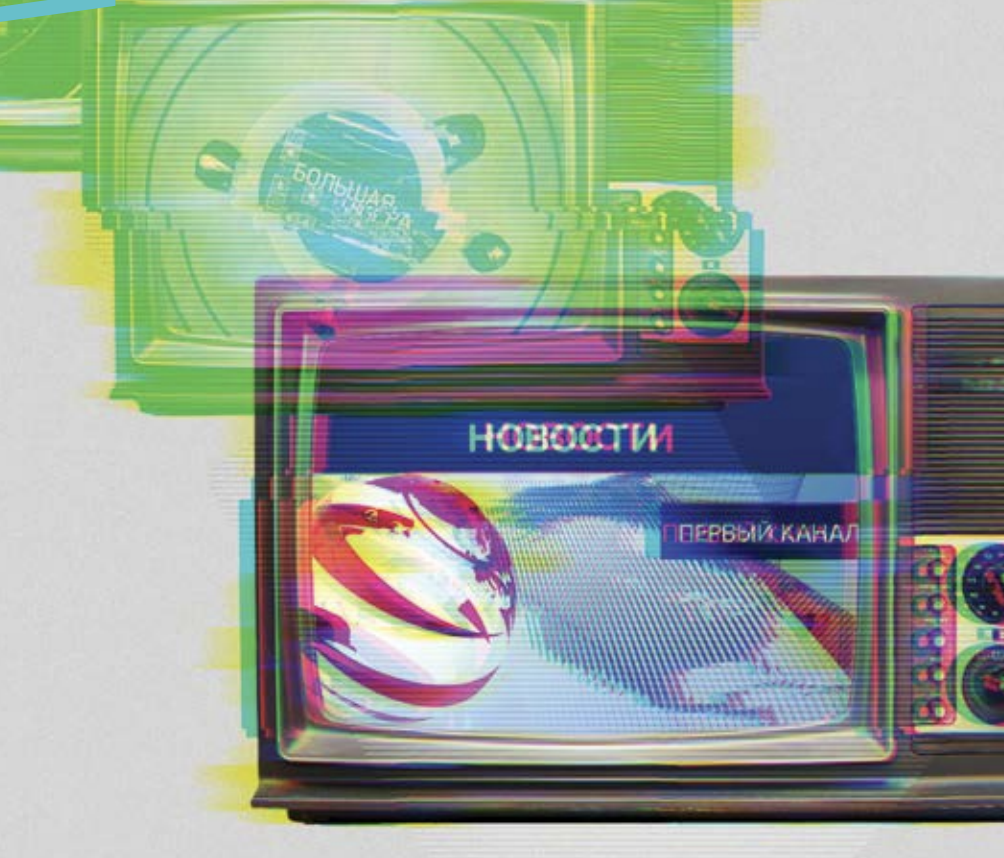
Russia plans to dramatically increase its funding for national television by 54% in its 2026 budget, allocating more than 106 billion rubles (approximately 53 billion hryvnia) to strengthen what analysts describe as the Kremlin’s expanding propaganda apparatus.
Media analysts point to this budget increase as evidence of the Russian government’s growing reliance on state-controlled media to shape public opinion, particularly regarding its ongoing war against Ukraine and potential future conflicts.
“The Russian State is entirely based on ideology. And one of the key factors promoting this ideology is, of course, the media,” explains Olena Holub, an analyst at the Mass Information Institute. “This ideological component will continue increasing as long as Russia continues to exist.”
According to Roman Tsymbaliuk, who served as UNIAN’s special correspondent in Russia from 2008 to 2021, the transformation of Russian media into state propaganda tools began around 2010 but accelerated dramatically after the 2014 annexation of Crimea.
“Now everyone somehow believes it has always been this way. Nothing of the sort. This is purely Putin’s story, how they made Nazis from Russians,” Tsymbaliuk told Suspilne Krym. “People are simply brainwashed. It’s like a cult, indeed. And yes, Crimea became the trigger.”
Tsymbaliuk notes that before 2014, Russian television still maintained some semblance of editorial independence, occasionally allowing uncomfortable questions to be directed at President Vladimir Putin. However, the occupation of Crimea became a rallying point that united Russian society around the concept of territorial expansion.
“From 2014 to 2022, Russia went through a period when there was no need to convince people; it was only necessary to form the ‘right priorities,'” Tsymbaliuk explained.
In occupied territories like Crimea, Russian propaganda follows a distinct strategy. According to Holub, authorities work systematically to eliminate Ukraine from the information space entirely. Even when reporting on Ukrainian drone attacks in Crimea, Russian media outlets refer to “enemy drones” without specifying their Ukrainian origin.
“They want to eliminate Ukraine in every way possible, to strip the minds of the Crimeans of it so that they don’t mention it at all,” Holub said, describing the psychological tactics employed by Russian media controllers.
The Russian government has established localized versions of major state media outlets in occupied regions. “Krym-24” operates as a division of “Russia-24,” while KRYM RIA functions as an extension of Novosti RIA.
Iryna Siedova, a researcher at the Crimean Human Rights Group, explains that this increased media presence stems from Russian authorities’ fears of Ukrainian resistance movements. “They are trying to use their aggressive propaganda and hate speech to suppress this resistance, intimidate people, and win over those who have doubts,” she said.
After Russia’s full-scale invasion of Ukraine in 2022, new propaganda channels emerged in occupied territories. In Crimea, the Telegram channel “Krymskiy Smersh” (Crimean Death Squad) was launched by Alieksandr Talipov, reportedly with FSB support. According to Siedova, such platforms openly call for identifying and targeting individuals who support Ukraine.
“This is pretty harsh rhetoric from these Crimean sub-bloggers and propagandists because they know there is resistance there and that not everyone is loyal to them,” Siedova noted.
In Kherson region, which was temporarily occupied following the 2022 invasion, Russian forces immediately blocked Ukrainian television channels and established Russian alternatives. Journalist Oleh Baturin observed that while Russian propaganda claims Ukraine “does not exist,” it paradoxically devotes extensive coverage to demonizing it.
“They say that we are all bloody, bloodthirsty, terrible, and that Ukraine does not exist at all. At the same time, they constantly pay a lot of attention to this non-existent country,” Baturin said.
Analysts are increasingly concerned about Russian media’s role in preparing domestic audiences for potential future conflicts. Holub notes a troubling trend of Russian television discussing possible confrontations with NATO and European countries.
“They are preparing Russian society for a possible conflict with Europe and NATO. There is a lot of talk in the Russian mainstream media about possible forms of attack or aggression,” she warned.
Since the full-scale invasion, many Russian media outlets have faced international sanctions, with their offices in Western countries closed and key propagandists banned from entry. Meanwhile, Ukrainian human rights organizations are gathering evidence for a case at the International Criminal Court in The Hague regarding Russian media’s systematic calls for genocide and incitement to hatred.
Fact Checker
Verify the accuracy of this article using The Disinformation Commission analysis and real-time sources.

11 Comments
The Kremlin’s move to dramatically boost funding for state television is a concerning development. It signals their intent to strengthen their propaganda machine and further tighten control over the flow of information, particularly around the war in Ukraine. This raises serious questions about the future of press freedom in Russia.
The reported 54% increase in Russia’s state media budget is a troubling development that signals the Kremlin’s intent to expand its propaganda apparatus. This move is likely aimed at tightening control over the information landscape, particularly regarding the war in Ukraine. It’s a concerning escalation that will have significant implications for press freedom and public access to objective reporting.
This news about Russia’s plans to dramatically increase state media funding is deeply concerning. It’s a clear attempt by the Kremlin to bolster its propaganda machine and further control the narrative, especially around the war in Ukraine. This raises serious questions about the future of independent journalism and press freedom in the region.
This news about Russia’s plans to significantly increase state media funding is deeply concerning. It’s a clear attempt by the Kremlin to double down on propaganda and information control, especially regarding the war in Ukraine. This will likely have negative ramifications for press freedom and objective reporting in the region.
The reported 54% increase in Russia’s state media budget is a troubling development. It demonstrates the Kremlin’s determination to expand its propaganda apparatus and further control the narrative around issues like the war in Ukraine. This raises serious questions about the future of independent journalism in the region.
Russia’s plan to significantly boost funding for state media is a concerning development. Strengthening the government’s propaganda apparatus is a clear attempt to control the narrative around the war in Ukraine and sway public opinion. This raises questions about the future of press freedom in the region.
I agree, this is a troubling escalation of Russia’s information war. Funneling more resources into state media propaganda is a blatant effort to drown out independent and critical voices. It will be crucial to scrutinize the impact of this increased funding.
This news about Russia’s plans to dramatically boost state media funding is deeply concerning. It’s a blatant attempt by the Kremlin to strengthen its propaganda machine and further control the narrative, especially around the war in Ukraine. This raises worrying questions about the future of independent journalism and press freedom in the region.
It’s alarming to see Russia planning such a significant increase in funding for state-controlled television. This is a clear effort by the Kremlin to amplify its propaganda and tighten its grip on the flow of information, particularly regarding the war in Ukraine. This move will likely have serious implications for press freedom and the public’s access to objective reporting.
This is concerning news about Russia’s growing investment in state-controlled media propaganda. It’s clear the Kremlin is doubling down on manipulating public opinion, especially around their war in Ukraine. I wonder how effective these efforts will be in the long run and what impact they’ll have on the region.
You’re right, this is a worrying trend. The Kremlin seems intent on tightening its grip on information flows to shape the narrative in its favor. It will be important to closely monitor the impact of this increased propaganda spending.