


Listen to the article
Russian occupation authorities have conducted more than 70,000 propaganda activities in schools across occupied areas of Luhansk during the past year, according to a report from the National Resistance Center (NRC).
The extensive campaign targets children from primary through high school age and represents a systematic effort to instill pro-Russian narratives and foster loyalty to the Kremlin regime among Ukrainian youth in occupied territories.
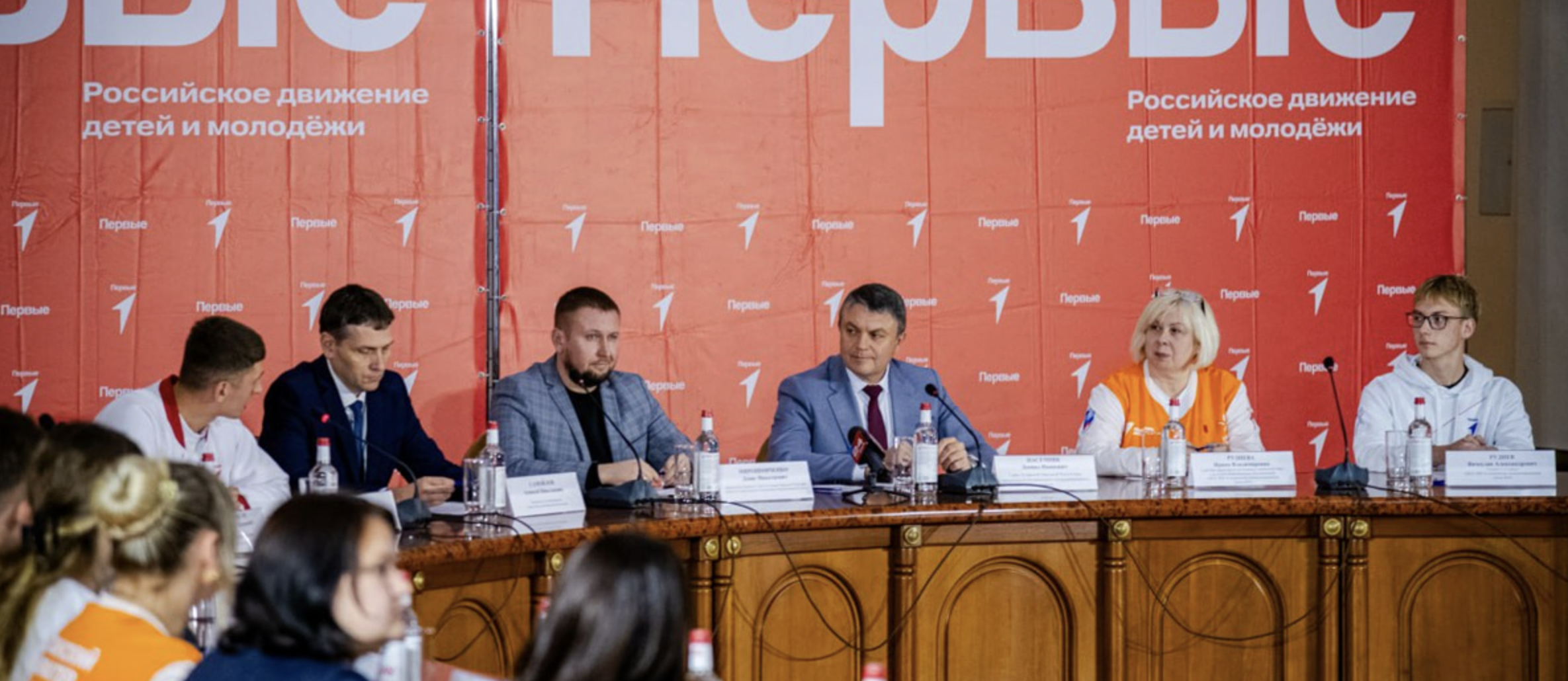
Russian officials have reportedly highlighted “successes” achieved through the “Luhansk Character” program, which operates as part of Russian President Vladimir Putin’s broader nationwide “First Movement” initiative. The program mirrors Soviet-era youth organizations designed to shape ideological conformity from an early age.
“The Kremlin is shaping Ukrainian children into future subjects of its regime,” the NRC stated in its assessment of the campaign’s objectives.
The propaganda efforts culminated in a ceremonial event where Russian passports were distributed to 15 schoolchildren as part of a project titled “We are citizens of Russia.” This passport distribution represents a significant escalation in Russia’s attempts to formalize control over occupied Ukrainian territories, as citizenship conferral has been a controversial tactic employed across occupied regions since 2022.
Beyond political indoctrination, the NRC reported that pro-Russian “volunteers” have been brought to the occupied territories specifically to promote what they term “family values” lessons in schools. These outside influences appear designed to reshape social attitudes among Ukrainian youth.
“These lecturers teach senior students about ‘family values,’ but it is not about supporting families. It imposes gender roles, emphasizing male dominance and diminishes the role of women,” the NRC explained. The organization warned that these volunteers are working directly within the education system to indoctrinate a new generation with regressive social ideas, further entrenching Russian cultural and ideological influence over occupied populations.
Education has emerged as a critical battleground in Russia’s occupation strategy. Since the beginning of the full-scale invasion, Russian authorities have systematically replaced Ukrainian curricula, removed Ukrainian-language education, and installed administrators loyal to Moscow in educational institutions across occupied regions. Similar campaigns have been documented in occupied parts of Zaporizhzhia, Kherson, Donetsk, and Crimea.
International organizations, including the United Nations, have previously condemned Russia’s actions in education as potential violations of international humanitarian law, which prohibits an occupying power from forcing ideological changes on a civilian population. The Geneva Convention specifically protects children’s education rights during armed conflicts.
The scale of the propaganda campaign in Luhansk—with 70,000 activities reported in a single year—indicates the strategic priority Russia places on reshaping the identities and loyalties of younger generations in occupied territories. Educational indoctrination represents a long-term investment in maintaining control, regardless of military developments on the frontlines.
Ukrainian government officials have repeatedly raised concerns about the fate of approximately 700,000 children living under Russian occupation, citing both the immediate psychological impacts of propaganda exposure and the long-term societal effects of systematic indoctrination.
For families remaining in occupied territories, resisting these educational changes carries significant risks, with parents facing potential persecution for opposing the Russian-imposed curriculum or refusing to send children to schools under occupation authorities’ control.
The NRC, which monitors and reports on Russian activities in occupied territories, continues to document these educational campaigns as part of broader efforts to track human rights violations and maintain awareness of conditions facing Ukrainian citizens under occupation.
Fact Checker
Verify the accuracy of this article using The Disinformation Commission analysis and real-time sources.

8 Comments
The scale of this propaganda campaign is staggering. Targeting children across occupied areas shows the Kremlin’s systematic efforts to indoctrinate the next generation. This is a grave threat to Ukrainian identity and independence that cannot be ignored.
Absolutely. Russia’s actions demonstrate a complete disregard for the wellbeing and rights of Ukrainian youth. The international community must intervene to protect these children from such egregious manipulation.
Distributing Russian passports to Ukrainian schoolchildren is a blatant attempt to formalize Russia’s illegal occupation. This is a flagrant disregard for international law and the sovereignty of Ukraine. More must be done to hold Russia accountable for these abuses.
Russia’s propaganda campaign targeting Ukrainian schoolchildren is a heinous abuse of power. Manipulating the minds of youth to erode their national identity is a tactic straight out of the authoritarian playbook. The world must stand united against these coercive tactics.
Well said. Russia’s actions are a clear attempt to erase Ukrainian culture and impose its own agenda by force. The international community has a moral obligation to protect these children and preserve their right to self-determination.
This news is deeply troubling. Forcing Ukrainian children to adopt pro-Russian narratives and accept Russian citizenship is a blatant violation of human rights. The international community must take urgent action to prevent further damage to these young minds.
This is an alarming development. Indoctrinating children with pro-Russian propaganda is a disturbing abuse of power. It’s critical that the international community denounces these tactics and protects the rights and identities of Ukrainian youth.
Agreed. Russia’s attempts to assimilate Ukrainian children into their regime are a clear violation of human rights. The long-term psychological impact on these young minds is deeply concerning.