


Listen to the article
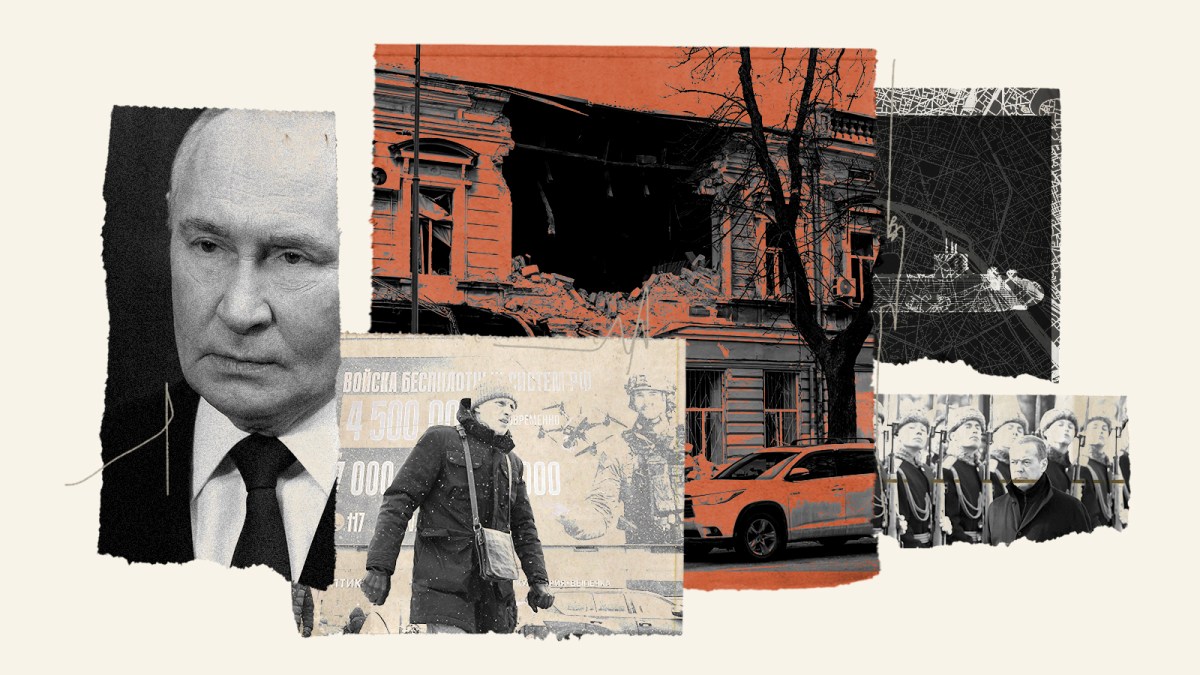
The Russian government is intensifying its propaganda efforts as public enthusiasm for the war in Ukraine appears to be waning among ordinary citizens. After more than two years of conflict, what the Kremlin still insists on calling a “special military operation” has become increasingly normalized in Russian society, while simultaneously generating growing fatigue.
Recent polls conducted by independent researchers suggest that while many Russians continue to express patriotic support for the war when questioned publicly, private attitudes reveal a more complex picture of resignation and weariness. This shift in sentiment has prompted state media to ramp up efforts to maintain public backing for the conflict.
“The Kremlin recognizes that maintaining domestic support is critical to its war effort,” explains Maria Lipman, a Russian political analyst at the Carnegie Russia Eurasia Center. “As the conflict drags on without the decisive victory Putin initially promised, authorities are having to work harder to justify the ongoing human and economic costs.”
State television has notably increased its coverage of supposed Ukrainian atrocities and Western conspiracies against Russia, while downplaying Russian casualties. Meanwhile, the government has tightened restrictions on independent media, with nearly all remaining outlets either shut down or forced to operate from abroad.
The propaganda push comes amid reports of recruitment challenges for the Russian military. While the Kremlin authorized a significant increase in military personnel last December, bringing the target strength to 1.5 million active-duty soldiers, defense officials have struggled to meet these ambitious goals.
“The military is increasingly relying on financial incentives to attract volunteers,” notes Pavel Luzin, a Russian military expert at the Fletcher School of Law and Diplomacy. “Combat pay can exceed ten times the average Russian monthly salary in some regions, making military service one of the few paths to financial stability for many in economically depressed areas.”
This economic reality has created what some observers call a “class divide” in Russian attitudes toward the war. In Moscow and St. Petersburg, where average incomes are significantly higher, the conflict remains largely abstract for many residents who can continue their daily lives with minimal disruption. In contrast, rural and economically disadvantaged regions have borne a disproportionate burden of casualties and mobilization.
The Russian Orthodox Church has emerged as another crucial pillar in the state’s propaganda apparatus, with Patriarch Kirill repeatedly framing the war as a spiritual struggle against Western values. This religious dimension has helped the Kremlin portray the conflict as existential rather than merely geopolitical.
“By conflating Russian national identity with Orthodox Christianity and positioning the West as morally corrupt, the state creates a narrative where questioning the war becomes not just politically disloyal but culturally treasonous,” explains Alexander Baunov, a senior fellow at the Carnegie Russia Eurasia Center.
Meanwhile, Russia’s education system has been overhauled to incorporate more “patriotic” content. A new mandatory course titled “Conversations about Important Things” has been introduced in schools nationwide, teaching children about Russia’s “historical mission” and the justifications for the Ukraine conflict.
Public displays of war support remain highly visible, with Z symbols—adopted as an unofficial emblem of the invasion—displayed on government buildings, public transportation, and billboards. Yet observers note that spontaneous expressions of war enthusiasm have declined markedly since the early months of the conflict.
Economic factors may ultimately prove more significant than propaganda in shaping public attitudes. Despite Western sanctions, Russia’s economy has demonstrated surprising resilience, largely due to continued energy exports and increased military spending. However, economists warn that the long-term outlook remains concerning, with technological isolation and demographic challenges threatening future growth.
“Putin’s government has effectively created a wartime economy that can sustain the conflict for years to come, even without overwhelming public enthusiasm,” says Chris Weafer, founder of Macro-Advisory consulting firm. “The average Russian may be tired of war, but the system is designed to continue regardless of public opinion.”
As the conflict approaches its third year with no resolution in sight, the Kremlin’s propaganda machine faces its greatest challenge yet: maintaining a narrative of inevitable victory while preparing the population for a protracted struggle. For ordinary Russians caught between economic pressures and intensifying state messaging, the war has become an inescapable backdrop to daily life—whether they support it or not.
Fact Checker
Verify the accuracy of this article using The Disinformation Commission analysis and real-time sources.

10 Comments
The normalization of the war in Russian society is worrying. Increased state media coverage of alleged Ukrainian atrocities and Western conspiracies is a clear attempt to maintain public backing, but it’s concerning to see the lengths the Kremlin will go to in order to preserve support.
Absolutely. With growing war fatigue among citizens, the Kremlin’s propaganda efforts are becoming more desperate. It will be interesting to see how this plays out in the coming months.
This is an interesting development. It’s concerning to see the Kremlin ramp up propaganda efforts as public support appears to be waning. Maintaining domestic backing is crucial for Russia’s war efforts, but the growing fatigue among citizens is telling.
You’re right, the shift in sentiment is significant. As the conflict drags on, the Kremlin will have to work harder to justify the ongoing costs to the Russian people.
The normalization of the war in Russian society is a troubling sign. It’s clear that the Kremlin is working hard to maintain public backing, but the growing fatigue and resignation among citizens is a significant challenge for them. This is a complex and evolving situation that will be important to monitor closely.
You’re absolutely right. The Kremlin’s propaganda efforts are a response to their concerns about the shifting attitudes among the Russian public. It will be interesting to see how this plays out and whether the Kremlin can maintain domestic support as the war continues.
This is a concerning development. The Kremlin’s intensification of propaganda efforts suggests they are worried about the shifting attitudes among the Russian public. Maintaining domestic support is crucial for their war efforts, but the growing fatigue and resignation among citizens is telling.
I agree. The Kremlin’s actions demonstrate their desperation to justify the ongoing costs of the conflict to the Russian people. As the war drags on, their propaganda tactics will likely become more aggressive.
It’s not surprising that the Kremlin is ramping up its propaganda efforts as public enthusiasm for the war appears to be waning. The conflict has had a significant human and economic cost, and it’s understandable that many Russians are growing weary of it.
You make a fair point. The Kremlin’s efforts to maintain domestic support are likely a reflection of their concern about the growing public fatigue with the war.