


Listen to the article
Russian propaganda is leveraging the upcoming 2026 Olympics to spread disinformation about Ukrainian refugees in Europe, according to Ukraine’s Center for Countering Disinformation at the National Security and Defense Council.
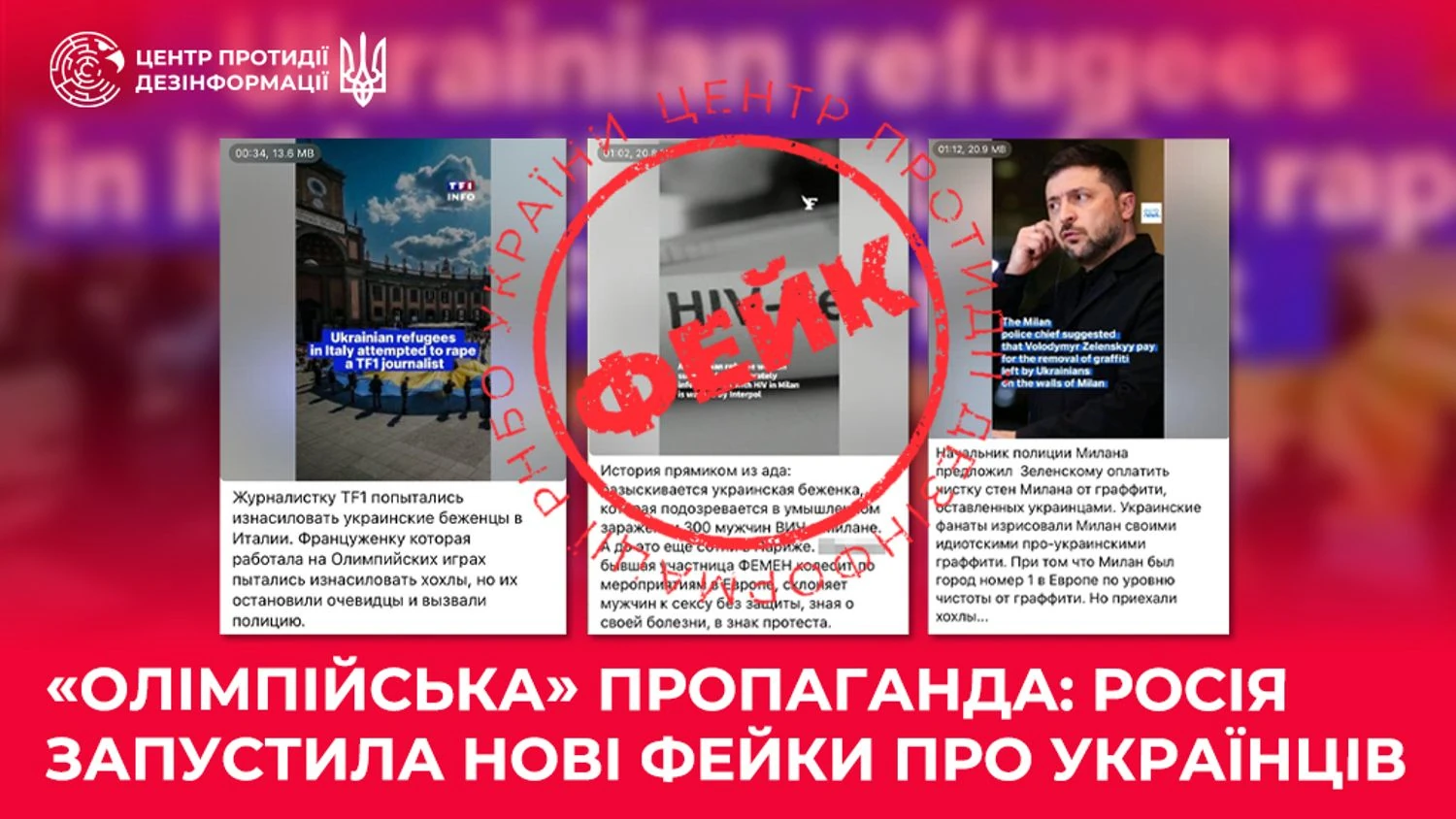
The center has identified a coordinated campaign of fabricated stories designed to discredit Ukrainian citizens living in European Union countries. These false narratives, which portray refugees engaging in criminal and antisocial behavior, are being disguised as reports from credible Western media outlets.
Among the most egregious examples is a completely fabricated story about a Ukrainian refugee allegedly infecting hundreds of men with disease in Milan and Paris. Another falsified report claimed Ukrainian refugees attempted to rape a French journalist. The campaign also included a fake appeal from Milan’s police chief to Ukraine’s president demanding payment for graffiti removal costs—an official communication that never existed.
Security experts have attributed these fabrications to “Matryoshka,” a Russian disinformation network that specializes in creating convincing copies of legitimate news sites. The network’s strategy involves appropriating the logos and visual styles of respected Western media outlets to lend credibility to completely fabricated content.
“This is completely fabricated content created for dissemination through a network of pro-Russian accounts,” the Center for Countering Disinformation emphasized in their statement. “The tactic of falsifying publications of well-known media, organizations, or statements of public figures is systematically used by the Russian disinformation network ‘Matryoshka’.”
The BBC’s verification department has documented at least 43 instances of such manipulations specifically tied to the 2026 Olympics context. A critical pattern identified by investigators is that none of these false stories appear on the official websites of the media organizations whose logos and styles were appropriated. Instead, the dissemination occurs exclusively through networks of pro-Russian social media accounts and websites.
The Institute for Strategic Dialogue (ISD), which tracks disinformation campaigns globally, has confirmed the connection between these activities and previously identified Russian influence operations. This campaign represents a concerning evolution in Russia’s information warfare tactics, as it specifically targets major international sporting events to maximize visibility and potential impact.
Since Russia’s full-scale invasion of Ukraine in 2022, millions of Ukrainians have sought refuge across Europe. This latest disinformation campaign appears designed to erode public support for Ukrainian refugees by generating hostility and suspicion in host countries, particularly as international attention turns toward the 2026 Winter Olympics in Italy.
European security agencies and disinformation experts have expressed concern that such campaigns could intensify as the Olympics draw nearer. The sporting event provides an ideal backdrop for information operations due to heightened international media attention and public engagement.
This is not the first time Russian propaganda has targeted Ukrainian participation in international sporting events. Earlier this month, the Center for Countering Disinformation reported that Russia was already launching fabricated stories about Ukrainian athletes ahead of the Olympics.
These coordinated efforts highlight the increasingly sophisticated nature of cross-border disinformation campaigns and their integration with geopolitical objectives. As digital verification techniques improve, those behind such campaigns appear to be adapting their tactics—focusing on creating emotional, highly shareable content that can spread rapidly before fact-checkers can respond.
European authorities have urged media consumers to verify information through official channels and to be particularly skeptical of sensational stories about refugees that appear exclusively on social media platforms.
Fact Checker
Verify the accuracy of this article using The Disinformation Commission analysis and real-time sources.

7 Comments
Propagating fake news about vulnerable populations is a despicable act. I hope the authorities can effectively dismantle this disinformation network and hold the perpetrators accountable. The integrity of journalism and public discourse must be protected.
Fabricating news stories and impersonating credible sources is a reprehensible form of propaganda. I hope the authorities are able to swiftly shut down this ‘Matryoshka’ network and hold those responsible accountable.
Absolutely. Disinformation campaigns like this erode public trust and make it harder to have constructive dialogue. We must remain critical consumers of news and fact-check claims, especially when they seem designed to inflame tensions.
This is a troubling development, but not surprising given Russia’s history of using disinformation as a political weapon. We must continue to call out these tactics and support efforts to promote media literacy and fact-based reporting.
I agree. Combating the spread of false narratives is crucial for maintaining a well-informed public. Vigilance and a commitment to truth-telling are essential in these challenging times.
It’s disheartening to see Russia resorting to such underhanded tactics to discredit Ukrainian refugees. This is a clear abuse of power and a violation of journalistic integrity. I hope the international community responds forcefully to stamp out this propaganda.
This is very concerning. Spreading disinformation about refugees is a despicable tactic to sway public opinion. We need to be vigilant in identifying and calling out these fabricated stories to prevent further harm.