


Listen to the article
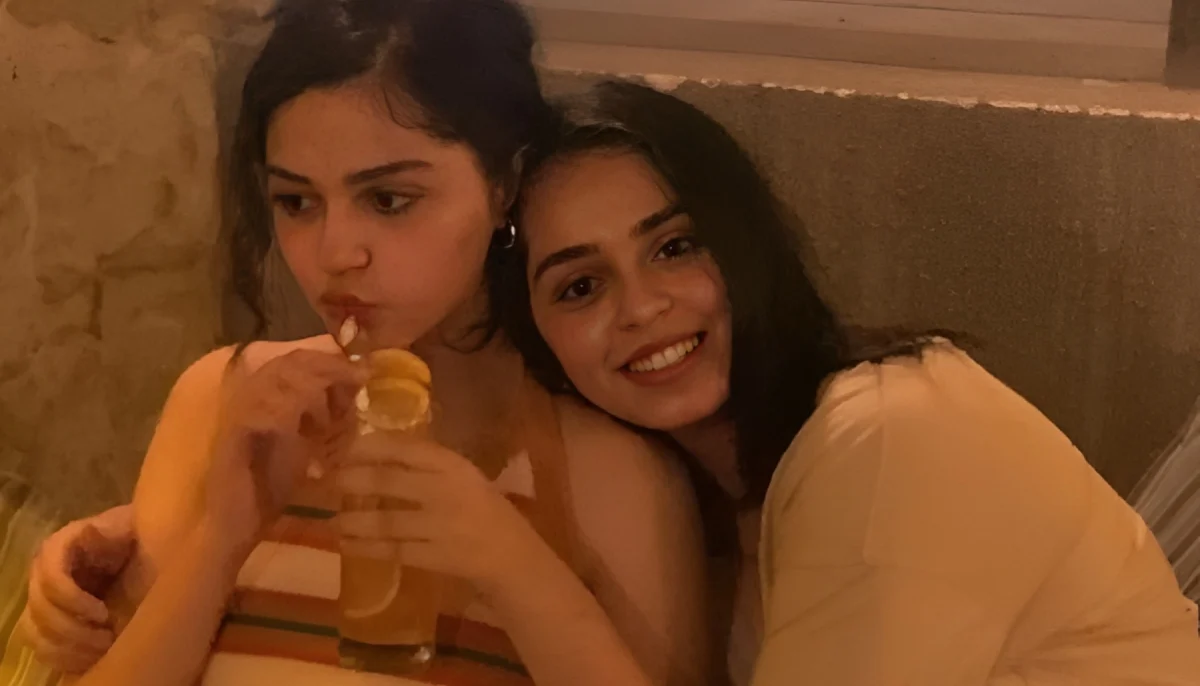
The controversy surrounding the deletion of Reet Padda’s Instagram account has intensified as online backlash mounted against her critique of several high-profile Bollywood films. Reet Padda, sister of Aneet Padda, found herself at the center of a social media storm after screenshots of her comments criticizing Ranveer Singh’s “Dhurandhar 2” and other films like “The Kashmir Files” as “propaganda” went viral.
The controversy began when Padda responded to an Instagram user with pointed criticism of “Dhurandhar 2,” claiming the film promoted a “government-friendly narrative” that attempted to justify controversial policy decisions like demonetization through politically charged dialogue. In her comments, she was direct and unapologetic, stating, “Call it propaganda? Yep. Deny it? Not a chance.”
Her critique extended beyond “Dhurandhar 2” to other contentious films including “The Kashmir Files” and “Kerala Files,” which she accused of deliberately inflating statistics to push divisive narratives against specific communities. According to Padda, these films took “a sliver of truth” but added “absurdly inflated numbers” to create sensationalized stories that misrepresent reality.
In one specific example, she claimed that “Kerala Files” exaggerated figures by suggesting “32,000 women converted to Islam” when the actual numbers were significantly lower. She invited those with “real ground reality” knowledge to share more accurate information.
As screenshots of these comments circulated across social media platforms, the backlash intensified rapidly. Fans of the films and numerous netizens accused Padda of bias and disrespecting stories they believed portrayed important national narratives. Initially, Padda attempted to manage the situation by making her Instagram account private, but visitors to her profile now encounter a message reading “Sorry, this page isn’t available,” indicating she has deleted her account entirely.
“Dhurandhar 2,” which sparked this controversy, was released on March 19 as a sequel to the highly successful 2025 film that reportedly grossed ₹1,300 crore worldwide. The action-thriller stars Ranveer Singh as an Indian intelligence operative who infiltrates terrorist networks in Karachi. The film features an ensemble cast including veterans Sanjay Dutt, Arjun Rampal, R. Madhavan, alongside Sara Arjun and Rakesh Bedi.
While the film has been praised for its high-octane action sequences and patriotic themes, it has also ignited debates about the fine line between patriotism and propaganda in contemporary Indian cinema. This reflects a growing trend in Bollywood where nationalist narratives have become increasingly prominent, with some viewers and critics raising concerns about potential political influences on storytelling.
Notable industry figures including Anupam Kher and Piyush Mishra have dismissed allegations of propaganda, defending such films as legitimate artistic expressions that portray important national issues and historical events. However, critics argue these films often oversimplify complex geopolitical and social realities to appeal to certain segments of the audience.
The incident highlights the increasingly polarized nature of discussions around Indian cinema, particularly films touching on sensitive political, religious, or historical subjects. Social media has amplified these debates, often transforming artistic critique into personal attacks that can have real consequences for those expressing opinions counter to popular sentiment.
As the Indian film industry continues to produce content addressing national issues and historical events, the boundary between entertainment, history, and political messaging remains contentious, with audiences increasingly divided on how these narratives should be presented and interpreted.
Fact Checker
Verify the accuracy of this article using The Disinformation Commission analysis and real-time sources.

18 Comments
The deletion of Reet Padda’s Instagram account following her comments is concerning. Freedom of expression should be protected, even for dissenting views on sensitive topics.
While the films in question may have their supporters, it’s important to allow for critical analysis and diverse perspectives without resorting to censorship or backlash.
The issues raised around films like ‘Dhurandhar 2’ and ‘The Kashmir Files’ highlight the complex relationship between entertainment, politics, and public discourse. Reasonable people can disagree on these matters.
While creative liberties are understandable, films dealing with real-world events and controversies should strive for accuracy and balance to avoid fueling divisiveness.
This situation underscores the need for a more nuanced understanding of the interplay between art, politics, and social impact. Constructive criticism can lead to positive change.
I hope this controversy leads to a deeper examination of the ethical considerations in filmmaking, especially when it comes to the portrayal of real-world events and controversies.
This debate highlights the need for more critical analysis of the portrayal of historical and political events in mainstream media. Fact-checking and nuanced discussions are crucial.
I appreciate Reet Padda’s willingness to voice her concerns, even if others may disagree. Open and respectful dialogue is the best way to address these complex issues.
The deletion of Reet Padda’s Instagram account is concerning and raises questions about freedom of speech and the ability to critically engage with media content.
While emotions may run high, it’s important to maintain a level-headed and open-minded approach to these discussions. Thoughtful analysis from multiple perspectives is key.
This controversy speaks to the power of social media to amplify diverse viewpoints, for better or worse. Constructive dialogue is needed to address concerns about potential propaganda in films.
I’m curious to hear more from both sides on the nuances of this debate. Balanced and well-informed discussions can help shed light on these complex issues.
Interesting controversy over Reet Padda’s comments on Bollywood films. It’s important to have diverse perspectives and healthy debate around the portrayal of sensitive topics in media.
I can understand the concern about potential propaganda or misrepresentation in certain films. Nuanced and factual discussions are valuable.
This controversy highlights the importance of maintaining a diverse and vibrant public discourse, even on sensitive topics. Suppressing dissenting views is detrimental to a healthy democracy.
I’m curious to hear more from both sides of this debate. A balanced and nuanced discussion could shed light on the complex issues surrounding the portrayal of historical and political events in films.
The controversy over Reet Padda’s comments raises important questions about the role of entertainment media in shaping public discourse. Balanced and responsible filmmaking is essential.
While artistic expression should be protected, films dealing with sensitive topics have a responsibility to present information accurately and avoid inflaming tensions.