


Listen to the article
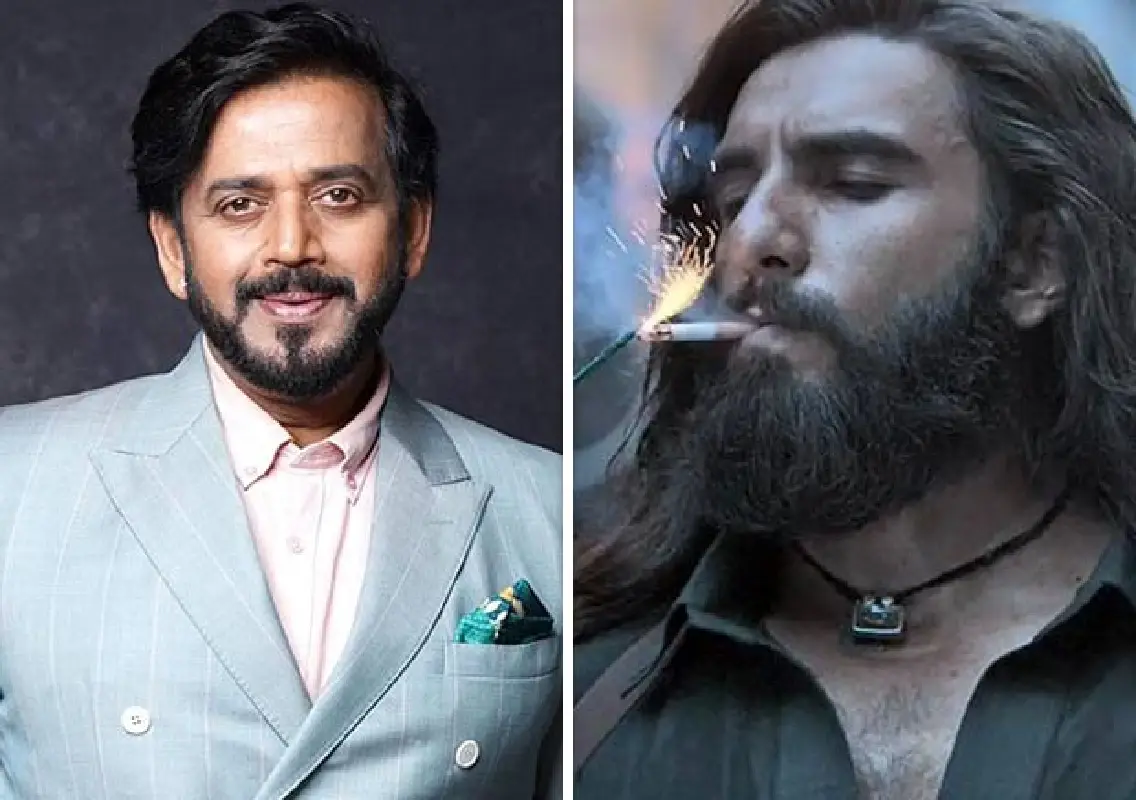
Bollywood actor and BJP Member of Parliament Ravi Kishan has stepped forward to defend the controversial film “Dhurandhar,” dismissing allegations that it serves as political propaganda ahead of the upcoming elections.
Speaking to reporters at a press conference in Mumbai, Kishan emphasized that the film, which depicts certain political events, should be viewed as a creative work rather than a campaign tool. “Cinema is an art form that reflects society. ‘Dhurandhar’ simply presents certain historical events from a perspective that hasn’t been widely shown before,” Kishan stated.
The film, directed by acclaimed filmmaker Rajat Sharma, has sparked heated debate across political circles since its trailer release last week. Opposition parties have criticized the timing of the release, claiming it attempts to sway voters just months before general elections.
“To call this propaganda is an insult to the creative team who spent years researching and developing this project,” Kishan said. “The film began production long before election dates were announced, and its release schedule follows industry norms.”
The controversy surrounding “Dhurandhar” highlights the increasingly blurred lines between entertainment and political messaging in India’s film industry. Over the past decade, politically themed films have become more common, often releasing near election periods and sparking similar debates about their intent and impact.
Film industry analysts note that “Dhurandhar” is part of a growing trend of political biopics and historical dramas that have performed well at the box office. Last year alone, three major releases centered on political figures generated over ₹500 crore in combined revenue.
“The film industry has discovered that audiences are interested in political narratives, especially those that offer perspectives different from mainstream media coverage,” explained Ramesh Gupta, a film trade analyst with BoxOfficeIndia. “Whether these films actually influence voting behavior remains debatable, but they certainly stimulate public discourse.”
The Central Board of Film Certification (CBFC) cleared “Dhurandhar” with a U/A certificate after suggesting minor edits to certain scenes. While opposition leaders have called for the Election Commission to review the film’s content before its release, no official action has been taken thus far.
Kishan, who plays a supporting role in the film, rejected suggestions that his political affiliation influenced his participation. “I’ve been an actor for decades, long before entering politics. I choose roles based on artistic merit and storytelling potential, not party lines,” he asserted.
The film’s producers, Panorama Studios, have maintained that “Dhurandhar” aims to present an unbiased account of events that shaped modern Indian politics. In a statement released yesterday, they emphasized their commitment to factual accuracy and artistic integrity.
“We conducted extensive research and consulted multiple sources to ensure balanced representation,” the statement read. “Our goal is to encourage viewers to form their own opinions rather than dictating a particular viewpoint.”
Media scholars have pointed out that the controversy itself may boost the film’s visibility and box office prospects. “The debate surrounding political content often generates free publicity that studios would otherwise spend millions to achieve,” noted Dr. Shalini Verma, professor of media studies at Delhi University.
“Dhurandhar” is scheduled for nationwide release next month, with advance bookings already showing strong interest in major metropolitan areas. The film’s star-studded cast includes several prominent actors alongside Kishan.
As the release date approaches, the debate is likely to intensify, particularly on social media platforms where clips from the film have already generated millions of views and thousands of comments.
Whether viewed as legitimate artistic expression or calculated political messaging, “Dhurandhar” underscores the powerful role cinema continues to play in India’s public discourse, where the worlds of entertainment and politics increasingly converge.
Fact Checker
Verify the accuracy of this article using The Disinformation Commission analysis and real-time sources.

8 Comments
It’s understandable why the film’s release timing raises eyebrows, but I appreciate the MP’s defense of the creative team’s work. Movies can explore complex topics if done thoughtfully. I’ll reserve judgment until I see ‘Dhurandhar’ for myself.
Hmm, this seems like a contentious issue. I’m curious to learn more about the filmmakers’ intentions and research process. Responsible historical drama can be valuable, but care must be taken to avoid veiled propaganda.
It’s understandable why the timing of this film’s release would raise concerns about political motives. However, I appreciate the MP’s defense of the creative team’s work. As an art form, cinema can explore societal issues if done thoughtfully and objectively.
This debate highlights the need to ensure creative works don’t become veiled political messaging, even if unintentionally. I’m curious to learn more about the filmmakers’ research and creative process to better understand their intentions.
Allegations of political propaganda are serious. I hope the filmmakers can demonstrate their creative process was driven by genuine artistic vision, not election-year timing. Balanced historical depictions are valuable, but must avoid undue influence.
The timing of this film’s release certainly raises questions. However, I appreciate the MP’s defense of the creative team’s work. As an art form, cinema can reflect complex societal issues if done thoughtfully and objectively.
This debate highlights the importance of distinguishing genuine artistic expression from thinly veiled political propaganda. I hope the filmmakers can demonstrate their creative process was driven by a sincere desire to explore historical events, not influence voters.
Interesting debate around this film. While art can reflect society, it’s important to ensure creative works don’t become veiled political messaging. I’m curious to see the film and judge it on its artistic merits rather than partisan agendas.