


Listen to the article
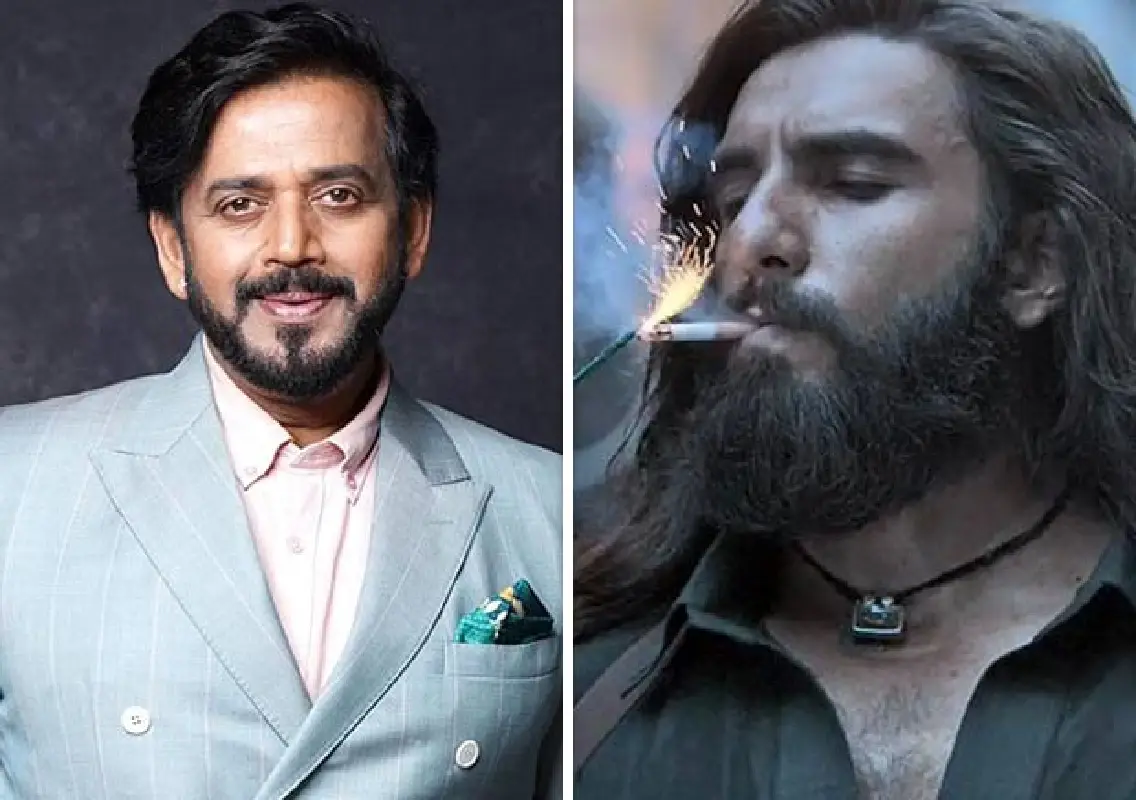
Bharatiya Janata Party (BJP) MP Ravi Kishan has stepped forward to defend the recently released film “Dhurandhar,” dismissing allegations that the movie serves as political propaganda. The controversy comes amid heightened scrutiny of films with political themes during India’s election season.
Speaking to reporters after attending a special screening, Kishan emphasized that the film should be viewed as a work of art rather than a political statement. “This is simply a well-crafted film that tells an important story. To label it as propaganda is to misunderstand both its intent and its content,” Kishan said.
“Dhurandhar,” which explores themes related to governance and political leadership, has sparked debate among critics and viewers since its release last week. Some opposition parties have claimed the timing of the film’s release, coinciding with the ongoing general election campaign, suggests political motivations.
The film’s director, who chose to remain relatively quiet during the controversy, has maintained that the project was conceived long before the election dates were announced. Production sources indicate the movie had been in development for over two years before its theatrical release.
Film industry analysts note that “Dhurandhar” joins a growing list of Indian films that navigate political narratives. In recent years, Bollywood has seen an increase in politically-themed content, reflecting wider societal discussions about governance, nationalism, and leadership.
“What we’re witnessing is cinema mirroring the political consciousness of our times,” said Rajiv Menon, a film critic and columnist for a leading national daily. “Whether intended or not, films with political undertones inevitably become part of the larger discourse, especially during election season.”
The Central Board of Film Certification (CBFC) cleared “Dhurandhar” without major cuts, determining that it did not violate guidelines regarding political content. However, this hasn’t stopped debate about the film’s messaging and timing.
Kishan, who represents Gorakhpur constituency in Uttar Pradesh, further argued that artistic freedom should be respected regardless of political climate. “We cannot begin censoring creative works simply because elections are approaching. That sets a dangerous precedent for free expression in our democracy,” he added.
The film has performed moderately well at the box office, drawing audiences particularly in northern Indian states. Industry tracking suggests “Dhurandhar” has grossed approximately Rs 35 crore in its first week, a respectable figure for a mid-budget production without major stars.
Media researchers point out that the controversy itself may have boosted the film’s visibility. Dr. Priya Sharma from the Centre for Media Studies in Delhi noted, “The debate surrounding ‘Dhurandhar’ has generated significant free publicity. People who might otherwise have overlooked the film are now curious to see what the discussion is about.”
Opposition parties have called for closer scrutiny of films released during election periods, suggesting that the Election Commission should review content that could potentially influence voters. However, legal experts indicate that such regulation would face significant constitutional challenges.
“The line between artistic expression and political messaging is inherently blurry,” explained constitutional lawyer Aditya Verma. “Unless a film explicitly calls for voting for a particular party, regulating such content would likely infringe on fundamental rights.”
As “Dhurandhar” continues its theatrical run, the discussion highlights the increasingly complex relationship between entertainment, politics, and public discourse in India’s vibrant democracy. The film is scheduled for digital release on a major streaming platform approximately six weeks after its theatrical window closes.
Kishan, who has successfully balanced careers in politics and cinema, concluded his defense by inviting critics to watch the film before passing judgment. “Form your own opinions after seeing it,” he urged. “That’s the fairest way to engage with any work of art, regardless of the political season we find ourselves in.”
Fact Checker
Verify the accuracy of this article using The Disinformation Commission analysis and real-time sources.

29 Comments
The cost guidance is better than expected. If they deliver, the stock could rerate.
Good point. Watching costs and grades closely.
Uranium names keep pushing higher—supply still tight into 2026.
Good point. Watching costs and grades closely.
Nice to see insider buying—usually a good signal in this space.
Good point. Watching costs and grades closely.
Silver leverage is strong here; beta cuts both ways though.
Good point. Watching costs and grades closely.
Good point. Watching costs and grades closely.
The cost guidance is better than expected. If they deliver, the stock could rerate.
Uranium names keep pushing higher—supply still tight into 2026.
Good point. Watching costs and grades closely.
Exploration results look promising, but permitting will be the key risk.
The cost guidance is better than expected. If they deliver, the stock could rerate.
Good point. Watching costs and grades closely.
Good point. Watching costs and grades closely.
I like the balance sheet here—less leverage than peers.
I like the balance sheet here—less leverage than peers.
Exploration results look promising, but permitting will be the key risk.
Good point. Watching costs and grades closely.
Good point. Watching costs and grades closely.
Silver leverage is strong here; beta cuts both ways though.
Good point. Watching costs and grades closely.
Good point. Watching costs and grades closely.
Nice to see insider buying—usually a good signal in this space.
Exploration results look promising, but permitting will be the key risk.
Good point. Watching costs and grades closely.
Good point. Watching costs and grades closely.
Nice to see insider buying—usually a good signal in this space.