


Listen to the article
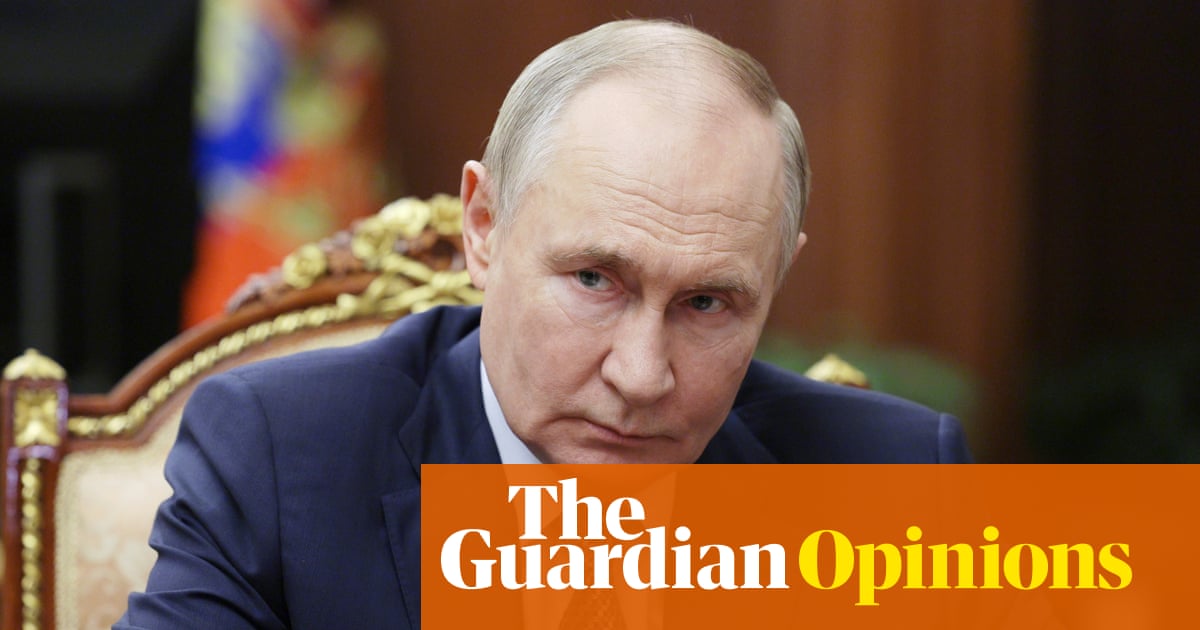
For a quarter of a century, Russian media have cultivated a carefully crafted narrative of Vladimir Putin as an infallible leader. State propaganda systematically shields the president from blame, either by ignoring setbacks completely or portraying Putin as the wise corrector of mistakes made by subordinates when problems cannot be ignored.
This manufactured image has significantly influenced foreign perceptions of the Russian president. Kremlin-backed online influence operations have amplified this portrayal, which has resonated with nationalist politicians worldwide who admire Putin’s authoritarian governance style and disregard for international norms.
Donald Trump, once Putin’s most prominent admirer on the global stage, has recently demonstrated a notable shift in his stance toward Moscow. While not abandoning his skepticism of democratic institutions, Trump has adopted a more confrontational approach with Russia, threatening additional sanctions if progress toward a ceasefire in Ukraine isn’t achieved by week’s end. The White House special envoy, Steve Witkoff, met with Putin on Wednesday, though details of their discussions remain undisclosed.
The reasons behind Trump’s evolving position remain speculative. June’s NATO summit appears to have been instrumental in reshaping his perspective on the alliance’s value and diminishing his trust in Putin’s peace overtures. Trump’s ego likely plays a significant role as well. Having campaigned on promises to swiftly end the Ukraine conflict, his initial strategy involved marginalizing Ukrainian President Volodymyr Zelenskyy while offering substantial territorial concessions to Russia—a position widely criticized as betraying a democratic ally and rewarding military aggression.
Despite these favorable terms, Putin rejected Trump’s proposed resolution and instead intensified military operations in Ukraine. This rebuff appears to have personally offended Trump, who is known for his sensitivity to perceived slights.
Putin’s strategic calculus remains equally obscure. He may be gambling that the U.S. will eventually pressure Ukraine into a land-for-peace settlement, incentivizing Russia to seize additional territory before American patience expires. However, Putin also finds himself constrained by his own rhetoric. Having framed the conflict as an existential battle against Western influence and characterized Ukraine as a wayward Russian province, he has committed Russia’s economy and military to what has become a war of attrition.
The Russian leader now faces a significant dilemma: his carefully cultivated image as a strategic military genius would be severely undermined if any peace agreement leaves Zelenskyy in power over a viable, independent Ukraine.
Putin’s determination to continue the brutal conflict appears driven less by strategic brilliance than by inertia and paranoia. Analysts suggest he fears ending hostilities on terms that might allow ordinary Russians to fully comprehend the pointless devastation the war has wrought.
The myth of Putin as a geopolitical mastermind functions primarily as propaganda—projecting strength where weakness exists and making Russian victory seem inevitable despite mounting evidence of strategic failures. Future historians will likely view Putin’s Ukraine invasion not as calculated genius but as the actions of a leader disconnected from reality, responsible for incalculable suffering with no justifiable strategic objective.
Fact Checker
Verify the accuracy of this article using The Disinformation Commission analysis and real-time sources.

7 Comments
This article provides a fascinating glimpse into the Kremlin’s efforts to shape perceptions of Putin. I’m curious to learn more about how these online influence operations have played out on the global stage.
Trump’s shift in stance toward Russia is noteworthy, though his skepticism of democratic institutions remains. It will be intriguing to see if this leads to any meaningful policy changes or if it’s just political posturing.
Given the longstanding ties between Trump and Putin, any shift in their relationship is certainly worth watching closely.
The details of the meeting between the White House envoy and Putin are sure to be revealing. I wonder what kind of progress, if any, was made toward a ceasefire in Ukraine.
It’s interesting to see how Putin’s propaganda machine has shaped foreign perceptions of him. Maintaining an image of infallibility must require a lot of effort, but it seems to have resonated with some authoritarian-leaning leaders worldwide.
Propaganda can be a powerful tool, but it can also reveal strategic weaknesses if overused. It will be important to look beyond the rhetoric and understand the underlying dynamics at play here.
The contrast between Putin’s strongman image and the potential strategic weaknesses it conceals is intriguing. It’s a good reminder that appearances can be deceiving, especially when it comes to geopolitics.