


Listen to the article
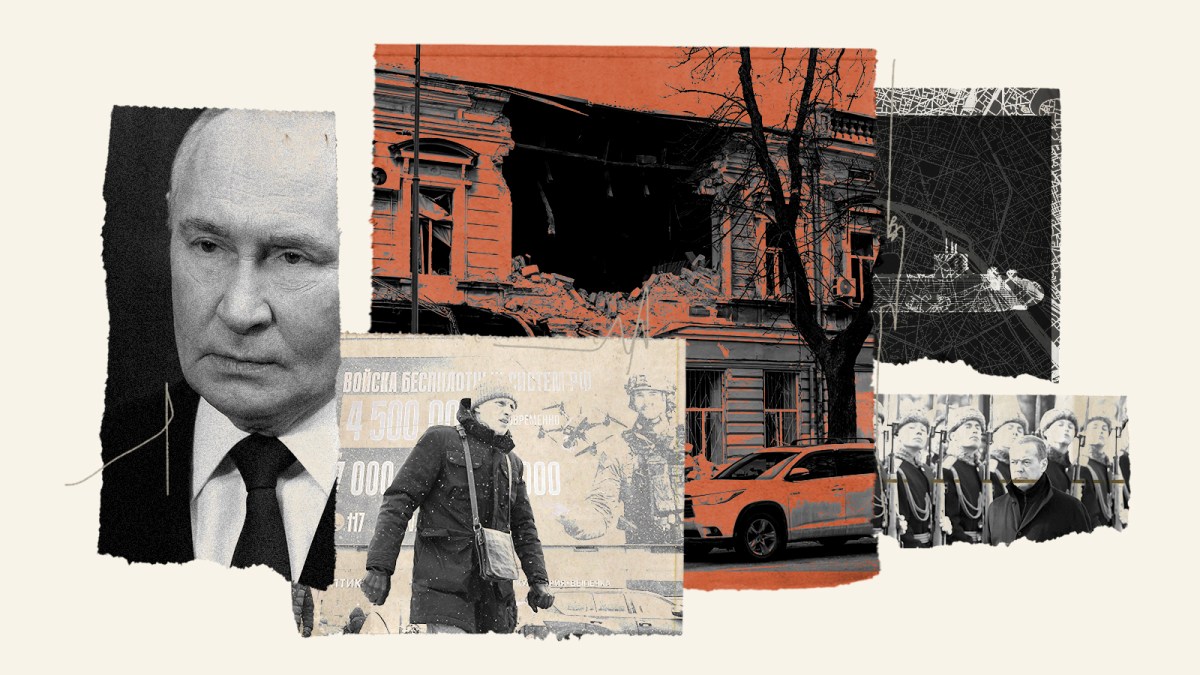
Russian propaganda efforts are intensifying as public support for the war in Ukraine shows signs of waning, according to recent reports from within Russia. President Vladimir Putin’s government has significantly ramped up its information campaign to maintain domestic backing for what it still refers to as a “special military operation.”
The Kremlin’s messaging strategy has evolved considerably since the war began over two years ago. Initially focused on the narrative of “denazifying” Ukraine, state media now increasingly portrays the conflict as an existential struggle against Western powers intent on destroying Russia.
“The propaganda machine has shifted into a higher gear,” says Mikhail Sokolov, an independent media analyst formerly based in Moscow. “What we’re seeing is a much more aggressive approach that frames the war as a defensive action against NATO rather than just an operation in Ukraine.”
This shift comes as polling data suggests growing war fatigue among ordinary Russians. While official polls continue to show high support for the military campaign, independent researchers point to a more complex picture beneath the surface statistics.
“People are increasingly tired of the economic consequences and the constant state of war,” explains Maria Petrova, a professor specializing in Russian media studies. “Many Russians still support Putin personally, but there’s a growing exhaustion with the conflict that’s becoming harder to ignore.”
The economic impact of Western sanctions has gradually penetrated everyday Russian life. While the economy has proven more resilient than many Western analysts initially predicted, rising prices, supply chain disruptions, and limited access to certain goods have affected living standards across the country.
State television has responded by doubling down on patriotic messaging. Prime-time programs now routinely feature extended segments celebrating Russian military achievements and portraying Ukrainian forces as NATO puppets. Fallen soldiers are honored as national heroes, with their sacrifices framed as necessary contributions to Russia’s survival.
Social media has become another critical battleground. The Russian government has invested heavily in digital propaganda, creating networks of accounts that amplify pro-war content across platforms that remain accessible despite restrictions. Meanwhile, independent voices face severe consequences, with thousands of Russians arrested for anti-war statements since the conflict began.
“The digital strategy is particularly sophisticated,” notes Alex Younger, a former British intelligence official. “It combines traditional propaganda techniques with modern social media manipulation to create an information environment where questioning the war narrative becomes socially unacceptable.”
Education has also become a key vector for state messaging. New patriotic curriculum additions have been introduced across Russian schools, teaching children about the “justness” of Russia’s actions in Ukraine. Teachers who deviate from official narratives face professional consequences or dismissal.
The Orthodox Church has similarly been enlisted in the propaganda effort, with Patriarch Kirill regularly blessing the military campaign and framing it as a spiritual struggle against Western values.
Despite these comprehensive efforts, cracks in public support appear to be widening. Recruitment centers have struggled to meet military quotas in some regions, leading to increasingly generous financial incentives for volunteers and more aggressive conscription practices.
“The fact that they’re having to intensify the propaganda suggests the Kremlin recognizes this challenge,” says Keir Giles, a Russia expert at Chatham House. “Maintaining domestic support becomes progressively harder the longer the conflict continues without clear resolution.”
International observers note that Russia’s information strategy has implications beyond its borders. Russian state media continues to target audiences in Africa, Latin America, and parts of Asia with narratives that frame the Ukraine conflict as a result of Western aggression.
As the war approaches its third year, the sustainability of Russia’s domestic propaganda strategy remains uncertain. While the Kremlin has demonstrated remarkable resilience in controlling information flow within Russia, the combination of economic pressures, military casualties, and simple war fatigue presents a growing challenge to maintaining public support.
What seems clear is that Putin’s government considers the information front as important as the military one, suggesting that propaganda efforts will only intensify as the real-world challenges of sustaining the war effort continue to mount.
Fact Checker
Verify the accuracy of this article using The Disinformation Commission analysis and real-time sources.

12 Comments
The fact that the Kremlin is ramping up its propaganda efforts so aggressively is a clear indication that it is feeling the pressure of growing war fatigue among the Russian public. This is a worrying development that bears close watching.
The Kremlin’s shift in messaging, framing the war as a defensive action against NATO, is a cynical ploy to stoke nationalist sentiment and distract from the realities on the ground. It’s a desperate attempt to counter the rising tide of war fatigue among the Russian people.
The Kremlin’s escalation of its propaganda campaign is a concerning development. It suggests a growing desperation to maintain the narrative and counter the rising tide of war fatigue among the Russian people.
While the official polls may still show high support, it’s clear that the reality on the ground is more complex. The Russian public appears to be growing increasingly fatigued by this prolonged conflict, despite the government’s propaganda efforts.
The Kremlin’s increasingly aggressive propaganda campaign is a clear sign that it is feeling the pressure of growing war fatigue among the Russian public. This shift in messaging, framing the conflict as a defensive action against NATO, is a transparent attempt to rally nationalist sentiment and distract from the realities on the ground.
This shift in the Russian government’s messaging strategy is a troubling sign. Framing the war as a defensive action against NATO is a transparent attempt to rally nationalist sentiment and distract from the realities on the ground.
It’s distressing to see the Russian government resort to increasingly aggressive propaganda tactics as public sentiment shifts. The framing of the war as a defensive action against NATO is a transparent attempt to rally nationalist sentiment.
You’re right, the Kremlin’s messaging strategy has become much more manipulative. Portraying the conflict as an existential struggle is a cynical ploy to stoke fears and override growing war weariness.
It’s disturbing to see the Russian government resorting to such blatant disinformation and manipulation in an attempt to maintain public support for the war. The international community must continue to call out these propaganda tactics in the strongest possible terms.
This escalation of Russian propaganda is deeply concerning. As war fatigue grows, the Kremlin seems intent on doubling down on its false narratives to maintain public support. I hope the international community continues to call out these blatant disinformation efforts.
This escalation of Russian propaganda is a concerning development. As the public’s support for the war appears to be waning, the government is doubling down on its false narratives in a bid to maintain control of the narrative. The international community must remain vigilant in calling out these disinformation efforts.
It’s deeply troubling to see the Russian government resorting to such blatant disinformation and manipulation in an attempt to maintain public support for the war. The international community must continue to call out these propaganda tactics and expose the Kremlin’s true motives.