


Listen to the article
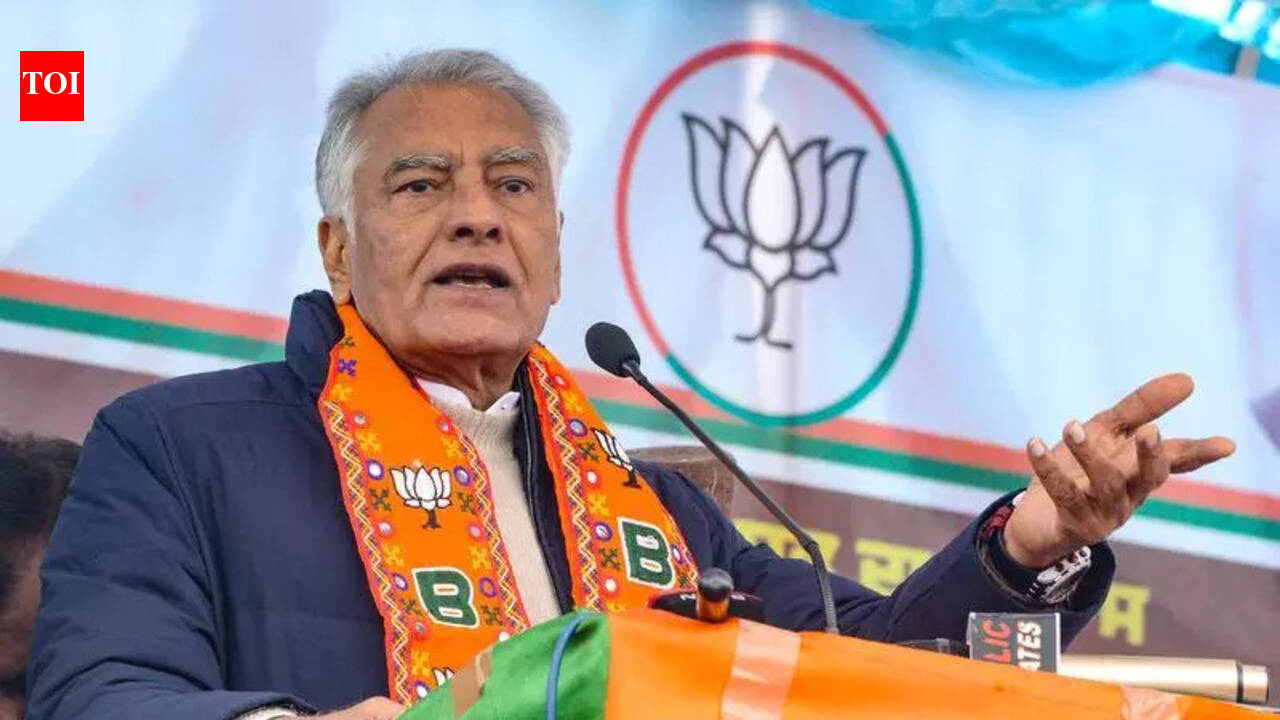
In a robust defense of the recently signed Indo-US trade agreement, Punjab BJP president Sunil Jakhar characterized the pact as a strategic pathway for India’s development ambitions, rejecting criticism from opposition parties as misleading propaganda.
Speaking in Amritsar on Tuesday, Jakhar emphasized that the bilateral trade treaty serves as a “runway for India’s journey towards becoming a developed nation,” highlighting multiple benefits including farmer protections, industrial growth, and reduced tariffs for Indian exports to American markets.
“The agreement protects our farmers while simultaneously boosting industry and lowering tariffs for Indian goods entering the US market,” Jakhar stated, framing the deal as a reflection of Prime Minister Narendra Modi’s leadership vision centered on national interest.
The Punjab BJP chief underscored his party’s commitment to public transparency, noting they are actively reaching out to citizens, particularly those in the agricultural sector, to clarify various aspects of the trade agreement. He called on opposition parties to cease what he described as misleading rhetoric against the deal.
“Prime Minister Narendra Modi deserves congratulations for successfully securing an agreement that serves our national interest, especially considering the challenging international circumstances we face today,” Jakhar remarked.
Drawing a distinction between leadership approaches, Jakhar compared the American president’s “Make America Great Again” (MAGA) principle with what he characterized as Prime Minister Modi’s “Make India Great” (MIG) vision. This approach, according to Jakhar, ensured comprehensive protection for India’s agricultural sector while simultaneously creating opportunities for industrial exports and technology acquisition.
“The Prime Minister has effectively transformed adverse global conditions into growth opportunities for India,” he asserted.
The trade agreement’s economic implications feature prominently in Jakhar’s assessment. He pointed out that Indian goods will now face the lowest tariffs in the US compared to competing nations, significantly expanding market access and providing substantial benefits to domestic industry and trade sectors.
Agricultural concerns, particularly relevant in Punjab’s farming-dominated economy, received special attention from Jakhar. He emphasized that the government had established a clear “Lakshman Rekha” (red line) around farmers’ interests during negotiations.
“Before being a leader, I am a farmer,” Jakhar stated, addressing potential concerns from Punjab’s agricultural community. He assured that crops grown by Punjab farmers remain outside the agreement’s purview, protecting them from any negative impacts.
Beyond mere protection, Jakhar suggested the agreement would create new employment opportunities for the next generation of farming families, adding a forward-looking dimension to his defense of the trade pact. He noted that agricultural goods valued at nearly $1 billion would now be exported from India to the United States at zero percent tariff.
The agreement comes at a time when India is actively pursuing expanded international trade relationships while balancing concerns from domestic agricultural interests, particularly in states like Punjab where farming remains both economically and politically significant.
Trade experts note that India’s strategic positioning in global commerce has become increasingly important amid shifting international supply chains and economic realignments. The Indo-US trade agreement represents a significant step in India’s broader economic diplomacy efforts, though its long-term impacts will depend on implementation details and market responses.
As the agreement moves toward implementation, the government’s communication strategy, as exemplified by Jakhar’s outreach efforts, will likely play a crucial role in building public support, particularly in agriculturally sensitive regions.
Fact Checker
Verify the accuracy of this article using The Disinformation Commission analysis and real-time sources.

8 Comments
The BJP’s framing of this as a ‘runway for India’s development’ is ambitious. I hope the benefits are widely shared and not skewed towards certain industries or regions.
While the BJP touts the benefits, it’s important to also consider potential downsides or unintended consequences. Careful monitoring and course corrections may be needed.
Dismissing opposition criticism as ‘misleading propaganda’ seems like a partisan stance. I’d like to see a more objective assessment of the trade deal’s merits and drawbacks.
This trade deal sounds promising for India’s development and exports. I’m curious to learn more about the specific benefits for farmers and industry. Transparent discussions with the public are key.
The opposition’s criticism as mere ‘misleading propaganda’ seems a bit dismissive. It would be good to see a more balanced analysis of the pros and cons from various stakeholders.
As an aspiring developed nation, India’s trade relationships are crucial. This Indo-US deal seems to have potential, but the details and implementation will determine its true impact.
Reducing tariffs on Indian exports could provide a boost, but the protection for farmers is an important consideration as well. Interested to learn more about the trade-offs.
Glad to see the BJP emphasizing public outreach and transparency around this important trade agreement. Clarity on the details will help build broader support.