


Listen to the article
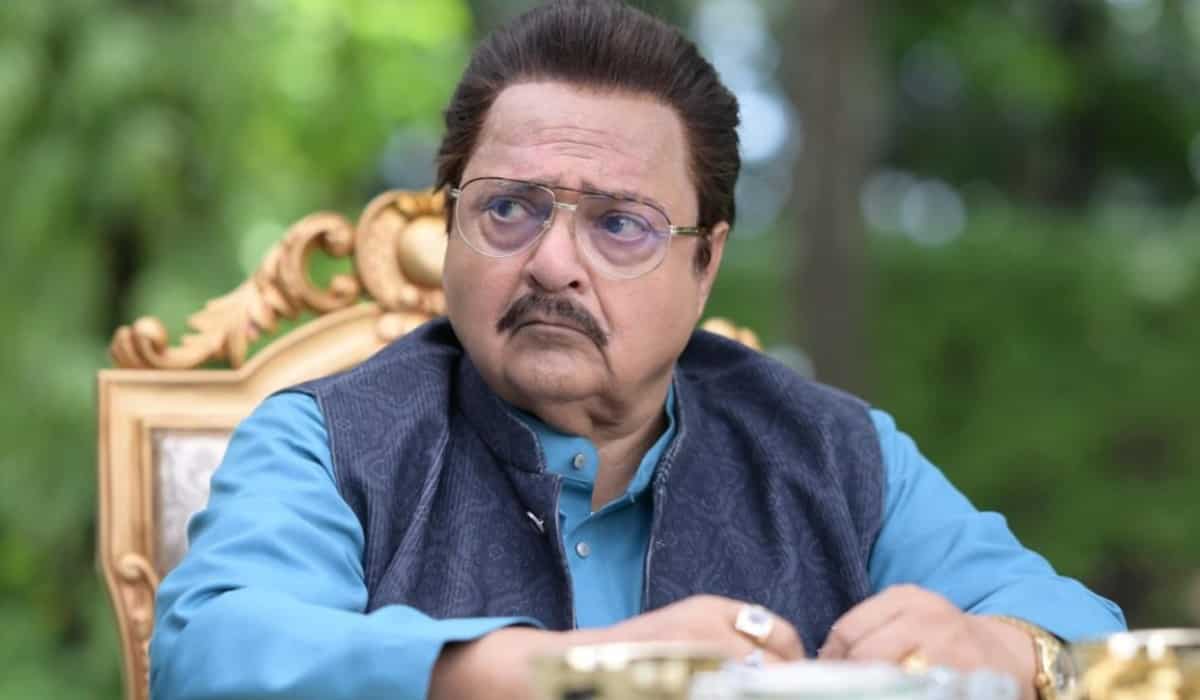
In a bold rebuke to critics calling his latest project “propaganda,” veteran actor Rakesh Bedi has defended the box office hit “Dhurandhar: The Revenge,” emphasizing the film’s popularity with audiences over ideological classifications.
“I don’t believe in politics. I believe in cinema,” Bedi stated in a recent NDTV interview. “Everybody has the right to like or dislike a film, but I don’t think it’s right to put a film into some kind of category, whether it’s pro-establishment or anti-establishment. The verdict is that people are loving it.”
The actor’s comments come amid growing debate in India’s film industry about the blurring lines between entertainment and political messaging. While defending “Dhurandhar,” Bedi made an apparent reference to Kangana Ranaut’s biographical drama “Emergency,” noting that previous films about political figures like Indira Gandhi and Prime Minister Narendra Modi failed to connect with audiences in the same way.
Ranaut’s “Emergency,” released in 2025, saw the actress both direct and star as former Prime Minister Indira Gandhi. The historical drama, which depicted the controversial 21-month period of emergency rule from 1975 to 1977, struggled commercially, earning just Rs. 18.40 crore worldwide despite its high-profile subject matter.
By contrast, “Dhurandhar: The Revenge” has set new benchmarks for commercial success in Bollywood, with industry analysts pointing to its production values and storytelling approach as key factors in its popularity. The film represents a significant evolution in how Indian cinema portrays complex geopolitical narratives while maintaining mass appeal.
Directed by Aditya Dhar, whose previous work includes the patriotic action film “URI: The Surgical Strike,” the 2026 release continues the story of undercover RAW agent Jaskirat Singh Rangi, portrayed by Bollywood heavyweight Ranveer Singh. The character operates under the alias Hamza Ali Mazari, infiltrating Pakistan’s criminal underworld after eliminating a notorious figure named Rehman Dakait.
The film’s plot follows Jaskirat’s rise through Karachi’s dangerous Lyari gang territory while facing off against formidable adversaries played by Arjun Rampal as Major Iqbal and industry veteran Sanjay Dutt as SP Chaudhary Aslam. Alongside these personal confrontations, the narrative tackles broader themes involving terrorist networks and cross-border intelligence operations.
Film industry observers note that “Dhurandhar” arrives at a time when Indian audiences have shown increasing appetite for nationalism-themed content, though many such projects have faced criticism for potentially oversimplifying complex geopolitical issues. The film’s commercial success amid such debates suggests Dhar has found a formula that satisfies both entertainment demands and patriotic sentiment.
Bedi’s performance in particular has garnered significant critical acclaim, with many reviewers highlighting his nuanced portrayal as a standout element in an action-heavy narrative. The role represents something of a departure for the actor, who built his career primarily on comedic performances.
Following its theatrical run, “Dhurandhar: The Revenge” will stream exclusively on JioHotstar, India’s leading digital platform. The digital release is expected to further expand the film’s audience reach, particularly among younger viewers who increasingly consume content through streaming services.
The ongoing discussion around “Dhurandhar” reflects broader tensions in India’s entertainment industry, where films touching on national security, historical figures, or cross-border relations often become lightning rods for political debate. As Bollywood continues producing high-budget, technically sophisticated films in this genre, the conversation about artistic expression versus political messaging seems likely to intensify.
For now, Bedi’s focus remains on the film’s reception rather than the surrounding controversy. “The verdict,” as he puts it, “is that people are loving it.”
Fact Checker
Verify the accuracy of this article using The Disinformation Commission analysis and real-time sources.

12 Comments
While I can appreciate the public support, I’m a bit skeptical of claims that this isn’t political propaganda. Everything has an agenda, whether implicit or explicit. Still, I’m curious to learn more about the nuances and intent behind this project.
I share your skepticism. Even if the creators claim it’s not political, the fact that it’s generating this much debate suggests there’s likely more going on beneath the surface. Unpacking those layers will be important.
I’m always intrigued by the evolving relationship between entertainment and political messaging. It’s a delicate balance, and it seems like this project has found a way to connect with audiences beyond partisan divides. Kudos to the team for that achievement.
You raise a really good point. Navigating that line between entertainment and political influence is tricky, but it sounds like this initiative has managed to find a sweet spot that’s resonating broadly.
It’s interesting to see the contrast between the critical reception and the public’s embrace of this initiative. I wonder if there’s a disconnect between the intellectual/ideological framing and the emotive/experiential response from audiences. Either way, it clearly has struck a chord.
That’s a really insightful observation. The divergence between critical and public opinion is often revealing. Understanding the underlying drivers of that disconnect could shed light on the true nature and impact of this initiative.
Fascinating to see public opinion so strongly favoring this new initiative. I wonder what factors are driving this positive reception? Is it the content, the execution, or something else that’s resonating with audiences?
That’s a great question. It would be interesting to dive deeper into the specifics of what’s resonating with the public and why this initiative seems to be striking a chord.
The blurring of lines between entertainment and political messaging is a complex issue without easy answers. While I can appreciate the team’s perspective, I think it’s important to remain vigilant about the potential for subtle influence, even in seemingly apolitical projects. The public’s response is interesting, but not the whole story.
I agree that nuance and context are crucial here. Even if the creators claim neutrality, the power of storytelling and the emotive impact of entertainment should not be underestimated when it comes to shaping public opinion, whether intentionally or not.
I’m glad to see the team defending their work against political categorization. Art and entertainment should be judged on their own merits, not forced into ideological boxes. If the public is responding positively, that speaks volumes about the project’s resonance and quality.
Well said. Artistic expression shouldn’t be constrained by political agendas. As long as the work connects with audiences, that should be the primary measure of its value, regardless of ideological framing.