


Listen to the article
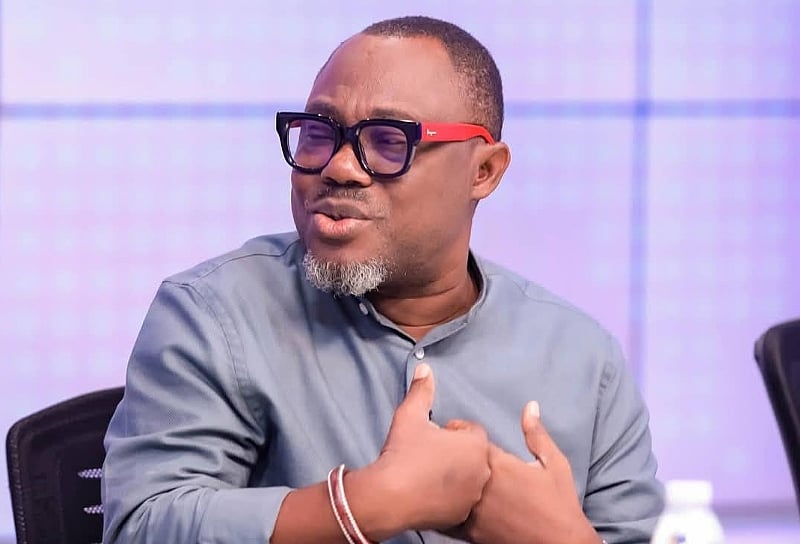
In a pointed response to growing criticism, Ghana Shippers Authority CEO Prof. Ransford Edward Van Gyampo has forcefully rejected what he describes as a calculated effort to misrepresent his previous statements on reparations. The controversy erupts as critics attempt to undermine President John Dramani Mahama’s recent diplomatic achievement at the United Nations.
Prof. Gyampo claims political opponents have deliberately extracted and circulated a selective portion of his television discussion on reparations, presenting it as opposition to the initiative. According to the CEO, this edited clip fails to capture the nuanced academic analysis he provided during the complete discussion.
“The video being circulated is simply a curled excerpt that distorts my comprehensive position on the subject,” Gyampo explained. “My full analysis, which is part of standard academic teaching at the University of Ghana, acknowledges reparations as a justified demand given the historical injustices of the transatlantic slave trade.”
The professor clarified that his complete discussion examined both the merits and potential limitations of reparations as a development strategy. While supporting the concept, he had also highlighted internal challenges such as corruption, waste, and problematic governance attitudes that could potentially undermine the benefits of any reparations if not properly addressed.
This controversy emerges against the backdrop of President Mahama’s significant diplomatic breakthrough at the United Nations. The Ghanaian leader recently secured international recognition of the transatlantic slave trade as a crime against humanity—a historical milestone in Ghana’s long-standing advocacy for addressing colonial-era injustices.
Reparations have become an increasingly prominent topic across Africa and the Caribbean in recent years. Countries that benefited from slavery and colonialism face mounting pressure to acknowledge and provide compensation for historical exploitation that contributed significantly to their wealth while impeding development in affected regions.
Ghana, as home to numerous slave castles and historical sites connected to the transatlantic trade, has positioned itself as a leading voice in these discussions. The country has invested substantially in heritage tourism and historical education around these sites, drawing thousands of diaspora visitors annually.
Prof. Gyampo characterized the selective use of his comments as “nation-wrecking propaganda” and part of a broader political strategy by opponents seeking to discredit government achievements for political advantage. He expressed concern that such misinformation could undermine public support for President Mahama’s reparations agenda.
“The complete discussion is available in archives and clearly demonstrates that my position supports reparations while calling for necessary internal reforms,” Gyampo insisted. “This selective editing represents a disturbing attempt to create division where there should be national unity on addressing historical injustices.”
The GSA CEO further expressed confidence that ongoing governance reforms under the government’s “reset agenda” will address systemic challenges, ensuring that any future reparations would yield meaningful development outcomes for Ghana.
Political analysts note that the controversy reflects the increasingly polarized political environment in Ghana ahead of upcoming elections, where developmental achievements and international diplomacy often become contentious battlegrounds between major parties.
Prof. Gyampo concluded by urging the public to critically assess information being circulated and resist what he described as deliberate attempts to mislead through selective presentation of facts for political purposes.
Fact Checker
Verify the accuracy of this article using The Disinformation Commission analysis and real-time sources.

12 Comments
This situation highlights the need for balanced, factual reporting on complex issues like reparations. Distorting academic analysis serves no constructive purpose.
This is an interesting debate around reparations for the transatlantic slave trade. It’s good to see nuanced academic analysis on such a complex and sensitive topic, rather than just political posturing.
Agreed, it’s important to understand the full context and avoid cherry-picking quotes. Reparations are a contentious issue with valid arguments on both sides.
I’m curious to learn more about Prof. Gyampo’s comprehensive position on reparations. His critique of the edited clip highlights the importance of accessing full source material.
I appreciate Prof. Gyampo’s efforts to clarify his position and defend the integrity of his scholarship. Maintaining academic freedom is vital in these discussions.
The controversy over Prof. Gyampo’s reparations views underscores the political sensitivities around this topic. Careful, impartial analysis is essential.
The attempt to undermine Ghana’s UN achievement through this reparations debate is concerning. I hope the full context of Prof. Gyampo’s views can be properly examined.
Agreed, using reparations as a political football to score points is counterproductive. The nuances of this debate deserve serious, good-faith engagement.
This controversy raises important questions about the role of reparations in Ghana’s development strategy. The historical injustices of the slave trade deserve serious consideration.
It’s good to see the CEO defending his academic work and calling out the selective use of his statements. Maintaining integrity in public discourse is crucial.
The misrepresentation of Prof. Gyampo’s views is concerning. Undermining Ghana’s diplomatic achievements at the UN through selective editing is a worrying tactic.
Absolutely, distorting academic analysis for political gain is unethical. Transparent and nuanced discussions are essential on complex historical issues like this.