


Listen to the article
Russian Propaganda Concerns Resurface in Italy Following Secret Bologna Festival
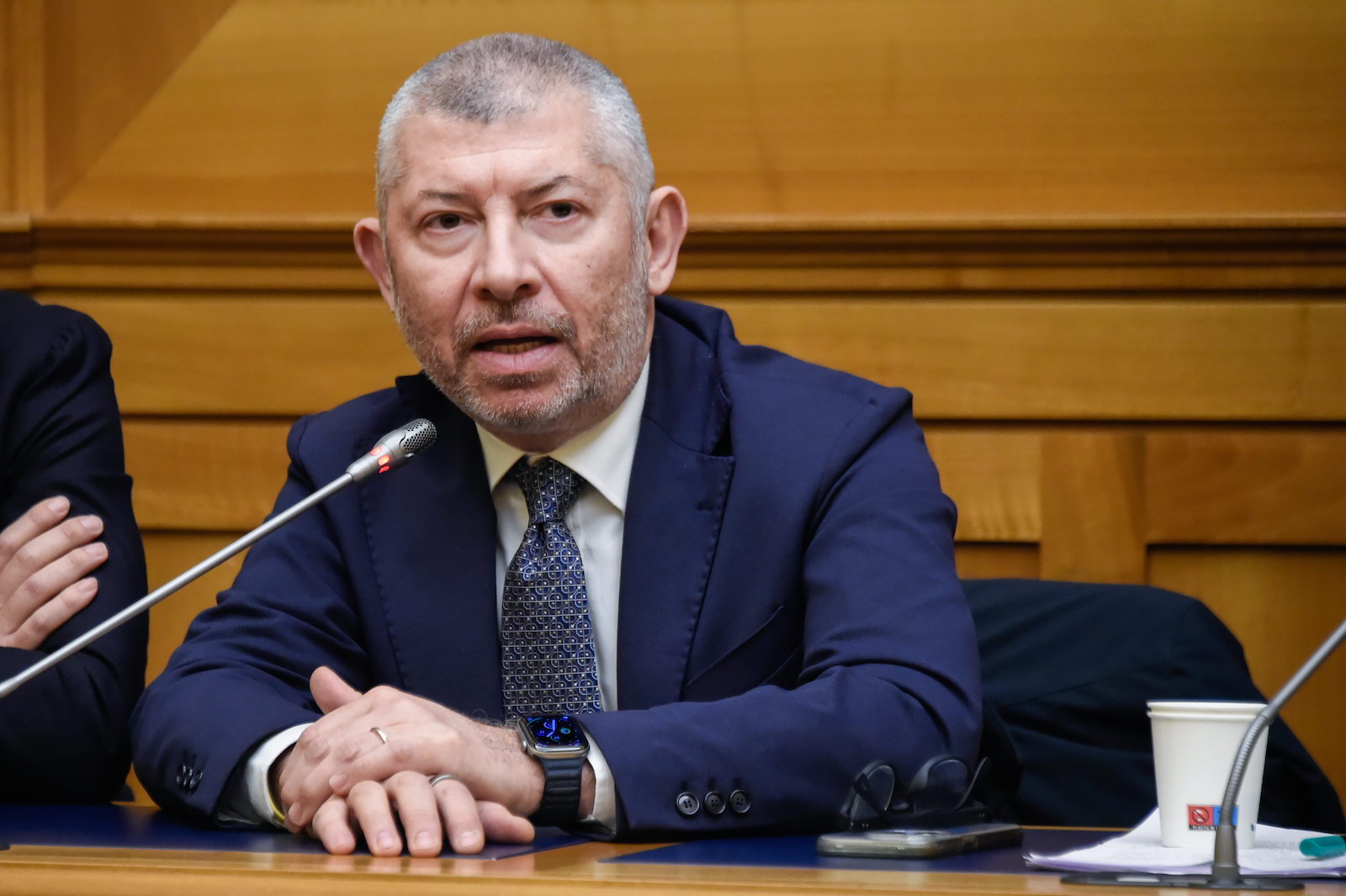
A festival linked to Russia Today, organized through secretive methods in Bologna province, has raised fresh alarms over Russian propaganda efforts in Italy. Senator Ivan Scalfarotto of Italia Viva has urged the Italian government to investigate the legality and transparency of the event, warning it represents part of a broader strategy to undermine Western democracies.
The “itinerant” festival, scheduled for April 11-12 in the Bologna area, has drawn scrutiny due to its unusual operational methods. Locations are being kept secret until the last moment and revealed only to registered participants—a tactic that Scalfarotto describes as “typical of propaganda circuits seeking to evade scrutiny and institutional oversight.”
“We are dealing with content linked to Russia Today, which is sanctioned by the European Union and included on its blacklist,” Scalfarotto explained in an interview. The senator has submitted a formal parliamentary question to the government, requesting verification of whether the event complies with European regulations and Italian law.
What particularly concerns officials is the festival’s content, which reportedly reproduces narratives aligned with Kremlin interests, especially regarding the war in Ukraine and criticisms of Western involvement. “This is not media pluralism, but a structured operation aimed at spreading a one-sided view aligned with Russian interests,” Scalfarotto stated.
The senator’s inquiry also raises questions about public security. “When organizing a public event, authorities must know where and how it takes place,” he emphasized. “It is legitimate to ask whether public security authorities have been informed and whether they are able to monitor what happens.”
The Bologna festival appears to be just one manifestation of what Italian officials describe as Russia’s broader influence operations within the country. Italy has historically been viewed as potentially vulnerable to such campaigns due to cultural and political currents that have often been critical of Western institutions and American influence.
“Russian propaganda in Italy is pervasive and taps into pre-existing cultural and political currents that have historically been critical of the West and the United States,” Scalfarotto noted. “This makes our country particularly exposed. It is no coincidence that Russia sees Italy as a potential weak point within the front of liberal democracies.”
The situation reflects a larger geopolitical confrontation between competing systems of governance. “This is not just a war between Russia and Ukraine, but a confrontation between two visions of the world: on one side, liberal democracy, the rule of law, and individual freedoms; on the other, an authoritarian model that tends to compress rights and pluralism,” the senator explained.
Analysts note that Italy’s media landscape has demonstrated particular vulnerability to disinformation campaigns. A troubling pattern has emerged in public discourse that Scalfarotto characterizes as a “double standard”—a tendency to harshly criticize Western democracies while showing leniency toward authoritarian regimes like Russia, Iran, China, and Turkey.
The ultimate concern, according to security experts, is the gradual normalization of anti-Western narratives that undermine faith in democratic institutions. “The risk is the normalization of narratives that delegitimize liberal democracy and make alternative models based on authoritarianism and control appear acceptable,” Scalfarotto warned.
Italy’s response to this challenge could prove crucial not only for its own political landscape but also for the broader European approach to Russian information operations. The government’s handling of this Bologna festival may signal whether Italy is prepared to take a more assertive stance against foreign influence campaigns operating within its borders.
For now, officials await answers to Scalfarotto’s parliamentary questions, as concerns grow about the increasingly sophisticated methods being employed to circumvent EU sanctions against Russian state media and their affiliated projects.
Fact Checker
Verify the accuracy of this article using The Disinformation Commission analysis and real-time sources.

10 Comments
Concerning news about this pro-Putin rally in Italy. We must be vigilant against foreign propaganda efforts that seek to undermine democratic processes. Transparency and scrutiny are crucial to counter such malign influence.
I agree, any events linked to Russia Today should be closely examined. The secretive nature of the festival’s operations is particularly worrying.
This is a troubling development. Russia has a long history of using media and cultural events to spread disinformation and sow division in Western countries. The Italian government must take this threat seriously.
Absolutely. Allowing such propaganda to proliferate unchecked could have serious consequences for Italy’s democratic institutions and social cohesion.
This is a concerning development that requires a robust response from the Italian government. Propaganda efforts linked to sanctioned entities like Russia Today must be countered swiftly and decisively to protect Italy’s democratic institutions.
The secretive nature of this festival is particularly troubling. Propaganda efforts that evade oversight and public scrutiny pose a serious threat to democratic societies. The Italian government must investigate this matter thoroughly.
I’m glad to see Italian officials taking this threat seriously. Allowing Russian propaganda to spread unchecked could have serious consequences for Italy’s democratic processes and social cohesion. Transparency and accountability are key.
This is a concerning development that deserves close scrutiny. Italy must remain vigilant against foreign actors seeking to undermine its democratic institutions through disinformation campaigns and propaganda.
I’m curious to learn more about the specific allegations against this festival. What evidence links it to Russia Today, and what are the main propaganda narratives it is suspected of promoting?
Good questions. The senator’s statements suggest there are concerns about the festival’s compliance with European regulations. More transparency around the event’s organizers and funding sources would help shed light on its true nature and intentions.