


Listen to the article
Pro-Iran Groups Leverage AI for Sophisticated Anti-US Propaganda Campaign
Pro-Iran groups have deployed artificial intelligence to create sophisticated internet memes in English as part of a coordinated effort to shape the narrative during the ongoing conflict with the United States and Israel, analysts report.
These digital propaganda efforts appear to originate from groups linked to Tehran’s government, representing a strategic approach to maximize Iran’s limited resources in its campaign against Western powers. The timing coincides with recent developments in the region, including Wednesday’s ceasefire agreement which, while offering temporary respite, leaves numerous issues unresolved.
“This is a propaganda war for them,” explains Neil Lavie-Driver, an AI researcher at the University of Cambridge. “Their goal is to sow enough discontent with the conflict as to eventually force the West to cave in, so it is massively important to them.”
The use of memes in geopolitical conflicts isn’t new, but their sophistication has evolved significantly with AI integration. Similar tactics emerged after Russia’s 2022 invasion of Ukraine, when AI-generated imagery flooded Ukrainian social media. During last year’s Israel-Iran tensions surrounding Israel’s attempts to disable Iran’s nuclear program, the term “AI slop” gained popularity to describe the deluge of imperfect images circulating online.
What distinguishes the current campaign, which began following joint US-Israel strikes on February 28, is the cultural fluency displayed in the content. The memes demonstrate not just English language proficiency but a deep understanding of American culture and effective trolling techniques. Posted across various social platforms, these images have garnered millions of views, though their actual influence remains difficult to quantify.
The content specifically targets President Donald Trump, portraying him as elderly, out of touch, and internationally isolated. The creators reference current events with remarkable speed, incorporating details like speculation about bruising on Trump’s hand, internal conflicts within his political base, and Defense Secretary Pete Hegseth’s contentious confirmation hearing.
“They’re using popular culture against the No. 1 pop culture country, the United States,” notes Nancy Snow, a scholar who has authored numerous books on propaganda.
One particularly sophisticated series mimics the style of “Lego” animated movies, featuring an Iranian military commander rapping, “You thought you ran the globe, sitting on your throne. Now we turning every base into a bed of stone,” while a Trump character falls into a target constructed of “Epstein files,” referencing the controversial investigation records of convicted sex offender Jeffrey Epstein.
Mahsa Alimardani, a director at the human rights group WITNESS, points to the sophisticated production value and internet access required for such content as evidence of government connection. “If you’re able to have the bandwidth needed to generate content like that and upload it, you are officially or unofficially cooperating with the regime,” she explained, noting Iran’s severe internet restrictions implemented during nationwide protests earlier this year.
Iranian state media has amplified these efforts by reposting memes, including content from the account “Akhbar Enfejari” (Explosive News), which produces the Lego-style videos. When contacted, this group described itself as “an independent group of Iranians” working voluntarily with no government connection or funding, stating their goal is to disrupt Western control of media narratives.
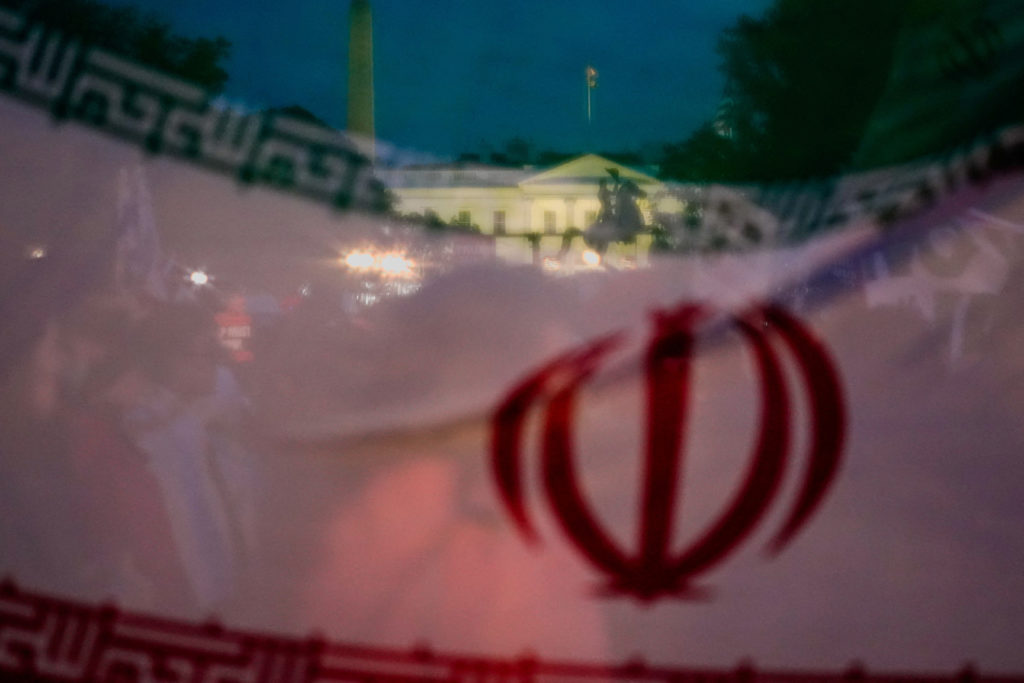
Official Iranian government accounts have also participated in the digital campaign. Following Wednesday’s ceasefire announcement, Iran’s Embassy in South Africa posted, “Say hello to the new world superpower,” alongside an image of the Iranian flag, as both the US and Iran claimed victory in the agreement.
Analysts attribute the propaganda campaign’s cultural awareness to decades of Iranian government programs promoting anti-US and anti-Israel narratives. “This meme war comes from institutions that are very aware what the American public is aware of and pop cultural references that can appeal to them,” Alimardani observed.
By contrast, the United States and Israel do not appear to be engaging in comparable digital campaigns targeted at Iranian audiences, partly due to Iran’s restrictive internet policies. Early in the conflict, Israeli Prime Minister Benjamin Netanyahu released an AI-enhanced video appearing to show him speaking Farsi, urging Iranians to overthrow their government. Meanwhile, White House social media efforts primarily target domestic audiences.
Voice of America, the US government’s international broadcast service, continues to broadcast in Farsi despite operating with reduced staffing since former President Trump ordered its closure.
Snow concluded, “This world order is really changing overnight and the U.S. is not going to end up necessarily as the state that everybody listens to,” highlighting the shifting dynamics of global information warfare.
Fact Checker
Verify the accuracy of this article using The Disinformation Commission analysis and real-time sources.

10 Comments
This is a concerning development that underscores the importance of maintaining vigilance and critical thinking when consuming online content. Fact-checking and media literacy will be essential tools in the fight against AI-powered propaganda.
This is a worrying trend that highlights the need for greater regulation and oversight of AI technologies, particularly when it comes to their potential for misuse in the information space. We must be proactive in addressing these challenges.
The use of AI for propaganda purposes is a significant concern, as it can amplify the reach and impact of disinformation. Strengthening media literacy and fact-checking efforts will be crucial to combating these tactics.
Agreed. Developing robust strategies to identify and debunk AI-generated propaganda will be critical in the years ahead, as this technology becomes more sophisticated and widespread.
Interesting to see how AI is being used for propaganda purposes. I wonder what the long-term impacts of these kinds of coordinated disinformation campaigns will be, and how we can counter them effectively.
This is a concerning development, as the use of AI-generated content to shape geopolitical narratives poses serious risks. We need to be vigilant in identifying and exposing these tactics to maintain truth and transparency.
Agreed. Sophisticated propaganda campaigns that leverage AI can be very hard to detect and combat. Fact-checking and media literacy will be crucial going forward.
While the use of AI for propaganda is troubling, it’s not entirely surprising given the technology’s potential for mass dissemination of information. The key will be developing effective countermeasures to identify and counter these campaigns.
The use of AI for propaganda is a troubling trend that highlights the need for greater transparency and accountability in the development and deployment of these technologies. We must remain vigilant and work to counter these efforts.
Absolutely. Developing effective strategies to identify and expose AI-driven disinformation campaigns will be crucial in the ongoing battle for truth and accurate information.