


Listen to the article
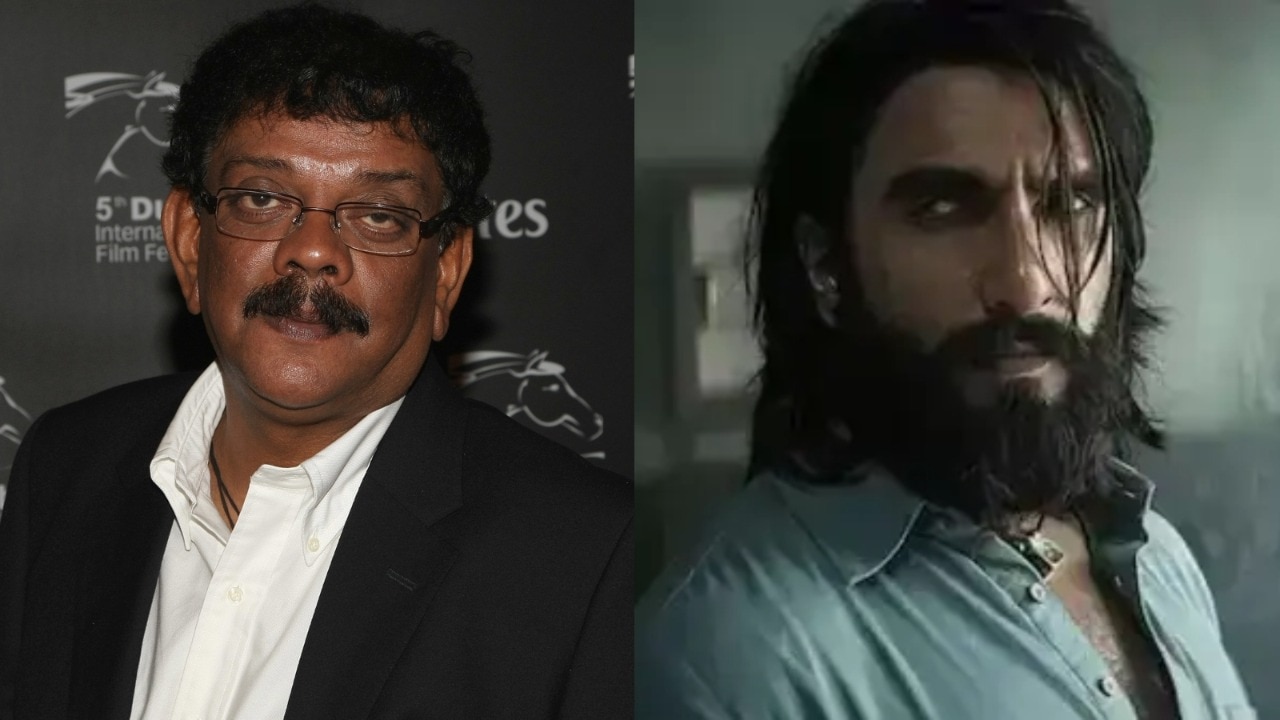
In a robust show of support, acclaimed filmmaker Priyadarshan has defended “Dhurandhar: The Revenge” against criticism labeling it as “propaganda,” citing the film’s extraordinary box office performance as evidence of its widespread acceptance among Indian audiences.
The veteran director spoke candidly about his personal connection to “Dhurandhar” director Aditya Dhar during a recent interview with Siddharth Kannan, revealing the challenging path Dhar faced before achieving his current success.
“He was very disheartened, but he never told me until he started working for me,” Priyadarshan recounted, describing evening conversations where Dhar opened up about past struggles, including instances where his scripts were allegedly used without proper attribution. “When your children and disciples come up in life, that’s the best joy you can ever have. So I feel very good to hear what Aditya has achieved.”
Priyadarshan forcefully rejected the “propaganda” label that some critics have attached to the film. “There’s nothing like propaganda. You are just bringing the truth in front of the people,” he stated. “When the whole of India has accepted it, then why do some people’s opinions matter? India has watched and accepted it. There are no bigger hits.”
His defense comes at a time when the film has generated significant debate in industry circles. Notably, filmmaker Vetrimaaran recently criticized what he termed “hate propaganda” films, with speculation suggesting he may have been referencing “Dhurandhar,” though he did not explicitly name the production.
“Do you think those people who have watched the film are fools?” Priyadarshan questioned, emphasizing audience judgment. “It’s people’s opinion, leave it with them. Don’t confront it. Forget it. He has achieved. The film has been accepted by the majority of India, and that means it has to be a good film.”
“Dhurandhar: The Revenge,” directed by Aditya Dhar, has emerged as one of Indian cinema’s biggest commercial successes in recent years. The film, featuring Ranveer Singh in the lead role alongside Arjun Rampal, Sanjay Dutt, R Madhavan, and Rakesh Bedi, has reportedly amassed over Rs 1,200 crore worldwide and continues to perform strongly at the box office.
The spy thriller, set against the backdrop of Karachi’s Lyari district, follows an Indian intelligence operative infiltrating the underworld to dismantle a terrorist network. Its commercial success has made it a significant milestone in Indian cinema this year, despite the controversy surrounding its content and messaging.
The film’s enormous popularity comes at a time when nationalistic themes have found increasing resonance with Indian audiences. Several recent productions with similar patriotic undertones have performed exceptionally well at the box office, indicating a shift in viewer preferences and a market receptive to stories highlighting national security themes.
Meanwhile, Priyadarshan himself is preparing for his upcoming release “Bhooth Bangla,” a horror comedy starring Akshay Kumar, Paresh Rawal, Tabu, Rajpal Yadav, and Wamiqa Gabbi. The film is scheduled to premiere in theaters on April 10. The director is also developing another project titled “Haiwaan,” which will feature Akshay Kumar and Saif Ali Khan.
Priyadarshan’s comments highlight the ongoing tension in Indian cinema between artistic expression, commercial success, and ideological criticism. As “Dhurandhar: The Revenge” continues its theatrical run, the debate surrounding its content and impact underscores the complex relationship between entertainment, politics, and public discourse in contemporary India.
Fact Checker
Verify the accuracy of this article using The Disinformation Commission analysis and real-time sources.

7 Comments
It’s good that Priyadarshan is standing up for Aditya Dhar and his work. Filmmakers often face challenges, and it’s admirable when more established directors lend their support. However, the ‘propaganda’ debate is a complex one, and reasonable people may disagree on where the line should be drawn.
Interesting to see Priyadarshan defend ‘Dhurandhar 2′ against allegations of propaganda. He makes a fair point – if the film was widely embraced by Indian audiences, then why should a few critics’ opinions matter so much? Artistic expression and public reception often don’t align perfectly.
Priyadarshan’s perspective provides an interesting counterpoint to the ‘propaganda’ accusations. He seems to view the film as truthfully depicting reality, rather than spreading misinformation. It raises questions about what constitutes propaganda versus honest, if provocative, artistic expression.
It’s interesting to see Priyadarshan, as an acclaimed filmmaker, weigh in on this debate. His points about Dhar’s past struggles and the film’s broad acceptance in India add important context. But the ‘propaganda’ question still merits careful examination, even if the public embraced the final product.
I’m curious to learn more about the alleged instances where Dhar’s scripts were used without proper attribution. That sounds like a serious issue for any creative professional. Priyadarshan’s comments give some helpful context, but I wonder if there are more details available on those prior struggles.
Priyadarshan’s comments provide an intriguing counterargument to the ‘propaganda’ claims. His emphasis on the film’s popularity and Dhar’s personal journey gives the discussion more nuance. However, the underlying concerns about ideological messaging shouldn’t be dismissed, even if the public response was positive overall.
Priyadarshan makes a valid point that the film’s widespread success in India suggests it resonated with the public. However, high box office numbers don’t necessarily mean a work is free of biases or political messaging. The ‘propaganda’ debate likely won’t be settled easily.