


Listen to the article
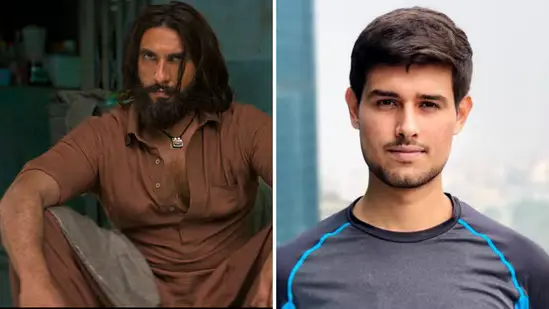
YouTube Creator Dhruv Rathee Labels Box Office Hit ‘Dhurandhar’ as “Dangerous Propaganda”
Popular YouTube commentator Dhruv Rathee has launched a blistering critique of the spy thriller ‘Dhurandhar,’ labeling it as “dangerous propaganda” despite its massive commercial success at the box office.
In his recently uploaded video titled “Reality of Dhurandhar,” Rathee takes aim at director Aditya Dhar’s film, describing it as “jhootha and vahiyat propaganda” (false and absurd propaganda). The analysis comes as the film continues its impressive commercial run, reportedly amassing ₹800 crore worldwide in just 16 days.
Rathee’s primary concern centers on the film’s presentation of fiction as fact. “The problem is that Dhurandhar repeatedly shows you it’s inspired by real events. It says so in the trailer. It shows the real footage from the 26/11 attacks. The real audio recordings of conversations between the terrorists and their handlers have been used. It also uses real-life gangsters and cops based in Pakistan’s Lyari,” Rathee explained in his detailed critique.
What makes ‘Dhurandhar’ particularly concerning to Rathee is its high production value and engaging storytelling. Unlike other films he considers propaganda, such as “The Taj Story” and “The Bengal Films” which he dismissed as “bakwaas films” (nonsensical films), Rathee argues that ‘Dhurandhar’ poses a greater threat precisely because of its quality.
“Well-made propaganda is more dangerous,” Rathee stated, suggesting that the film’s artistic merit makes its messaging more persuasive to audiences. He further contended that the film’s grounding in reality gives it more credibility than purely fictional spy thrillers like ‘Pathaan’ or ‘Tiger Zinda Hai.’
The controversy highlights growing debates in Indian cinema about the blurring line between entertainment and political messaging. ‘Dhurandhar,’ which features an ensemble cast including Ranveer Singh, Akshaye Khanna, R Madhavan, Arjun Rampal, and Sanjay Dutt, has been marketed as being “inspired by real-life events” – a claim that forms the cornerstone of Rathee’s criticism.
Prior to releasing the full analysis, Rathee had publicly promised to “destroy” what he called a “₹300 crore propaganda film” in his upcoming video, building anticipation among his substantial follower base. The eventual release has sparked widespread discussion across social media platforms about the responsibilities of filmmakers when dealing with sensitive geopolitical narratives.
The film’s portrayal of India-Pakistan relations and terrorism appears to be the primary focus of the controversy. By incorporating actual footage from the 2008 Mumbai terror attacks and authentic audio recordings from that tragic event, ‘Dhurandhar’ walks a fine line between dramatization and documentary – a creative choice that critics like Rathee find problematic.
Industry analysts note that the film’s commercial success demonstrates the public’s appetite for nationalistic narratives in entertainment, while others point to the growing polarization in how such content is received by different audience segments.
Neither director Aditya Dhar nor the film’s leading actors have publicly responded to Rathee’s criticism at the time of reporting. However, the controversy is unlikely to dent the film’s box office performance, which continues to break records across international markets.
The debate surrounding ‘Dhurandhar’ reflects broader tensions in Indian media about representation, historical accuracy, and the ethical responsibilities of storytellers when addressing sensitive national security issues. As the film continues its theatrical run, the conversation about the intersection of entertainment, politics, and propaganda is likely to intensify further.
Fact Checker
Verify the accuracy of this article using The Disinformation Commission analysis and real-time sources.

9 Comments
The success of ‘Dhurandhar’ at the box office suggests it’s resonating with audiences. But Rathee raises important questions about the responsible use of real-world elements in fictional narratives. As a viewer, I’ll keep an open mind and weigh the merits of both the film and Rathee’s critique.
Interesting perspective from Dhruv Rathee on the film ‘Dhurandhar.’ It’s a valid point that blending fiction and real-life events can be problematic, especially in a high-profile production. I’ll have to watch the film and Rathee’s critique to form my own opinion.
Dhruv Rathee’s critique of ‘Dhurandhar’ highlights the importance of critical analysis, even for commercially successful films. As viewers, we should be discerning about how real-world elements are portrayed in fictional narratives.
Well said. It’s important to maintain a healthy skepticism and not simply accept a film’s portrayal of events at face value, especially when sensitive real-world incidents are involved.
Rathee’s criticism of ‘Dhurandhar’ as ‘dangerous propaganda’ is quite strong. While creative liberties are common in films, it’s concerning if the line between fact and fiction is blurred too much. I’ll be curious to see how the public and critics respond to his analysis.
Rathee makes a fair point – using real footage and audio from tragic events like the 26/11 attacks could be seen as exploitative, even in a fictional thriller. Filmmakers have to be very careful when blending fact and fiction in this way. It’ll be interesting to see how this debate plays out.
I agree, the line between artistic license and insensitive exploitation is a fine one. Responsible storytelling is crucial, especially when dealing with real-world tragedies.
The debate around ‘Dhurandhar’ raises broader questions about the responsibility of filmmakers when dealing with real-world subject matter. Rathee’s analysis is thought-provoking and worth considering, even if one doesn’t fully agree with his conclusions.
Absolutely. This is an important discussion that goes beyond just this one film. Filmmakers must balance creative expression with social responsibility when incorporating real-world events and elements into their work.