


Listen to the article
Pope Francis Warns Media Against Becoming “Megaphone for Power” in Wartime
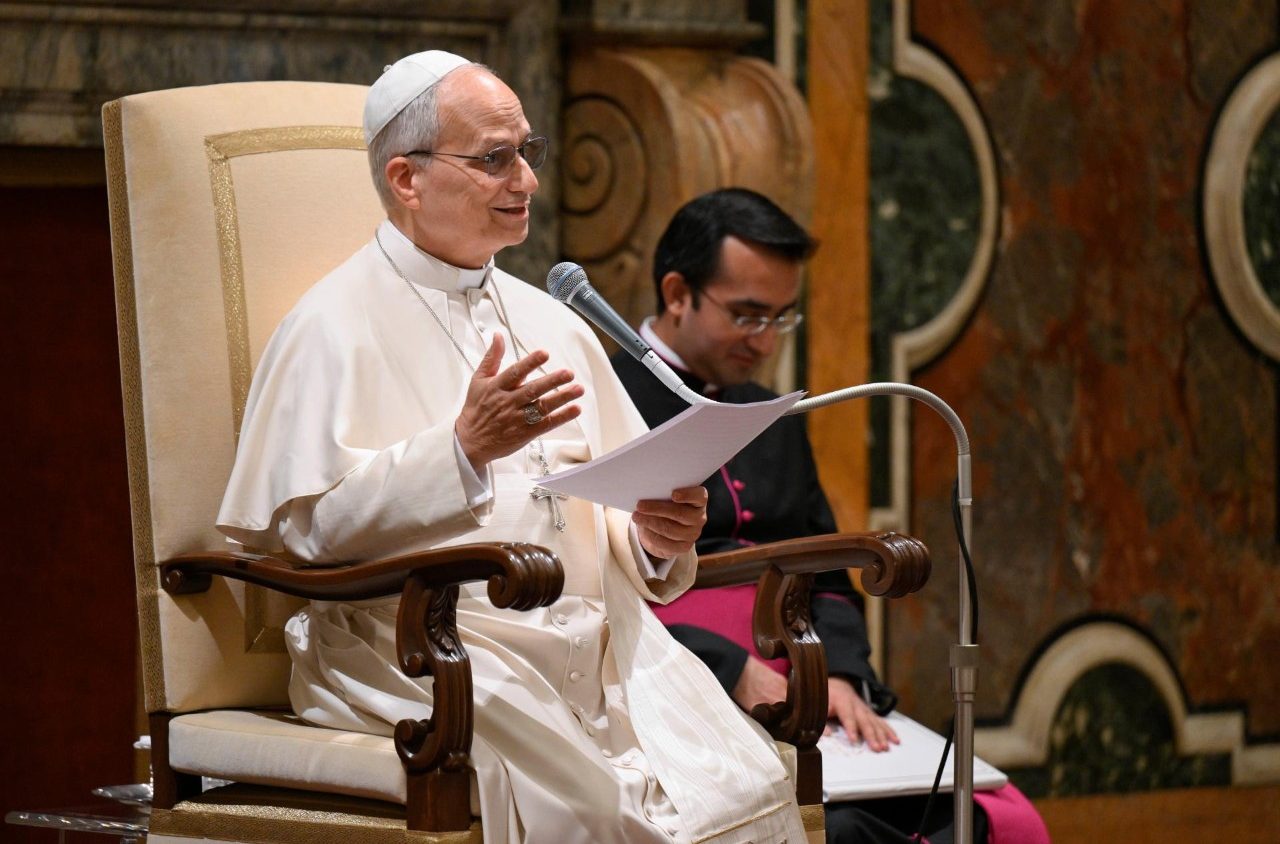
Pope Francis cautioned journalists against becoming vehicles for propaganda during times of conflict, urging them to maintain their critical independence and focus on war’s human toll. Speaking to reporters from the Italian state broadcaster Rai 2’s TG2 news program on Monday, the pontiff emphasized media’s responsibility to verify information and present the authentic face of war.
“Always, but especially in the dramatic circumstances of war such as those we are experiencing, information must guard against the risk of turning into propaganda,” Francis told the assembled journalists during an audience at the Vatican. The meeting was held to commemorate the 50th anniversary of TG2’s founding in 1976.
The Pope stressed that during conflicts, journalists face an increasingly vital mission to maintain independence from power structures. “The task of journalists, in verifying the news so as not to become a megaphone for power, becomes even more urgent and delicate—and indeed, essential,” he said.
Francis specifically called on media professionals to humanize their coverage of war. “It is the media’s job to show the suffering that war always brings to populations, to show the face of war, and to tell it through the eyes of the victims so that it does not turn into a video game,” he explained. While acknowledging the practical limitations of broadcast news segments, he insisted this human-centered approach remains “the challenge” for responsible journalism.
The Pope’s comments come against the backdrop of multiple ongoing global conflicts, including the war in Ukraine and fighting in the Middle East, where competing narratives and propaganda have complicated public understanding of events. Media ethics experts have increasingly highlighted the challenges journalists face in providing accurate, balanced coverage while under pressure from governments, military sources, and public opinion.
Addressing the rapid technological changes reshaping journalism, Francis emphasized that human judgment remains irreplaceable. “No technological innovation can replace creativity, critical discernment, and freedom of thought,” he said, specifically referencing artificial intelligence as a modern challenge requiring careful regulation.
“The challenge of our time is that of artificial intelligence,” the Pope observed. “I think of the need to regulate communication according to the human paradigm and not the technological one,” adding that this distinction requires “knowing how to distinguish between the means and the ends.”
In an era marked by increasing polarization and media fragmentation, Francis praised TG2 for its commitment to secularism and pluralism. He defined journalistic secularism as “a rejection of ideological preconceptions and as an open-minded view of reality” rather than a rejection of religious perspectives.
The Pope acknowledged the difficulty of maintaining such openness in today’s media environment. “We all know how difficult it is to let ourselves be surprised by facts, encounters, the perspectives, and the voices of others; how strong the temptation is to seek out, see, and listen only to what confirms our own opinions,” he reflected.
Francis concluded by celebrating the diversity of voices at TG2 throughout its history, suggesting that such pluralism, “especially when animated by a spirit of friendship, has been an added value” to the news organization’s identity and effectiveness.
The pontiff’s remarks align with his consistent advocacy for responsible journalism and media ethics throughout his papacy, having previously warned against fake news and encouraged journalists to pursue what he has called “the journalism of peace.”
Fact Checker
Verify the accuracy of this article using The Disinformation Commission analysis and real-time sources.

11 Comments
The Pope is absolutely right to call out the risk of media becoming a “megaphone for power” during wartime. Journalists must resist pressure to parrot official narratives and instead focus on verifying facts and humanizing the impact of conflict.
This is an important reminder of the media’s critical role in times of war. They must strive for impartiality, resist manipulation, and ensure their reporting reflects the true human toll, not just the agendas of those in power.
Exactly. The media must be a bulwark against the spread of propaganda and disinformation. Upholding journalistic integrity is essential for an informed public.
The Pope’s warning is well-timed. It’s crucial that media maintain objectivity and independence, especially during conflicts when propaganda can easily spread. Journalists must focus on verifying facts and humanizing the human toll of war.
Agreed. Media outlets have a responsibility to the public to cut through the noise and provide truthful, balanced reporting, not become a mouthpiece for those in power.
This is a timely and necessary message from the Pope. With so much misinformation and spin circulating, the media must uphold its responsibility to the public and report the truth, even when it’s uncomfortable.
Agreed. Journalists have a duty to remain objective and give voice to all sides, not just those in power. Maintaining that independence is crucial for an informed citizenry.
The Pope’s words ring true. Media outlets must be vigilant and resist the urge to become mere conduits for government or military narratives during conflicts. Rigorous fact-checking and a focus on the human impact are essential.
The Pope’s words highlight the ever-present danger of media becoming a propaganda tool, especially during conflicts. It’s a stark reminder that journalists must remain vigilant and committed to truth-telling, no matter the pressures.
This is an important reminder that the media plays a vital role in wartime. They must uphold their principles of journalistic integrity and resist the temptation to sensationalize or spread disinformation, no matter the pressures.
Absolutely. The public relies on the media to be a trusted source of information, not propaganda. Maintaining that trust is critical, especially in turbulent times.