


Listen to the article
Pope Francis Calls on Journalists to Show War’s Human Toll, Avoid Propaganda
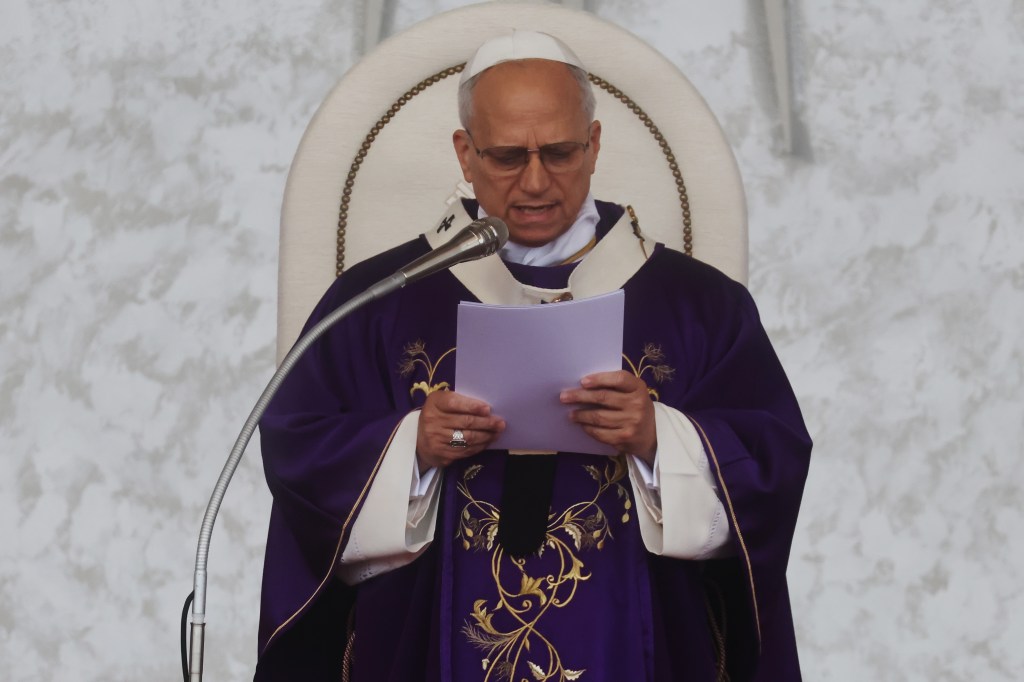
Pope Francis has issued a pointed statement on media coverage of ongoing conflicts involving the U.S., Israel, and Iran, urging journalists to focus on the human suffering caused by war rather than serving as conduits for propaganda.
In a recent social media post, the pontiff emphasized the critical responsibility journalists bear during wartime. “In the dramatic circumstances of war, information must guard against the risk of turning into propaganda,” he wrote. “It is every journalist’s duty to verify the news, so as not to become a megaphone for power. They must show the suffering that war always brings to populations, which entails showing the face of war and recounting it through the eyes of victims.”
While the Pope did not explicitly reference specific media outlets or coverage, his comments come amid heightened tensions following President Donald Trump’s public criticism of war reporting. The timing is notable as it follows a weekend of intensified rhetoric from the Trump administration regarding media coverage of the conflict.
The administration’s response to certain war coverage has been particularly aggressive. FCC Chairman Brendan Carr has issued threats regarding broadcast licenses, while Defense Secretary Pete Hegseth has criticized cable news graphics and suggested that reporting on military casualties represents an effort to undermine the president politically.
President Trump himself has raised concerns about artificial intelligence-generated content allegedly being distributed by Iranian sources. He claimed, without providing evidence, that certain media organizations are knowingly sharing such content and potentially coordinating with Tehran’s government.
The Pope’s statement appears to redirect focus to journalism’s humanitarian purpose during conflict—documenting the actual human impact rather than glorifying military operations or their “shock and awe” aspects. This approach aligns with longstanding journalistic ethics that emphasize truth-telling and giving voice to those most affected by events.
This isn’t the first time Pope Francis has commented on the current conflicts. In a separate statement on Sunday, he advocated for peace negotiations, writing: “May paths of dialogue be reopened! Violence can never lead to the justice, stability and peace for which the peoples are waiting.”
The Pope’s call for verified reporting and victim-centered coverage resonates with concerns raised by media ethics experts about wartime journalism. During conflicts, the pressure to report quickly, coupled with restricted access to conflict zones and sophisticated information warfare techniques, can challenge journalists’ ability to maintain objectivity and accuracy.
Media watchdog organizations have long noted how conflict reporting can become distorted by nationalist sentiments, military access limitations, and the difficulty of verifying information in chaotic environments. The Pope’s statement reinforces the importance of independent journalism during crises.
The tension between governments and media during wartime is not new, but the combination of digital misinformation, AI capabilities, and increasingly polarized media landscapes has created novel challenges for journalists covering contemporary conflicts.
As hostilities continue in the Middle East, the Pope’s intervention serves as a reminder of journalism’s essential role in documenting conflict’s human cost while maintaining independence from political and military interests—a position that appears to stand in contrast to the current administration’s approach to war coverage.
Fact Checker
Verify the accuracy of this article using The Disinformation Commission analysis and real-time sources.

20 Comments
An important reminder from the Pope about the media’s role during wartime. Journalists must strive for objectivity and avoid becoming propaganda tools, even inadvertently. Reporting should focus on the human toll and suffering, not partisan narratives.
Yes, the media has a responsibility to be a watchdog, not a mouthpiece. Balanced and fact-based coverage is critical, especially when tensions are high.
The Pope’s comments underscore the critical role of the media in times of conflict. Journalists must strive to be objective, fact-based watchdogs, not propaganda tools. Reporting that prioritizes the human impact and avoids sensationalism is essential.
Absolutely. The media’s credibility and independence are fundamental to a functioning democracy. Maintaining that integrity, even under pressure, is a solemn duty.
The Pope makes a valid point. Journalists should not sensationalize or exaggerate war reporting to boost ratings or push agendas. Objective, nuanced coverage that highlights the human impact is what’s needed.
Agreed. Journalists must remain vigilant against being used as propaganda tools, no matter the pressure from those in power.
This is a timely and important warning from the Pope. In an era of information warfare, the media must be vigilant against becoming mere conduits for propaganda, even if unintentionally. Maintaining objectivity and a focus on the human toll of war should be the top priority.
Well said. The media has a moral obligation to the truth, not to serving the interests of those in power. Responsible journalism that resists political manipulation is essential for an informed citizenry.
This is a welcome reminder that the media has a moral duty to the truth, not to serving as a mouthpiece for the powerful. Journalists must resist the temptation to sensationalize or distort war coverage, even under pressure.
Agreed. Responsible journalism is essential, especially during times of heightened tensions and conflict. The media must uphold its role as a watchdog, not a propaganda tool.
The Pope’s comments underscore the vital importance of independent, fact-based journalism, even in the face of political influence and pressure. Maintaining objectivity and a focus on the human toll of war is crucial.
Absolutely. The media must remain steadfast in its commitment to truth-telling and resist any attempts to co-opt it for political gain or propaganda purposes.
The Pope’s remarks highlight the delicate balance journalists must strike between reporting the facts of war and humanizing the suffering. Maintaining objectivity and resisting the temptation to sensationalize or distort coverage is crucial.
Agreed. The media plays a vital role in shaping public understanding of complex geopolitical issues. Responsible, ethical journalism is essential to upholding democratic principles and holding power accountable.
This is a timely and important message from the Pope. In an era of information warfare and fake news, the media must be extra vigilant to avoid becoming unwitting tools of propaganda. Balanced, nuanced coverage that prioritizes the human impact is essential.
Well said. The media has a responsibility to the public, not to those in power. Maintaining journalistic integrity and independence is critical, especially during times of conflict.
The Pope’s remarks highlight an important ethical dilemma facing journalists today. It’s a delicate balance to report the facts of war while also humanizing the suffering. Maintaining objectivity and resisting propaganda is crucial.
You’re right. The media must be vigilant to avoid being exploited, whether intentionally or not, by those with political agendas. Credibility is on the line.
This is a timely warning from the Pope. In an era of information warfare, the media must be extra cautious not to become mere conduits for misinformation or political messaging. Credibility and truth-telling should be the top priorities.
Absolutely. The media plays a vital role in shaping public understanding of complex geopolitical conflicts. Responsible, ethical journalism is essential.