


Listen to the article
In a pointed address to broadcasters this week, Pope Leo XIV delivered a strong rebuke against the portrayal of warfare as entertainment, in what many observers interpret as criticism directed at the Trump administration’s recent communications regarding military actions.
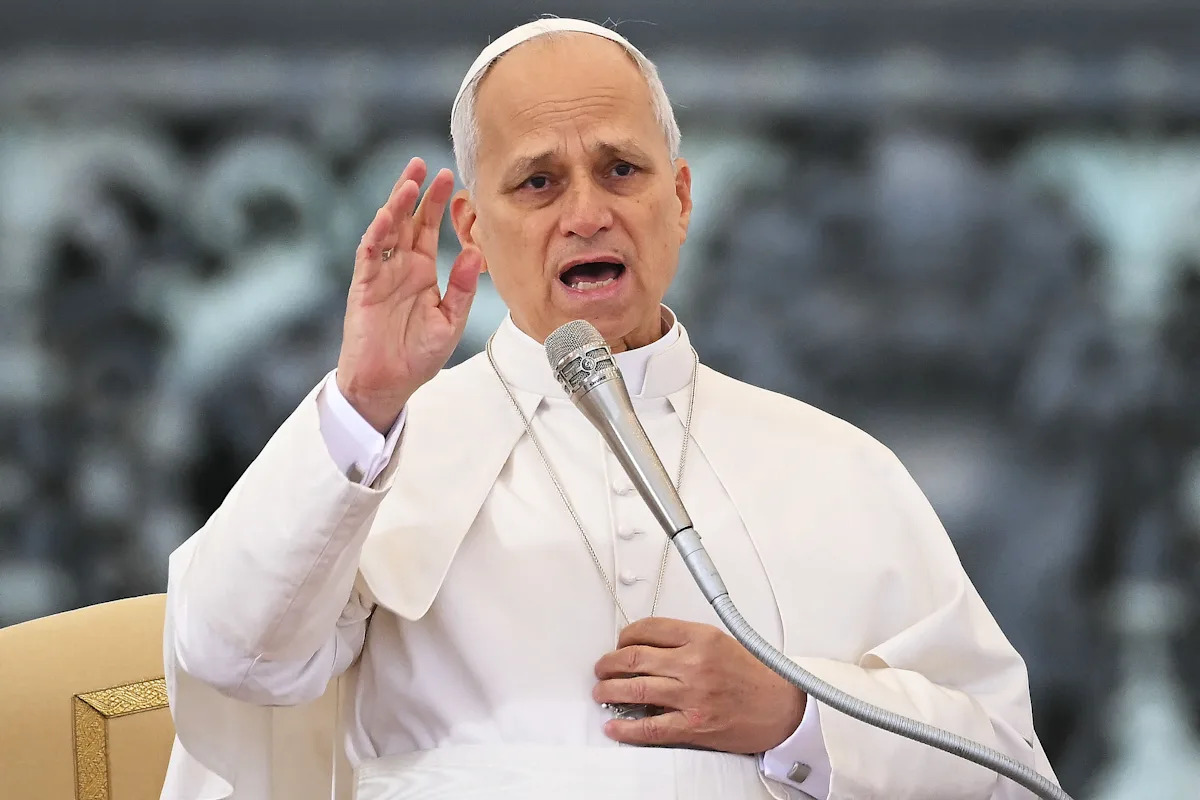
Speaking to staff of the Italian state television program TG2, the pontiff emphasized journalists’ responsibility to depict the human cost of armed conflict. “It is up to journalists to show the sufferings that war always brings to the people; to show the face of war and to relate it through the eyes of the victims, so as not to transform it into a video game,” the Pope stated, according to the National Catholic Register.
The timing of these comments appears significant, coming just days after controversy erupted over the White House’s official social media channels sharing military footage interspersed with video game and action movie clips. The Pope’s admonition continued with a warning about media becoming tools of propaganda, particularly during wartime.
“Always, but especially in the dramatic circumstances of war, such as those we are currently experiencing, the media must guard against the risk of becoming propaganda,” Pope Leo said. He emphasized that journalists have an “essential” duty to verify news and avoid becoming “a mouthpiece for those in power.”
The Pope’s statements follow similar criticism from Chicago Cardinal Blase Cupich, who issued a forceful denunciation of the administration’s communication strategy. Cupich specifically referenced a video posted on the White House’s official X account that combined scenes from popular action movies with actual strike footage from military operations against Iran.
“As more than 1,000 Iranian men, women and children lay dead after days of bombardment from U.S. and Israeli missiles, the official White House X account on Thursday evening posted a video of scenes from popular action movies spliced with actual strike footage from their war on Iran. The clip was captioned: ‘JUSTICE THE AMERICAN WAY,'” Cupich wrote on March 7.
The cardinal did not mince words in his assessment: “A real war with real death and real suffering being treated like it’s a video game — it’s sickening.”
The religious criticism has resonated beyond traditional political lines, with some social media accounts associated with conservative viewpoints sharing Cardinal Cupich’s statement. This crossover suggests the administration’s approach to portraying military action has created fissures within groups that might otherwise be supportive of the president’s policies.
Media ethics experts note this controversy highlights the evolving challenges in war reporting in the digital age. The gamification of warfare through stylized presentation risks desensitizing audiences to real human suffering and undermining public understanding of conflict’s true costs.
The administration’s communication approach comes at a particularly sensitive time, as economic indicators suggest the ongoing conflict is negatively impacting markets and consumer confidence. Public opinion polls indicate widespread unease about the military engagement, with concerns about both humanitarian and economic consequences.
The religious leaders’ intervention represents a significant moral challenge to the administration’s narrative framing. By invoking journalistic ethics and humanitarian concerns, Pope Leo and Cardinal Cupich have elevated the discussion beyond partisan politics to fundamental questions about how societies should understand and communicate about warfare.
For journalists covering international conflicts, the Pope’s guidance emphasizes the ethical imperative to present warfare’s human dimensions rather than reducing it to strategic abstractions or entertainment. This approach aligns with longstanding journalistic traditions of bearing witness to suffering and holding power accountable during times of conflict.
As the situation continues to develop, the religious critique may serve as a rallying point for those concerned about both the military actions themselves and how they are being presented to the American public and international community.
Fact Checker
Verify the accuracy of this article using The Disinformation Commission analysis and real-time sources.

8 Comments
While I appreciate the Pope’s concern, I’m not sure his comments will have much impact on the Trump administration’s approach to media and military affairs. The White House has shown a concerning tendency to blur the line between fact and fiction when it comes to warfare.
That’s a fair point. The Pope’s words may fall on deaf ears with the current administration. But it’s still an important message that journalists and the public should take to heart, regardless of political affiliation.
The Pope’s emphasis on the media’s responsibility to humanize the victims of war is a welcome perspective. In an age of increasing militarism and nationalist rhetoric, level-headed reporting that avoids glorifying conflict is crucial. Let’s hope broadcasters heed this call.
It’s concerning to see the Trump administration blurring the line between war footage and action movie clips. The Pope is right that the media must be vigilant against becoming a tool of propaganda, especially during times of conflict. Responsible journalism is key.
The Pope makes a valid point about the media’s role in shaping public perception of war. Sensationalizing military action and downplaying the human toll is irresponsible. Broadcasters should heed his call to report the realities of conflict, not turn it into entertainment.
Pope Leo’s call for broadcasters to avoid sensationalizing war is a timely reminder of the media’s responsibility to report the true human cost of conflict, not turn it into entertainment. Journalists must strive for objectivity and empathy when covering such sensitive issues.
It’s concerning to see the White House blurring the lines between war footage and action movie clips. The Pope is right that the media mustn’t become a tool of propaganda, especially during wartime. Balanced, thoughtful reporting is crucial.
I agree. Depictions of war should focus on the real human suffering, not glorify it as a video game. Responsible journalism is needed now more than ever.