


Listen to the article
Pope Francis Calls on Media to Verify News, Humanize War Coverage
Pope Francis has issued a pointed call to media organizations worldwide to exercise greater diligence in verifying information and to focus on the human dimension of suffering during conflicts, warning against becoming vehicles for propaganda.
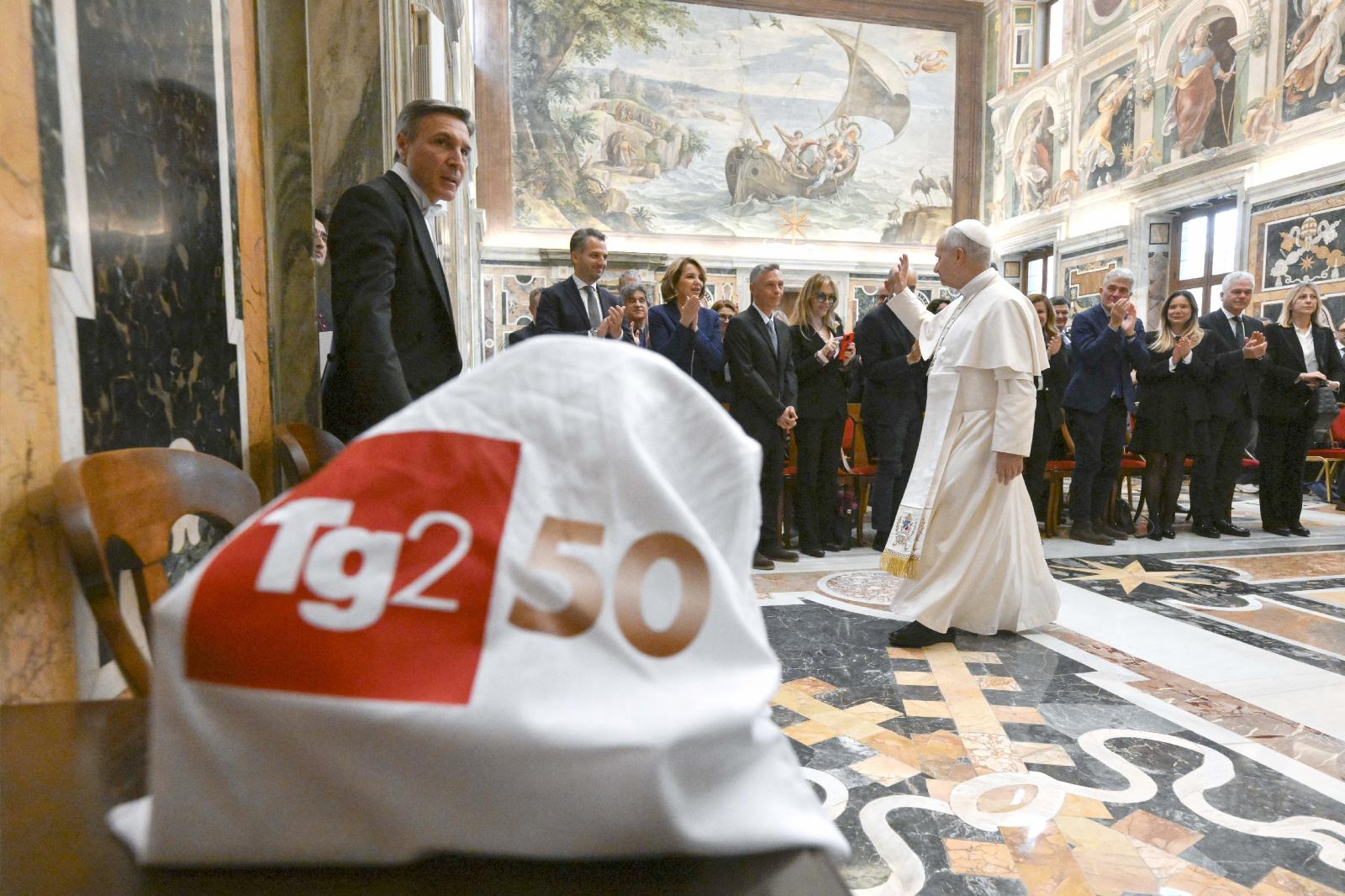
Speaking to broadcast journalists who produce TG2 news programs for the Italian state-owned television channel Rai 2, the pontiff emphasized the critical responsibility media outlets bear during times of armed conflict.
“Always, but especially in the dramatic circumstances of war, such as those we are currently experiencing, the media must guard against the risk of becoming propaganda,” Francis stated. His remarks come amid ongoing conflicts in Ukraine, Gaza, and other global hotspots where information warfare has become as significant as physical confrontations.
The Pope highlighted that journalists face a fundamental challenge in maintaining independence when covering complex geopolitical situations. “Verifying the news so as not to become a mouthpiece for those in power” remains an “essential and delicate task,” he noted, suggesting that media organizations must resist pressures that might compromise their objectivity.
Francis particularly stressed the importance of humanizing war reporting, urging journalists to “show the sufferings that war always brings to the people; to show the face of war and to relate it through the eyes of the victims, so as not to transform it into a videogame.” This approach, he suggested, provides necessary context that can counteract the sanitized or gamified presentations of conflict that have become commonplace in some media formats.
The Pope acknowledged the practical constraints journalists face, noting that “it is not easy in the few minutes of a news broadcast and its in-depth segments,” but emphasized that overcoming these limitations represents “the challenge” for modern journalism.
His comments reflect growing concerns about the blurring of lines between news, entertainment, and propaganda, particularly in crisis reporting. Media ethics experts have repeatedly warned that compressed news formats and the race for audience engagement can lead to oversimplification of complex situations, potentially distorting public understanding of conflicts.
The pontiff also addressed emerging challenges posed by artificial intelligence in news production and dissemination, highlighting “the need to regulate communication according to the human paradigm and not the technological one.” This statement aligns with increasing calls from media watchdogs and international organizations to establish ethical frameworks for AI use in journalism before automation further transforms the industry.
Francis characterized the current era as “an age dominated by polarization, ideological closed-mindedness and slogans,” conditions that make it increasingly difficult to “see and understand the complexity of reality.” These social dynamics, he suggested, create a “temptation to seek out, see and listen only to what confirms our own opinions.”
This phenomenon, often referred to as confirmation bias or echo chambers, has been identified by researchers as a significant factor in political polarization and societal division across democratic societies. The Pope’s remarks suggest that media organizations have a particular responsibility to bridge these divides rather than reinforce them.
“There can be no good communication, nor true freedom and healthy pluralism, without this openness,” Francis concluded, framing media ethics not merely as professional standards but as crucial elements for functioning democratic societies.
The Pope’s address comes at a time when traditional media outlets face unprecedented challenges from social media platforms, declining public trust, and economic pressures that have reduced resources for in-depth reporting and fact-checking. His intervention highlights the Vatican’s ongoing concern with media ethics and the moral dimensions of information dissemination in complex global contexts.
Fact Checker
Verify the accuracy of this article using The Disinformation Commission analysis and real-time sources.

17 Comments
The Pope’s call for the media to focus on the human dimension of suffering during conflicts is a powerful statement. Responsible reporting that avoids becoming a vehicle for propaganda is crucial for public understanding.
I agree, the media has a vital role to play in providing accurate and balanced coverage to counter misinformation and propaganda. Verifying news is an essential task for journalists in these challenging times.
This is a powerful statement from the Pope on the media’s responsibility to report the human dimension of war, not just the geopolitical narratives. Resisting propaganda and maintaining independence is essential for ethical journalism.
This is a crucial reminder of the media’s role in shaping public understanding of global conflicts. Humanizing the coverage and resisting propaganda is essential for ethical and informed reporting.
This is a timely reminder of the important role media plays in shaping public understanding of global conflicts. Humanizing the coverage and resisting propaganda is crucial for informed and ethical reporting.
Absolutely. The media must maintain independence and exercise due diligence in verifying information to avoid becoming a mouthpiece for those in power, as the Pope rightly pointed out.
The Pope’s message highlights the critical role of the media in shaping public understanding of complex global conflicts. Verifying information and humanizing the coverage is essential to counter propaganda and misinformation.
Absolutely. Journalists must exercise due diligence and resist the pressure to become a vehicle for those in power. Upholding journalistic integrity is the only way to provide accurate and ethical reporting on these issues.
The Pope’s message highlights the importance of responsible journalism in times of war. Verifying information and focusing on the human impact, rather than propaganda, is a vital duty for the media.
Absolutely, the media must maintain independence and avoid becoming a vehicle for those in power. Upholding journalistic integrity is crucial to provide accurate and balanced coverage of complex geopolitical situations.
This is an important reminder of the media’s responsibility to report the human impact of war, not just the geopolitical narratives. Maintaining independence and resisting the temptation to become a mouthpiece for those in power is crucial.
The Pope’s call for media to focus on the human impact of war rather than propaganda is a crucial message. Responsible journalism is vital to counter misinformation and highlight the real human toll of conflicts.
I agree, the media has a duty to report the truth and not become a mouthpiece for those in power. Verifying information is essential to provide accurate and balanced coverage of complex geopolitical situations.
While media coverage of war is challenging, the Pope’s message highlights the moral imperative for journalists to prioritize the human impact over propaganda. Upholding journalistic integrity is critical in these complex situations.
This is a timely and important statement from the Pope. The media has a responsibility to report the human impact of war, not just the geopolitical narratives. Maintaining independence and resisting propaganda is crucial.
The Pope’s call for the media to focus on the human dimension of suffering during conflicts is a powerful and necessary message. Responsible reporting that avoids becoming a vehicle for propaganda is essential for public understanding.
I agree, the media must exercise due diligence in verifying information and resist the temptation to become a mouthpiece for those in power. Upholding journalistic integrity is critical in these complex and challenging situations.