


Listen to the article
Returning recently from an official trip, Cross River State Governor Bassey Otu found himself at the center of a decades-long territorial dispute that has significant implications for Nigeria’s oil sector and regional politics.
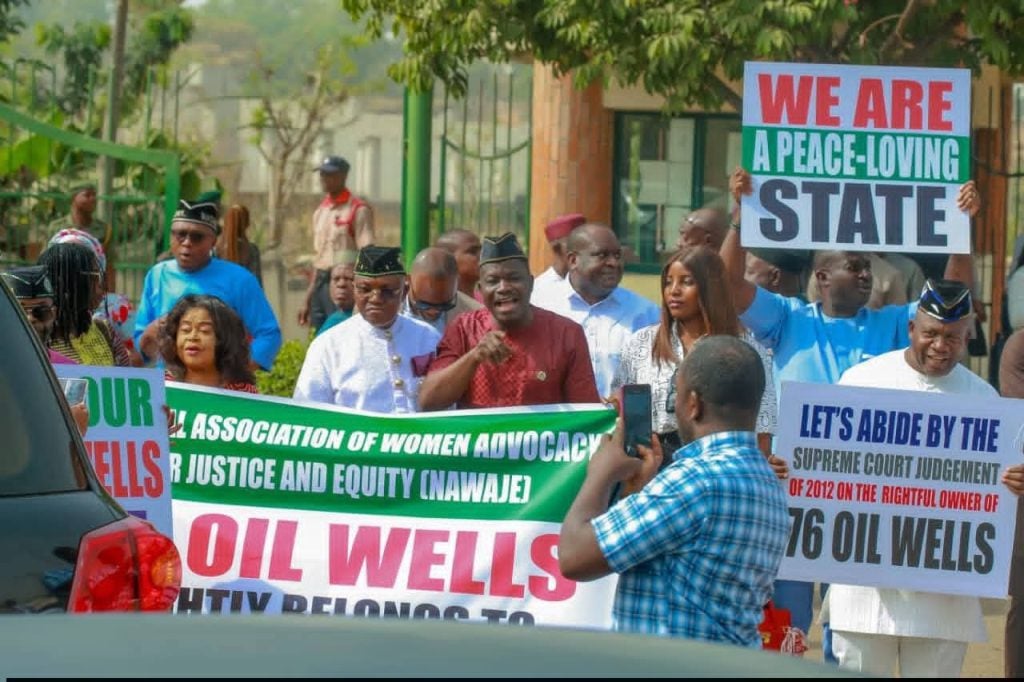
The contentious issue revolves around 76 oil wells that have been the subject of a bitter ownership battle between Cross River and neighboring Akwa Ibom State. The dispute, which dates back years, represents more than just a disagreement over territorial boundaries—it symbolizes the high-stakes competition for oil resources that continues to shape Nigeria’s political landscape.
Oil remains the backbone of Nigeria’s economy, accounting for approximately 80% of the country’s export earnings and a substantial portion of government revenue. For states like Cross River and Akwa Ibom, control over oil wells translates directly to increased federal allocations and development opportunities.
The conflict over these particular wells intensified following a 2012 Supreme Court ruling that ceded ownership of the wells from Cross River to Akwa Ibom State. This decision came after the loss of Bakassi Peninsula to Cameroon through an International Court of Justice ruling, which redefined maritime boundaries and had cascading effects on Nigeria’s internal state demarcations.
Energy analysts note that the dispute highlights the broader challenges of resource governance in Nigeria’s federal system. “When ownership of natural resources becomes entangled with state boundaries, it creates a perfect storm of political tension,” says Dr. Oluwole Adeyemi, a petroleum economics expert at the University of Lagos. “The revenue-sharing formula makes these disputes particularly contentious.”
The economic impact of the dispute has been substantial for Cross River State. Prior to losing control of the wells, the state received significantly higher allocations from the Federation Account. The loss of revenue has hampered development initiatives and infrastructure projects, according to state officials.
Governor Otu’s administration has made reclaiming the wells a priority, arguing that historical and geographical factors support Cross River’s claim to the territory. His recent public statements have emphasized the need for “justice and equity” in the resolution of the dispute.
The federal government has attempted to mediate the conflict through various committees and interventions. The National Boundary Commission has been involved in efforts to demarcate the boundaries more clearly, though progress has been slow due to the complex technical, legal, and political dimensions of the case.
Petroleum industry observers point out that the dispute occurs against the backdrop of Nigeria’s evolving energy landscape. With the Petroleum Industry Act of 2021 bringing significant reforms to the sector, states are increasingly conscious of securing their oil assets and the associated benefits.
“What we’re witnessing is not just about 76 wells, but about the future of revenue allocation in a country attempting to transition its energy sector,” notes Iniobong Essien, an energy policy analyst based in Port Harcourt.
The dispute has occasionally spilled over into community tensions, with residents in border areas reporting concerns about security and access to services. Civil society organizations have called for a peaceful resolution that considers the welfare of communities in the affected areas.
International oil companies operating in the region, including ExxonMobil and Total, have maintained a cautious stance on the ownership dispute while continuing their operations under existing arrangements with the federal government.
Legal experts suggest that while the 2012 Supreme Court ruling appears definitive, there remain avenues for political negotiation and possible revenue-sharing arrangements that could address Cross River State’s concerns without overturning the judicial decision.
As Governor Otu continues to champion his state’s claim to the oil wells, the dispute serves as a reminder of the complex intersection of federalism, resource control, and economic development in Nigeria’s oil-dependent economy. Any resolution will need to navigate not only legal precedents but also the practical realities of resource management in a diverse federation.
For now, the 76 oil wells remain a powerful symbol of the high stakes involved when politics, economics, and territorial claims converge in Nigeria’s oil-rich regions.
Fact Checker
Verify the accuracy of this article using The Disinformation Commission analysis and real-time sources.

8 Comments
The Supreme Court’s 2012 ruling ceding ownership of the wells from Cross River to Akwa Ibom State must have been a major setback for Cross River. I wonder what the political and economic implications have been for the two states since then.
These types of resource disputes can create deep tensions between neighboring states. It will be interesting to see how the current governor of Cross River handles this longstanding issue and whether any resolution can be reached.
The loss of the Bakassi Peninsula to Cameroon must have compounded the significance of this oil well dispute for Cross River State. Maintaining control over strategic resources is clearly a top priority for both states involved.
The ongoing dispute over these 76 oil wells highlights the high-stakes competition for oil resources that shapes Nigeria’s political landscape. Access to these valuable assets can significantly impact a state’s federal allocations and development opportunities.
It’s understandable that Cross River and Akwa Ibom would vigorously fight for control over such an economically important resource. This dispute exemplifies the complex territorial and resource issues Nigeria continues to grapple with.
This conflict over 76 oil wells reflects the broader challenges Nigeria faces in managing its natural resources and maintaining regional stability. Navigating these complex territorial and economic disputes is crucial for the country’s future development.
Resolving this dispute in a fair and transparent manner will be important for upholding the rule of law and ensuring equitable distribution of Nigeria’s oil wealth among its states.
Oil is indeed the backbone of Nigeria’s economy, so it’s not surprising that control over these wells would be so fiercely contested. The political dynamics and propaganda surrounding this dispute highlight the high stakes involved.