


Listen to the article
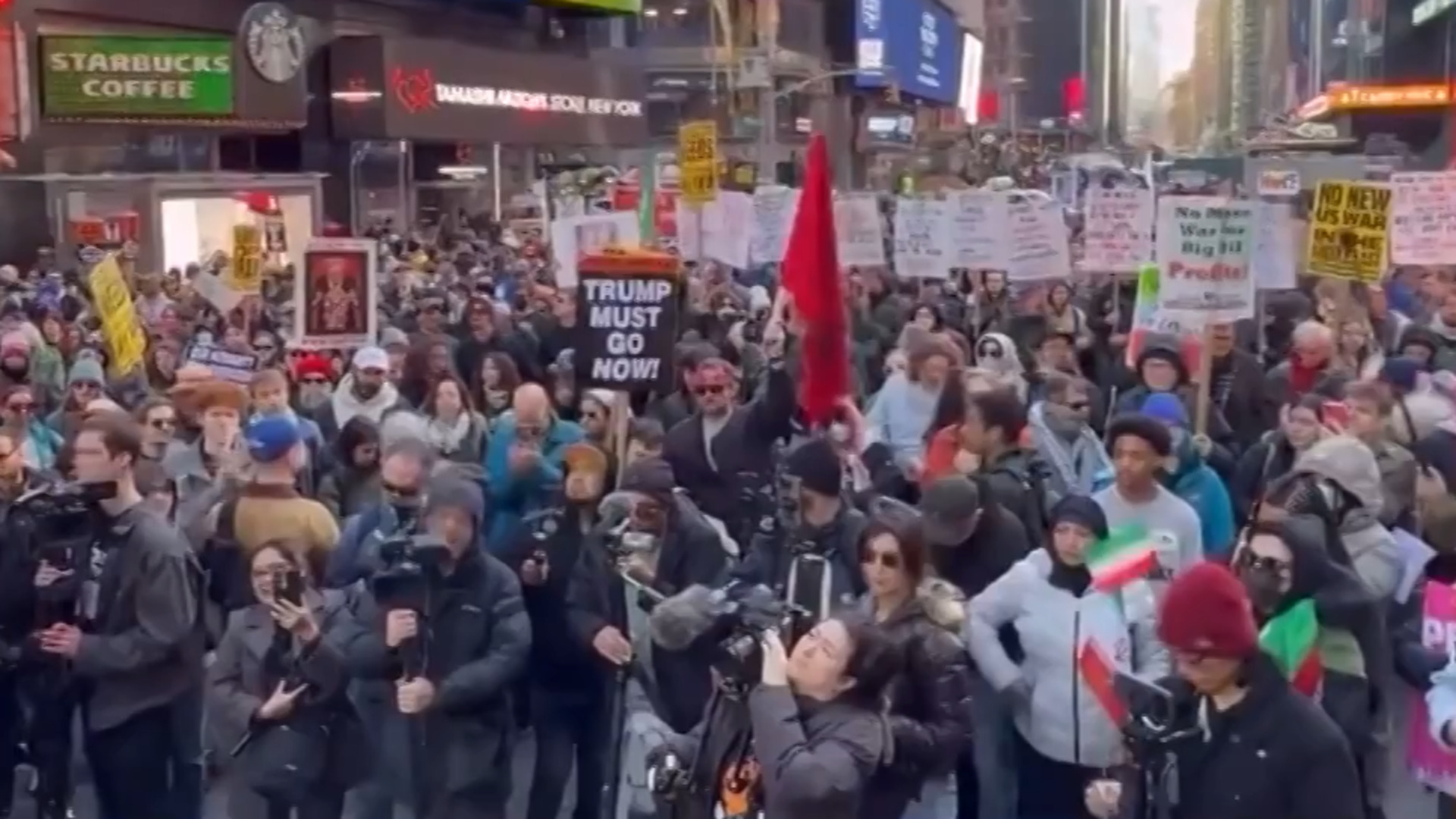
Foreign influencers are pouring significant funds into anti-Trump propaganda campaigns as the U.S. presidential election approaches, according to veteran political journalist John Fund. The warning comes amid growing concerns about external interference in American electoral processes.
Fund, known for his extensive coverage of U.S. politics, detailed how foreign entities are leveraging both traditional and social media channels to disseminate content designed to sway voter opinion against former President Donald Trump. The journalist highlighted that these operations have become increasingly sophisticated since previous election cycles.
“What we’re seeing is unprecedented in both scale and coordination,” Fund explained during a recent interview with Sky News Australia. “These aren’t just isolated efforts but part of a broader strategy to influence American voters through carefully crafted messaging.”
The funding allegedly comes from a network of foreign donors, some operating through intermediary organizations to obscure the original source of the finances. Fund noted that while foreign nationals are prohibited from directly contributing to U.S. political campaigns, these actors have found legal loopholes through issue advocacy and information campaigns that don’t explicitly endorse candidates.
Election security experts have long expressed concerns about foreign influence in American elections, particularly following the documented Russian interference in the 2016 presidential race. The current allegations, however, suggest a wider array of international actors seeking to impact the upcoming election.
The Federal Election Commission and Department of Justice have strengthened monitoring of foreign financial influences in U.S. politics, but enforcement remains challenging due to the complex web of international financial transactions and digital campaigns that cross borders.
“The digital landscape has made tracking these influence operations exponentially more difficult,” explained Dr. Miranda Collins, an election security specialist at Georgetown University, who was not part of Fund’s reporting but offers context on the issue. “Content can be created abroad, funded internationally, but appear entirely domestic to the average voter.”
Trump’s campaign has seized on these allegations, claiming they validate long-standing assertions about foreign interests opposing the former president. Campaign spokesperson Rebecca Harrington stated, “These revelations confirm what we’ve been saying all along – global elites are terrified of President Trump’s America First agenda and are willing to interfere in our democratic process to stop him.”
Democratic strategists have pushed back, arguing that concerns about foreign influence should extend to all candidates and that focusing exclusively on anti-Trump efforts creates a misleading narrative about the broader threat to election integrity.
Media watchdog groups note that distinguishing between legitimate international news coverage and funded propaganda has become increasingly difficult for voters. The Pew Research Center found that nearly 64% of Americans struggle to identify foreign-sponsored content when consuming news online.
Fund’s allegations come at a particularly sensitive time, as social media platforms face mounting pressure to label foreign-funded political content. Recent congressional hearings have focused on transparency requirements for international political communications, with bipartisan support for stricter disclosure rules.
Intelligence community veterans have cautioned against overreacting to these reports. “While foreign influence operations are a genuine concern, we must be careful not to delegitimize the entire electoral process,” said former NSA analyst Robert Garrison. “Most anti-Trump messaging still originates from domestic sources expressing genuine political positions.”
The impact of these alleged influence campaigns remains difficult to quantify. Political science research suggests that while foreign propaganda may reinforce existing views, it rarely changes firmly held political positions.
As the presidential campaign intensifies, election officials across the country have implemented enhanced monitoring systems to detect and counter foreign influence operations. These measures include improved coordination between federal agencies and state election boards, alongside public awareness campaigns designed to help voters identify potential foreign propaganda.
Fund indicated he would be releasing additional details about specific funding sources and influence networks in the coming weeks, potentially adding another layer of controversy to an already contentious election season.
Fact Checker
Verify the accuracy of this article using The Disinformation Commission analysis and real-time sources.
