


Listen to the article
Political tensions flared this week as opposition leaders and ruling party figures clashed over the controversial film “Dhurandhar 2,” with critics claiming it promotes religious animosity while supporters defend it as a reflection of reality.
The film has triggered heated debate across India’s political landscape, with several opposition leaders accusing it of deliberately targeting the Muslim community through its portrayal of sensitive religious and political issues.
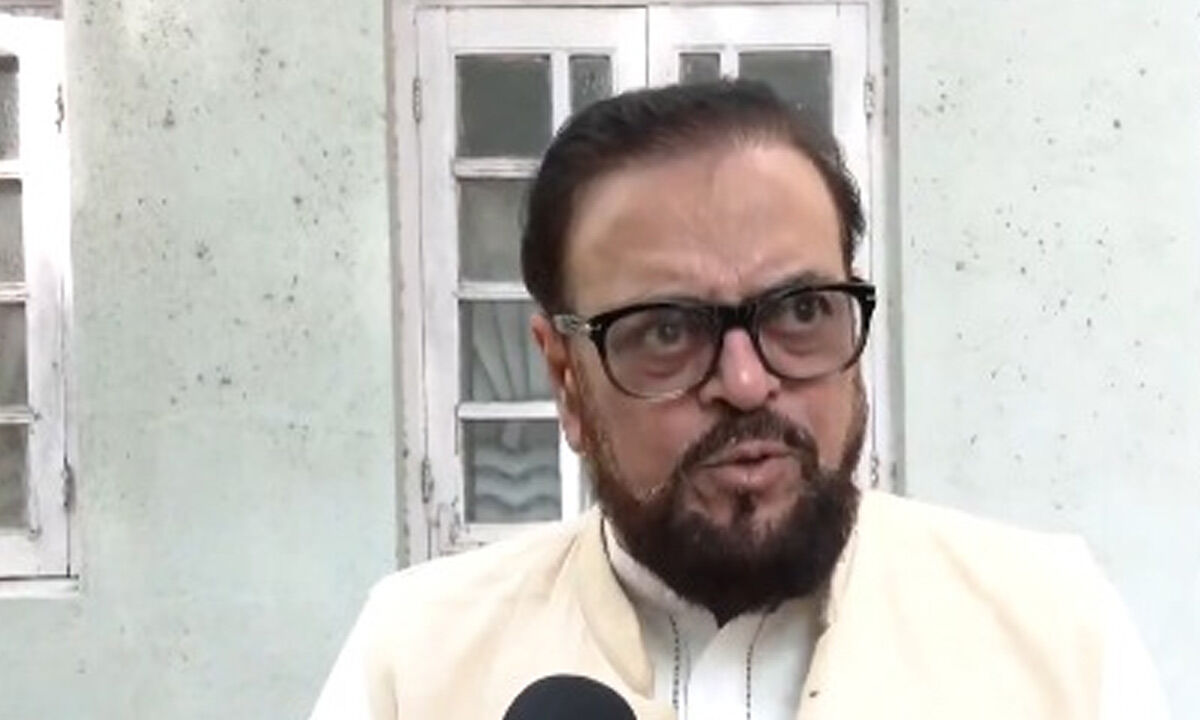
Samajwadi Party MLA Abu Azmi offered one of the strongest condemnations, questioning the film’s intentions and accuracy. “This film is made only to spread hatred. It is a false film,” Azmi told reporters. He particularly objected to the depiction of slain mafia don Atiq Ahmed, who is portrayed in the film as having direct connections to Pakistan’s intelligence agency ISI.
“There can be no connection between my party’s MP and ISI; there is no question of that,” Azmi insisted. “Every religion and community has good and bad people, but by showing such things, the film only aims to create hatred against Muslims.”
The controversy has drawn in voices from multiple political parties. Congress leader Hussain Dalwai raised questions about the film’s financial backing, suggesting that “it may be financed by the RSS,” referring to the Rashtriya Swayamsevak Sangh, a right-wing Hindu nationalist organization closely associated with the ruling Bharatiya Janata Party (BJP). Dalwai called for an investigation into the funding sources behind the production.
Samajwadi Party MP Awadhesh Prasad accused the BJP of using the film as a diversionary tactic. “The BJP has no real work. They want to divert people’s attention by making such baseless claims. What the country needs today is jobs for the unemployed,” he stated, suggesting that the government should focus on addressing economic challenges rather than supporting divisive content.
Congress MP Imran Masood dismissed the film as “nonsense” and criticized its portrayal of the controversial 2016 demonetization policy, which many economists have criticized but is depicted favorably in the film. Masood highlighted concerns about social cohesion, noting, “There are 25 crore Muslims in the country; you cannot push them out. They have to live here. By spreading hatred, you will hinder the country’s progress.”
BJP representatives have mounted a vigorous defense of “Dhurandhar 2.” Chhattisgarh Deputy Chief Minister Arun Sao turned the criticism back on the opposition, accusing the Congress Party of being selective in its outrage. “It is unfortunate that the Congress Party neither respects public sentiment nor shows loyalty towards the nation. They oppose everything that does not suit their political agenda,” Sao remarked.
Support for the film also came from former Jammu and Kashmir Director General of Police S.P. Vaid, who dismissed the controversy altogether. “There is no controversy because what has been shown is the truth. In ‘Dhurandhar 2’ and even in the first part, what has been depicted is based on truth,” he claimed.
The dispute illustrates the increasingly polarized nature of India’s political and cultural landscape, where entertainment content often becomes entangled with religious and political sensitivities. Films addressing contemporary political issues have frequently sparked controversy in recent years, with critics arguing that some productions serve political agendas rather than artistic purposes.
Media analysts note that the film industry has become a battleground for competing narratives about Indian history and society, with productions often reflecting the ideological leanings of their backers. The controversy around “Dhurandhar 2” is likely to continue as the film reaches wider audiences across the country.
Fact Checker
Verify the accuracy of this article using The Disinformation Commission analysis and real-time sources.

11 Comments
This dispute seems to have partisan undertones, which is concerning. I hope the focus can shift to objectively evaluating the film’s content and its potential impact, rather than getting mired in political point-scoring.
Agreed. Maintaining a constructive, fact-based dialogue is crucial in addressing sensitive issues like this, rather than resorting to inflammatory rhetoric or entrenched positions.
This political clash over a film’s content highlights the delicate balance between creative expression and social responsibility. I’m curious to see if a middle ground can be found that respects artistic freedom while addressing legitimate concerns about potential divisiveness.
This seems like a sensitive issue with strong political and social implications. I’m curious to learn more about the film’s specific content and portrayals to better assess the validity of the claims on both sides.
Yes, I agree it’s important to understand the nuances before rushing to judgment. A thorough, impartial review of the film would help shed light on the legitimacy of the accusations.
Interesting controversy over this film. I can understand both sides’ perspectives – the need for artistic freedom vs. concerns about potential religious/political divisiveness. Hopefully a balanced, constructive dialogue can emerge here.
The accusations of the film being ‘propaganda’ are concerning, but the BJP’s defense of it as ‘reflecting reality’ is also worth considering. I hope this dispute can be resolved through open and honest discussion rather than partisan posturing.
The claims of religious targeting and inaccurate portrayals are serious and warrant close examination. At the same time, the ruling party’s defense of the film’s ‘reality’ reflects a different perspective. Impartial analysis of the film’s content would help clarify the validity of the various positions.
The political tensions surrounding this film are concerning, as they risk overshadowing the need for a careful, objective assessment of its content and messaging. I hope all parties can approach this issue with an open mind and a focus on finding a constructive resolution.
The allegations of the film promoting ‘religious animosity’ are worrying, but the ruling party’s defense of it as ‘reflecting reality’ also merits consideration. I’d like to see a balanced, nuanced discussion that considers all perspectives before drawing conclusions.
This seems like a complex issue with valid concerns on both sides. I hope the relevant authorities and stakeholders can engage in a thoughtful, impartial review of the film’s content and its potential societal impact, rather than letting political rivalries dominate the discourse.