


Listen to the article
Rising Xenophobia in Polish Football Stadiums Draws Concern from UEFA
Throughout 2025, Poland’s football scene has witnessed an alarming trend as xenophobic, anti-migrant, and anti-Ukrainian displays have become increasingly visible in stadiums across the country, according to official UEFA-affiliated observers.
The troubling pattern has manifested through banners and organized chants at football matches and fan demonstrations in multiple regions, raising concerns about growing nationalism and intolerance within Poland’s football culture.
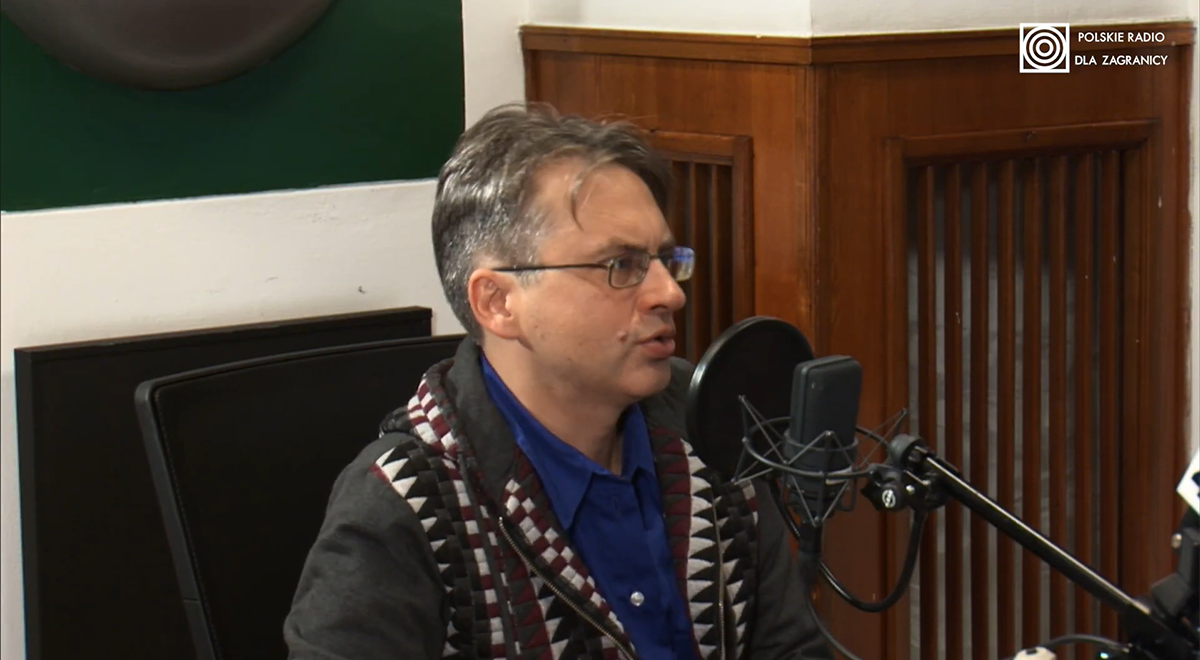
In an exclusive interview with Polish Radio, Rafał Pankowski, Ph.D., a leading expert on xenophobia in Poland, discussed the implications of this disturbing trend. Pankowski serves as an associate professor at Collegium Civitas and co-founded the anti-xenophobia non-profit organization “Never Again,” which has been monitoring hate speech and discriminatory behavior in Polish society for over two decades.
“What we’re seeing represents a concerning shift in stadium culture,” Pankowski explained during the interview. “Football stadiums often serve as a barometer for broader social tensions, and these displays reflect growing polarization in Polish society.”
The rise in anti-Ukrainian sentiment comes at a particularly sensitive time, as Poland has been one of Ukraine’s strongest European allies since Russia’s full-scale invasion in 2022. Poland has welcomed millions of Ukrainian refugees and provided significant military and humanitarian aid to its eastern neighbor.
UEFA’s monitoring system, designed to track discriminatory incidents at football matches, has documented numerous cases across Poland’s football leagues. The European football governing body has strengthened its anti-discrimination protocols in recent years, empowering match officials to halt games when racist or xenophobic behavior occurs.
Football hooliganism has a complex history in Poland, with ultras groups wielding significant influence in many clubs. While some supporter groups have made efforts to distance themselves from extremist elements, the recent reports suggest that xenophobic rhetoric continues to find space within stadium culture.
The phenomenon mirrors similar challenges faced across Eastern Europe, where football stadiums have sometimes become platforms for nationalist and anti-immigrant sentiment. Countries like Hungary, Bulgaria, and Romania have also grappled with UEFA sanctions related to fan behavior in recent years.
Poland’s domestic football authorities now face mounting pressure to address these incidents more forcefully. The Polish Football Association (PZPN) has implemented various anti-discrimination campaigns, but critics argue that enforcement of penalties against clubs whose fans engage in hateful displays remains inconsistent.
“Effective intervention requires cooperation between clubs, security services, and educational institutions,” Pankowski noted. “Simply punishing clubs isn’t enough—we need comprehensive strategies that address the root causes of xenophobia in Polish society.”
The issue transcends sports, reflecting broader political and social dynamics in Poland. The country has experienced significant political polarization in recent years, with immigration and national identity becoming contentious topics in public discourse.
For “Never Again” and similar organizations, the challenge lies in distinguishing between passionate football support and expressions that cross into harmful xenophobia. The group has developed educational programs aimed at younger football fans, promoting inclusive values while celebrating the positive aspects of supporter culture.
Polish authorities have acknowledged the problem, with the Ministry of Sport and Tourism pledging to work with football officials on new initiatives to combat discrimination in stadiums. These efforts may include enhanced security measures, stricter enforcement of existing regulations, and expanded educational campaigns.
As Poland continues to navigate its complex relationship with immigration, national identity, and European values, the situation in football stadiums will likely remain a visible indicator of these broader societal tensions.
The full interview with Professor Pankowski, exploring these issues in greater depth, will soon be available on the Polish Radio External Service YouTube channel.
Fact Checker
Verify the accuracy of this article using The Disinformation Commission analysis and real-time sources.

14 Comments
Football should be a unifying force, not a platform for divisive propaganda. The experts are right to raise the alarm on this disturbing development. The Polish FA must take decisive steps to address the underlying issues.
Absolutely. Hate speech and intolerance have no place in the beautiful game. The authorities need to work closely with fan groups to root out these problems at the grassroots level.
Disappointing to see football being used as a vehicle for spreading propaganda and divisive rhetoric. The authorities need to come down hard on this behavior to protect the integrity of the sport and its fan culture.
Agreed. Football should be a unifying force that brings people together, not a platform for spreading harmful ideologies. The Polish FA needs to work closely with fans and communities to address this issue head-on.
This is a worrying trend that needs to be addressed. Xenophobia and intolerance have no place in football or society. The authorities should take strong action to curb this behavior and promote inclusivity.
I agree, the football authorities need to send a clear message that this kind of hateful conduct will not be tolerated. Fans spreading disinformation and propaganda are damaging the sport.
While I’m concerned about the rise of nationalism and intolerance, I’m curious to hear more about the specific tactics and narratives being used by these football hooligans to spread Russian propaganda. Understanding their methods could help develop more effective counter-measures.
That’s a good point. Gaining a deeper understanding of the propaganda tactics and messaging used by these groups would be crucial in formulating an effective response. The authorities should work closely with experts to map out the problem and develop tailored solutions.
This is a complex issue with deeper social and political undercurrents. While I’m concerned about the spread of Russian propaganda, I wonder if addressing the broader social tensions would be a more effective long-term solution.
That’s a fair point. Tackling the root causes of intolerance and polarization in Polish society should be a priority, alongside firm action against the specific instances of hate and disinformation in football stadiums.
This is a concerning development that goes beyond just football and speaks to broader social and political issues in Poland. I hope the authorities take a comprehensive, multi-stakeholder approach to address the root causes and rebuild a more inclusive, tolerant fan culture.
Absolutely. Tackling this problem will require a coordinated effort involving the football governing bodies, law enforcement, community organizations, and fan groups. A holistic, long-term strategy is needed to create lasting change.
It’s troubling to see football stadiums becoming a breeding ground for the spread of Russian propaganda and nationalist sentiments. The authorities need to take swift and decisive action to nip this in the bud before it further poisons the sport’s fan culture.
I agree, this is a serious issue that requires urgent attention. The Polish FA and government must work together to implement robust measures to counter the spread of disinformation and intolerance within football fan communities.