


Listen to the article
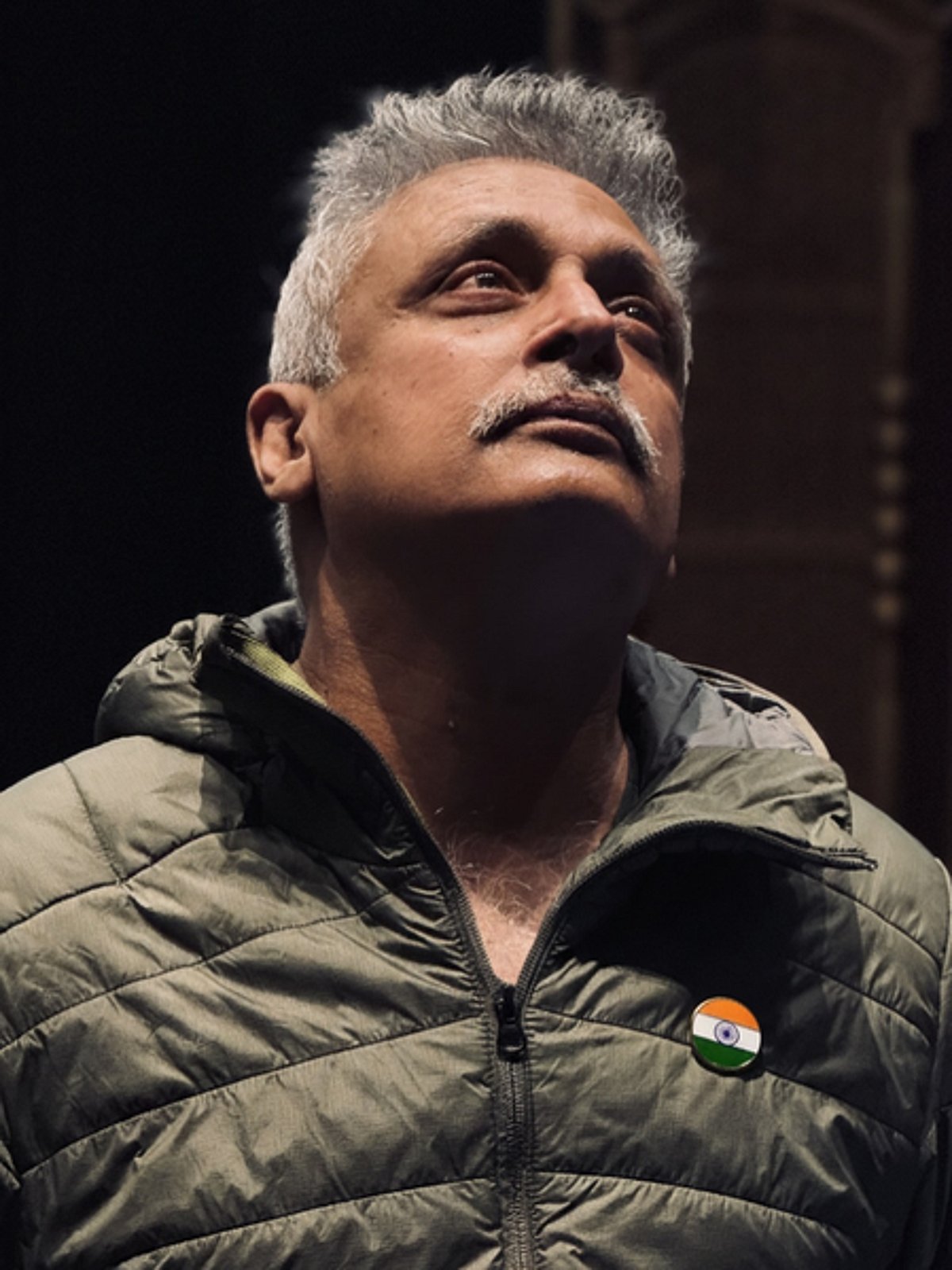
Veteran actor and musician Piyush Mishra has sparked debate within India’s film industry by addressing the increasingly blurred boundaries between cinema and propaganda in contemporary filmmaking.
Speaking at a recent industry event in Mumbai, Mishra, known for his versatile roles in films like “Gulaal” and “Gangs of Wasseypur,” emphasized the importance of maintaining artistic integrity in an era where political messaging has become more prominent in mainstream cinema.
“The purpose of art is to raise questions, not necessarily provide answers,” Mishra stated. “When filmmakers begin crafting narratives that deliberately push specific ideological perspectives without nuance, we risk crossing from cinema into propaganda territory.”
The acclaimed actor’s comments come amid growing discussion about the wave of nationalist-themed films released in Bollywood over the past five years. Industry analysts note that films celebrating military achievements, historical figures with political significance, and stories reinforcing particular nationalist narratives have performed exceptionally well at the box office.
Film critic Rajesh Sharma points to recent blockbusters that have seamlessly blended entertainment with patriotic messaging. “We’re seeing a trend where films that align with dominant political narratives receive substantial marketing support and often enjoy tax exemptions in certain states, creating financial incentives for similar content,” Sharma explained.
The Indian film market, valued at approximately $2.7 billion and expected to grow to $3.7 billion by 2024 according to FICCI-EY reports, has witnessed this shift across major production houses. What makes the trend particularly significant is the massive reach of Indian cinema, with the average film potentially reaching hundreds of millions of viewers across the country’s diverse population.
Mishra acknowledged the commercial pressures facing filmmakers but cautioned against compromising artistic vision for political expediency. “Throughout history, the most enduring and impactful films have been those that presented complex, multi-dimensional perspectives rather than simplistic narratives that merely reinforce existing beliefs,” he said.
Film producer Anand Kumar offered a different perspective, arguing that audience preferences ultimately drive content decisions. “Filmmakers respond to what resonates with viewers. If patriotic themes draw audiences, it reflects what people want to see rather than a deliberate propaganda effort,” Kumar noted.
However, film historian Deepa Mehta counters that the relationship between audience preference and content creation is more complex. “There’s a feedback loop where certain narratives are heavily promoted, audiences respond positively because they align with sentiments being reinforced through other media channels, and then more similar content is produced,” Mehta explained.
The debate extends beyond India’s borders. Several international film festivals have recently showcased Indian independent films that offer counter-narratives to mainstream cinema, exploring social issues through more critical lenses. These films, while gaining critical acclaim abroad, often struggle to secure wide releases within India.
Mishra emphasized that his concern isn’t with the political content itself but with the simplification of complex historical and social realities. “Cinema at its best should challenge viewers, encouraging them to think critically rather than passively absorb messaging,” he said.
Industry experts suggest that the discussion reflects broader tensions within Indian society regarding nationalism, free expression, and the role of art in shaping public discourse. The Central Board of Film Certification, which regulates film content in India, has faced criticism for decisions that some filmmakers characterize as politically motivated rather than based on established content guidelines.
As India’s film industry continues evolving in response to technological changes, streaming platforms, and shifting audience demographics, the conversation about cinema’s purpose and responsibilities remains vital.
“Finding the balance between creating entertaining, commercially viable films while maintaining artistic integrity and social responsibility is the challenge facing every serious filmmaker today,” Mishra concluded. “The moment we stop questioning our own work and its implications, we risk becoming mere vessels for propaganda rather than artists.”
Fact Checker
Verify the accuracy of this article using The Disinformation Commission analysis and real-time sources.

14 Comments
Piyush Mishra’s comments on the fine line between cinema and propaganda are thought-provoking. The role of art should be to raise questions, not provide simplistic answers.
Exactly. Maintaining artistic integrity and social responsibility is a delicate balance that the film industry must continuously strive to achieve.
I’m curious to see how this debate around the line between cinema and propaganda unfolds in the Indian film industry. Piyush Mishra raises some valid concerns that warrant further discussion.
Agreed. It’s an important conversation, as the impact of cinema on shaping public perceptions and sentiments should not be underestimated.
The success of nationalist-themed films in Bollywood is an interesting phenomenon that warrants further analysis. Piyush Mishra raises some valid concerns about the potential for propaganda disguised as cinema.
Agreed. It’s crucial that filmmakers strive to maintain balance and nuance, rather than simply reinforcing specific ideological narratives.
The box office success of nationalist-themed films in Bollywood is certainly thought-provoking. While patriotism can be an inspiring theme, we must be wary of propaganda masquerading as cinema.
Well said. Filmmakers have a responsibility to present nuanced perspectives, not just reinforce narrow ideological narratives.
Piyush Mishra’s perspective on the distinction between cinema and propaganda is a valuable contribution to the ongoing discourse. Filmmakers must be mindful of not crossing that line, even inadvertently.
Well said. Artistic freedom and social responsibility should go hand-in-hand in the filmmaking process.
Veteran actor Piyush Mishra’s comments highlight the need for filmmakers to maintain objectivity and artistic integrity, even as they tackle politically-charged themes. Thought-provoking insights.
Absolutely. The line between creative expression and propaganda is a delicate one that requires careful navigation by the film industry.
Interesting perspective from Piyush Mishra on the blurry line between cinema and propaganda. Maintaining artistic integrity is crucial, even as political messaging becomes more prominent in mainstream films.
I agree, it’s a fine balance that filmmakers must navigate carefully. Raising questions rather than pushing specific ideologies is the role of true art.