


Listen to the article
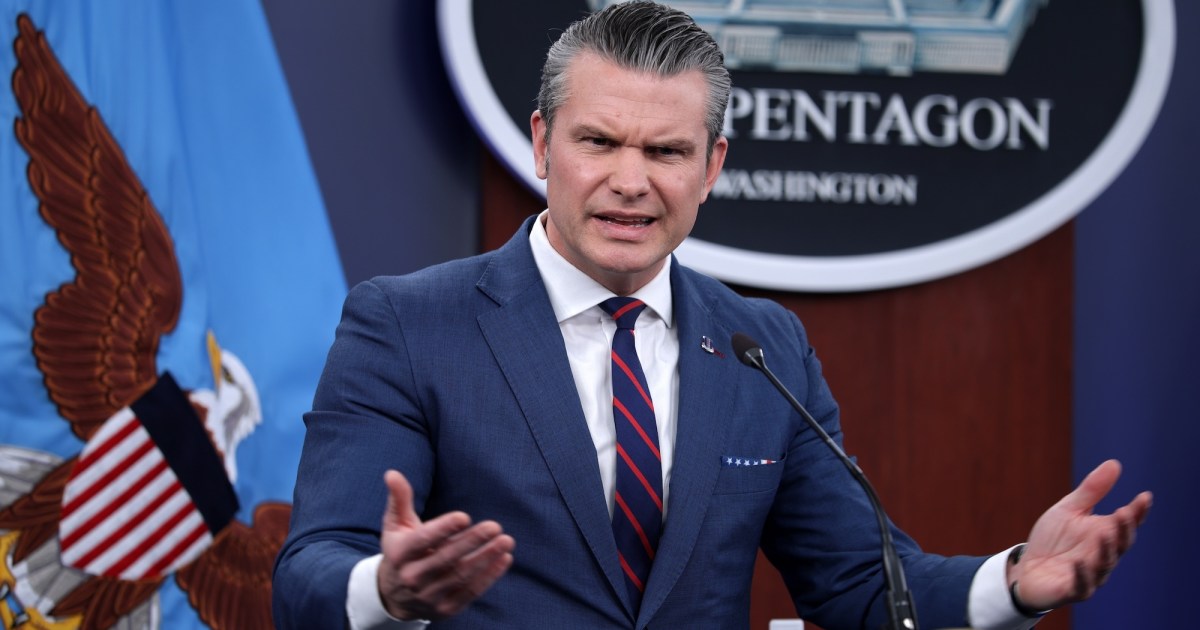
President Trump’s nominee for Secretary of Defense, Pete Hegseth, has initiated significant policy changes that could fundamentally alter the operations of Stars and Stripes, the historic military newspaper that has served U.S. service members continuously since World War II.
According to recent reports, the Pentagon has issued an eight-page memo dated March 9 outlining “interim requirements” that would substantially curtail the publication’s editorial independence. The directive would prohibit Stars and Stripes from publishing wire service stories, including those from the Associated Press, and would eliminate comics from its pages. Perhaps most controversially, the memo instructs the newspaper to publish content directly from the Defense Department’s public affairs offices.
The publication’s staff reportedly discovered the memo on the Department of Defense website without prior notification or consultation, raising concerns about transparency in the policy-making process. Stars and Stripes disclosed on Friday that the document was created without any input from its editorial leadership.
These changes come amid broader efforts by the Pentagon under Hegseth to control information about military operations, particularly as the administration manages an increasingly unpopular military engagement in Iran that has contributed to rising global oil prices.
The new policy appears to follow through on statements made in January by Pentagon spokesperson Sean Parnell, who announced on social media platform X that the Department planned to “refocus” Stars and Stripes content “away from woke distractions that syphon morale.” At that time, Parnell also indicated that the newspaper would transition to digital-only distribution, ending its more than eight-decade print tradition. The publication traces its origins to the Civil War, when it was first published by Union soldiers.
Stars and Stripes editor-in-chief Erik Slavin expressed particular concern about language in the memo requiring that the publication’s articles “must be consistent with good order and discipline,” terminology derived from the Uniform Code of Military Justice. “If they were to complete a story that the Defense Department did not like, and did not find ‘consistent with good order and discipline,’ would they be in legal jeopardy?” Slavin said in an interview with NPR. “We don’t know the answer to that.”
The newspaper’s congressionally-appointed ombudsman, Jacqueline Smith, whose role is specifically to protect the publication’s editorial independence, told the Washington Post that the directive “threatens Stars and Stripes’ continued editorial independence, and it does so at the detriment of the troops who rely on the newspaper for complete coverage and continued accurate coverage that is not propaganda.”
Further restrictions outlined in the memo include prohibiting Stars and Stripes reporters from filing Freedom of Information Act requests on behalf of the publication and from publishing “controlled unclassified information.” Slavin has stated he has “no plans to commingle military public relations offerings with our independent reporting.”
These developments follow a pattern of increasing tension between Pentagon leadership and the press. Last year, dozens of Pentagon press corps members surrendered their credentials in protest of similar restrictions on journalistic activities.
Stars and Stripes has historically operated with substantial editorial freedom despite receiving significant funding from the Department of Defense, allowing it to provide military personnel with news coverage independent from official Pentagon messaging.
Fact Checker
Verify the accuracy of this article using The Disinformation Commission analysis and real-time sources.

18 Comments
The Pentagon’s changes to Stars and Stripes’ editorial independence are concerning. The military newspaper has long served as a voice for service members – this directive seems to undermine its journalistic integrity.
Agreed. Prohibiting wire stories and requiring Pentagon-approved content raises red flags about transparency and undue influence on the paper’s independent reporting.
As a former service member, I’m troubled by the Pentagon’s efforts to restrict the editorial direction of Stars and Stripes. The paper has long served as a critical independent voice – these changes seem aimed at silencing dissent.
I agree, this is a concerning development. Troops deserve access to a diverse range of news sources, not just government-approved messaging.
As a longtime reader of Stars and Stripes, I’m disappointed to see these editorial changes. The paper has provided valuable independent coverage for decades – this shift seems to undermine its core mission.
Agreed, the loss of the paper’s editorial independence is concerning. Troops should have access to objective news, not just content from the Pentagon’s public affairs offices.
I’m curious to hear more about the rationale behind these policy changes. Restricting the content and sourcing of Stars and Stripes could limit the diversity of perspectives available to troops.
That’s a good point. The military community deserves access to a range of news sources, not just government-approved messaging.
I’m skeptical of the Pentagon’s rationale for these editorial changes to Stars and Stripes. The military newspaper has long served as a voice for service members – this directive seems intended to suppress dissenting views.
Well said. Troops should have access to a diversity of news sources, not just government-approved messaging from the Defense Department.
These policy changes to Stars and Stripes raise serious questions about the Pentagon’s commitment to journalistic integrity and transparency. The military community deserves access to objective reporting, not just content from public affairs offices.
Absolutely. Stars and Stripes has provided valuable independent coverage for decades – limiting its editorial freedom sets a troubling precedent.
These policy changes raise questions about the Pentagon’s commitment to transparency and free press. Stars and Stripes has been a respected source of information for the military community – this directive seems intended to limit its journalistic freedom.
Well said. Controlling the content and sources of a military newspaper goes against principles of a free press that service members are sworn to uphold.
As a regular reader of Stars and Stripes, I’m concerned by the Pentagon’s efforts to curtail the paper’s editorial independence. The publication has provided valuable independent coverage for decades – these changes seem to undermine its core mission.
I agree, this is a troubling development. The military community deserves access to objective reporting, not just content vetted by the Defense Department.
These policy changes to Stars and Stripes raise serious concerns about the Pentagon’s commitment to free press and transparency. The military newspaper has long served as a voice for service members – limiting its editorial freedom is deeply concerning.
Well said. Restricting the content and sources of Stars and Stripes seems intended to control the narrative and limit dissenting views within the military community.