


Listen to the article
The Philippine Center for Investigative Journalism (PCIJ) firmly defended its editorial independence Thursday following criticism from the Chinese Embassy over a recently published investigative report examining pro-China propaganda in Philippine media.
The respected non-profit news organization found itself at the center of diplomatic tension after the Chinese Embassy in Manila issued a statement condemning PCIJ’s extensive report as “malicious” and “baseless.” The embassy’s sharp rebuke came just days after the center published its findings on what it described as coordinated efforts to spread pro-Beijing narratives across various Philippine media outlets.
“We stand by our reporting and our journalists’ methodology,” said PCIJ Executive Director Carmela Fonbuena in a statement. “Our investigation followed rigorous journalistic standards, with multiple sources and extensive documentation supporting our conclusions.”
The PCIJ investigation, published as part of a multi-part series, documented alleged connections between certain Philippine media organizations and Chinese state-affiliated entities. The report identified patterns of content that consistently portrayed Chinese government positions favorably, particularly on sensitive issues such as territorial disputes in the South China Sea and Chinese infrastructure investments in the Philippines.
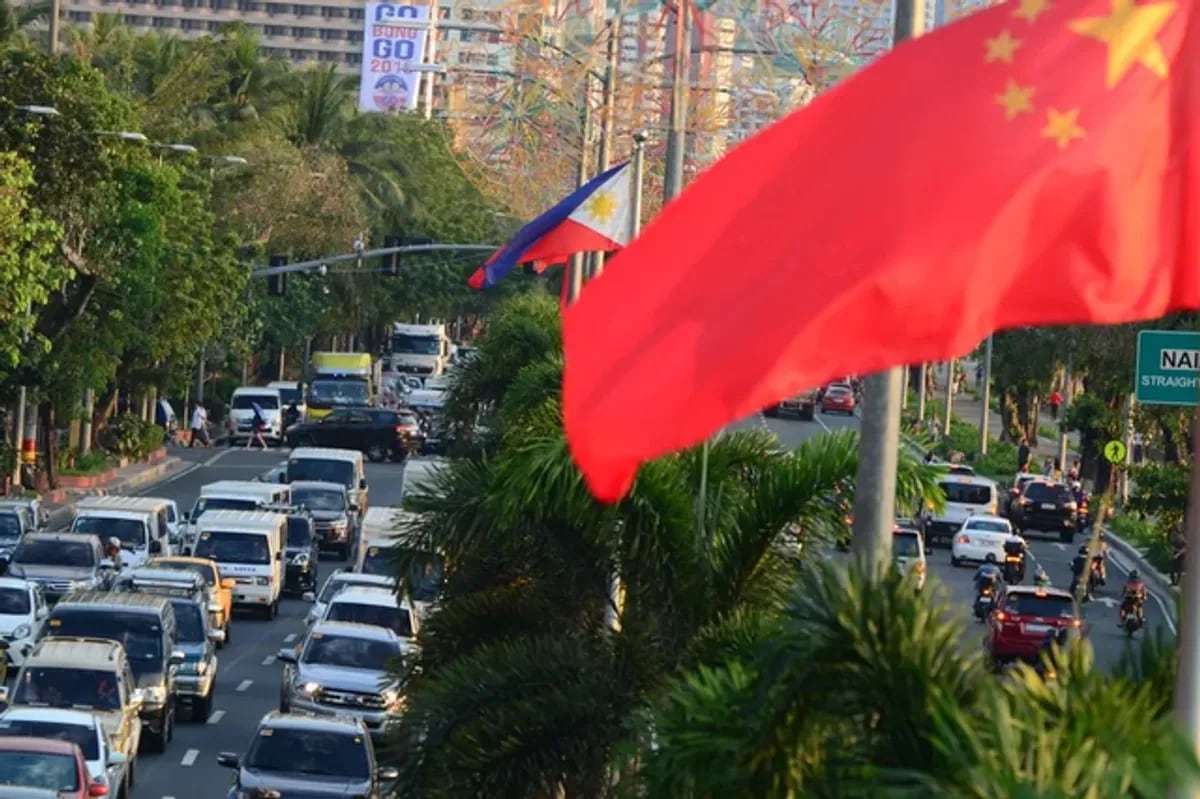
Media experts view the diplomatic flare-up as part of a broader pattern of tensions between press freedom advocates and foreign governments seeking to influence local narratives. The Philippines, positioned at a geopolitical crossroads between Chinese and American influence in Southeast Asia, has become particularly vulnerable to information campaigns.
“This kind of pressure on independent media organizations is concerning but not surprising,” said Dr. Elena Santos, a media studies professor at the University of the Philippines. “What’s happening with PCIJ reflects the intensifying information competition across the region as China expands its soft power initiatives.”
The Chinese Embassy characterized the PCIJ report as “interfering with normal media exchanges” and insisted that partnerships between Chinese and Philippine media organizations were standard practice in international relations. The embassy statement emphasized China’s commitment to “mutual respect” in bilateral relationships and suggested the report could damage diplomatic ties.
Philippine government officials have largely remained silent on the issue, reflecting the delicate balancing act the administration faces in managing relations with China while upholding democratic principles including press freedom.
PCIJ, founded in 1989, has built a reputation for hard-hitting investigative journalism, often tackling corruption and governance issues that other media outlets avoid. The organization has won numerous international awards for its reporting and has survived pressure from various Philippine administrations over its three-decade history.
The controversy highlights the increasingly complex media landscape in Southeast Asia, where traditional journalistic outlets compete with social media platforms that can be more vulnerable to coordinated information campaigns. Regional security analysts have noted an uptick in sophisticated influence operations targeting countries with territorial disputes with China.
“What makes this situation particularly noteworthy is that it involves direct criticism of an established journalistic institution rather than just social media content,” said Raymond Amianan, a regional security analyst based in Manila. “It signals a more confrontational approach to managing the information environment.”
Press freedom advocates across the region have rallied to support PCIJ, with statements of solidarity coming from journalism organizations in Indonesia, Malaysia, and Thailand. The Foreign Correspondents Association of the Philippines also expressed concern about diplomatic pressure on media organizations.
“This incident serves as a reminder of the vital importance of independent journalism in democratic societies,” said Maria Ressa, Nobel Peace Prize laureate and CEO of Rappler, another Philippine news organization that has faced pressure for its reporting. “When powerful entities attempt to discredit legitimate reporting, it only underscores why that reporting is necessary.”
PCIJ has indicated it plans to continue its investigation, with additional reports scheduled for publication in the coming weeks. The organization said it had invited Chinese Embassy officials to provide their perspective during the reporting process, an offer that went unanswered prior to publication.
Fact Checker
Verify the accuracy of this article using The Disinformation Commission analysis and real-time sources.

14 Comments
This report on pro-China propaganda in Philippine media highlights the ongoing global competition for information influence. The PCIJ’s commitment to fact-based, independent journalism is commendable in the face of such diplomatic pushback.
Absolutely. Maintaining the integrity of the media landscape is critical, especially when it comes to sensitive geopolitical issues. I’ll be following this story closely to see how it develops.
The PCIJ’s investigation into pro-China propaganda in Philippine media raises important questions about transparency and the integrity of information sources. Their commitment to rigorous reporting is commendable in the face of such pushback.
I agree. The Chinese Embassy’s aggressive response suggests they are concerned about the potential impact of this reporting. It will be interesting to see if the PCIJ’s findings prompt further scrutiny or action on these issues.
The PCIJ’s findings on coordinated pro-Beijing narratives in Philippine media are concerning. It’s crucial that investigative reporting like this is able to operate freely and without undue external influence or pressure.
I agree. The Chinese Embassy’s response seems aimed at discrediting the PCIJ’s work, which raises further questions about transparency and the underlying issues at play.
This story highlights the delicate balance between media independence and geopolitical influence. The PCIJ’s defense of their journalistic process is crucial, as is maintaining a free press that can investigate sensitive topics without undue pressure.
Absolutely. The embassy’s strong reaction underscores the high stakes involved when it comes to media narratives and information control. It will be important to closely follow how this situation develops and the broader implications for press freedom.
This seems like a complex issue around media influence and potential propaganda. I’m curious to learn more about the PCIJ’s findings and their defense of editorial independence. It will be interesting to see how this diplomatic tension unfolds.
Indeed, the allegations of coordinated pro-Beijing narratives in Philippine media are quite concerning. The PCIJ’s commitment to rigorous journalism and transparency will be crucial in addressing this.
This report underscores the complex geopolitical dynamics at play when it comes to media influence and narrative control. The PCIJ’s defense of its journalistic standards is important, as is maintaining a free and independent press.
Absolutely. The diplomatic tension stemming from this investigation highlights the high stakes involved. It will be crucial to closely monitor how this situation develops and the potential implications for media freedom in the region.
The Chinese Embassy’s sharp rebuke of the PCIJ report raises questions about transparency and media freedom. It’s important that investigative journalism like this is able to operate without undue pressure or influence.
Agreed. The PCIJ’s defense of its methodology and sources is reassuring, but the embassy’s reaction underscores the sensitive nature of these issues around geopolitics and media narratives.