


Listen to the article
In a rare display of independent thinking among sports media personalities, ESPN’s Pat McAfee has refused to follow company directives during the ongoing carriage dispute between Disney and YouTube TV, which has left millions of subscribers without access to ESPN, ABC, and other Disney-owned networks since October 30.
The dispute centers on renewal terms for Disney’s content on the Google-owned streaming platform. According to YouTube TV’s public statements, Disney is seeking terms that would “disadvantage our members while benefiting Disney’s own live TV products.” Industry analysts suggest Disney is leveraging its popular sports programming to drive customers toward its own streaming services, including Hulu, Fubo, and ESPN’s new direct-to-consumer platform.
Meanwhile, YouTube TV maintains that accepting Disney’s demands would necessitate significant price increases for subscribers, leaving the two media giants reportedly “far apart” in negotiations. Despite reportedly losing an estimated $5 million daily while off YouTube TV, Disney has shown little indication of backing down.
As the corporate standoff continues, ESPN has mobilized its on-air talent to pressure YouTube TV, creating a dedicated website urging viewers to contact the streaming service. Many prominent ESPN personalities have dutifully shared these messages across their social media channels.
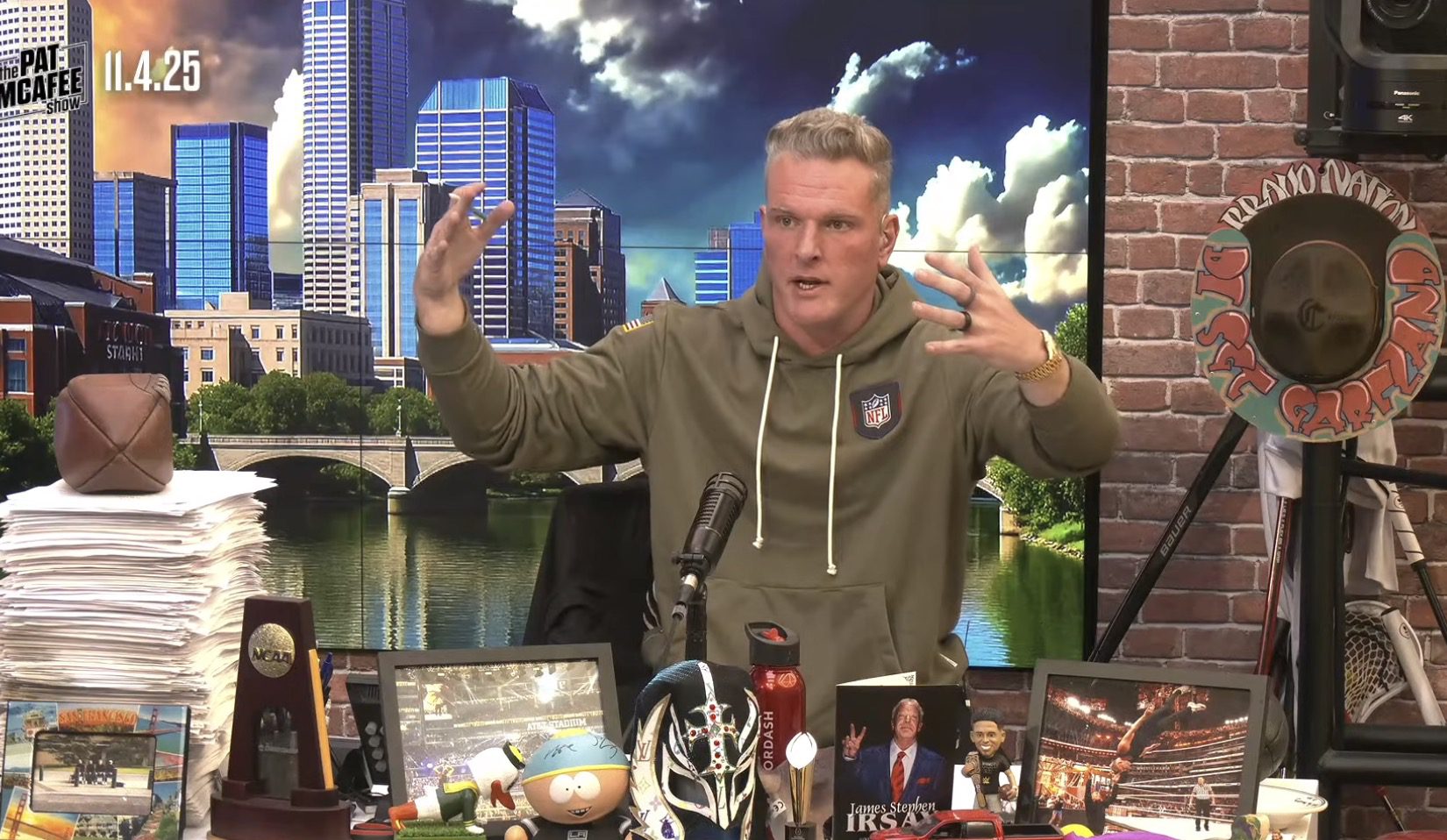
McAfee, however, has notably refused to participate in this corporate pressure campaign. During a recent segment on his show, the former NFL punter publicly criticized colleagues who have become messengers for Disney’s position.
“We’re all done with it. And also, if you’re on TV, stop telling people to go to a website to save a multi-billion dollar deal. Nobody cares what you have to say,” McAfee said. “There will be nothing that we say, or any website that we say, that will get this thing done.”
McAfee’s comments highlight the increasingly common scenario where consumers find themselves caught between competing corporate giants. “A lot of people saying ‘greedy corporations.’ It’s like, yeah, need each other, especially with where sports are right now. And we’re in the middle of it, so let’s get that done. And stop asking me to go to a website. I don’t want to do that, so stop,” he added.
The timing of the dispute has been particularly problematic for sports fans, who missed major programming including college football games over the weekend and Monday Night Football. The situation underscores the growing fragmentation of sports broadcasting as media companies attempt to navigate the transition from traditional cable to streaming platforms.
Public sentiment appears to align with McAfee’s position. Replies to social media posts from ESPN and its personalities show overwhelming support for YouTube TV, with many viewers expressing frustration with Disney’s tactics. Even posts from the SEC and affiliated schools advocating for Disney have faced significant backlash from fans.
McAfee, who licenses his show to ESPN rather than being a traditional employee, has previously demonstrated willingness to challenge network executives. His outspoken nature has made him a polarizing figure in sports media, but his refusal to participate in corporate messaging during this dispute has resonated with many viewers.
The dispute illustrates the evolving power dynamics in media distribution, where content providers like Disney and distribution platforms like YouTube TV each hold significant leverage. Caught in the middle are subscribers who simply want access to the sports content they’re paying for.
As negotiations continue, industry observers note that these types of carriage disputes are likely to become more common as media companies adjust their strategies to prioritize direct-to-consumer relationships over traditional distribution models.
Fact Checker
Verify the accuracy of this article using The Disinformation Commission analysis and real-time sources.

14 Comments
Disney leveraging its sports programming to drive viewers to its own streaming services is a concerning tactic. Healthy competition is good, but this seems like an anti-consumer move aimed at limiting choice.
Agreed, the reported $5 million daily losses for Disney suggest they are willing to play hardball to get what they want. Consumers deserve fair and transparent pricing, not these corporate power struggles.
Pat McAfee is right, most sports fans probably don’t care about the behind-the-scenes negotiations between these companies. They just want to be able to watch their favorite teams and shows without disruption.
Absolutely. These carriage disputes are an unavoidable reality of the increasingly fragmented media landscape, but the companies need to find ways to resolve them without impacting the end user experience.
I’m curious to see how this plays out for the various mining and energy companies that rely on coverage from ESPN and other Disney-owned networks. Any disruption in viewership could impact their exposure and sponsorship deals.
That’s a good point. The mining and energy sectors are heavily dependent on media coverage, so this dispute could have ripple effects beyond just sports fans. The companies will need to find ways to adapt if the blackout continues.
This situation raises some interesting questions about the future of media distribution and the power dynamics between traditional networks and emerging streaming platforms. It will be worth following how this develops.
Agreed, this is a pivotal moment that could set precedents for how these types of carriage disputes are resolved going forward. The outcome will have broader implications for the entire media ecosystem.
This dispute between Disney and YouTube TV over carriage terms seems like a classic power play between two major media conglomerates. It will be interesting to see how it plays out and whether consumers end up paying the price in higher subscription costs.
I agree, these corporate battles often put the interests of the companies ahead of the consumers they’re supposed to serve. Hopefully they can reach a compromise that doesn’t overly burden YouTube TV subscribers.
As a curious observer, I’m hoping this dispute can be resolved amicably and in a way that minimizes disruption for consumers. At the end of the day, the companies need to find a way to serve their audiences effectively.
Well said. Ultimately, the interests of the viewers and subscribers should be the top priority, not the corporate posturing. Hopefully cooler heads can prevail and a mutually beneficial solution can be reached.
From a factual standpoint, it seems clear that Disney is the one making unreasonable demands in this case, based on YouTube TV’s public statements. But of course, there are always two sides to these corporate disputes.
Absolutely, we should be cautious about taking sides without seeing the full details. Both companies likely have their own motivations and justifications, even if the end result is inconvenient for consumers.