


Listen to the article
Saudi Arabia Issues Stern Warning to Iran as Regional Tensions Escalate
Saudi Arabia’s Foreign Minister, Prince Faisal bin Farhan, has warned that the Kingdom’s patience with Iran’s aggression “is not unlimited,” suggesting military action remains possible as Arab and Islamic nations call for Tehran to halt its attacks on Gulf countries.
The statement comes amid repeated Iranian strikes targeting Saudi energy infrastructure and other key installations throughout the Gulf region, raising concerns about a potential wider conflict in the Middle East.
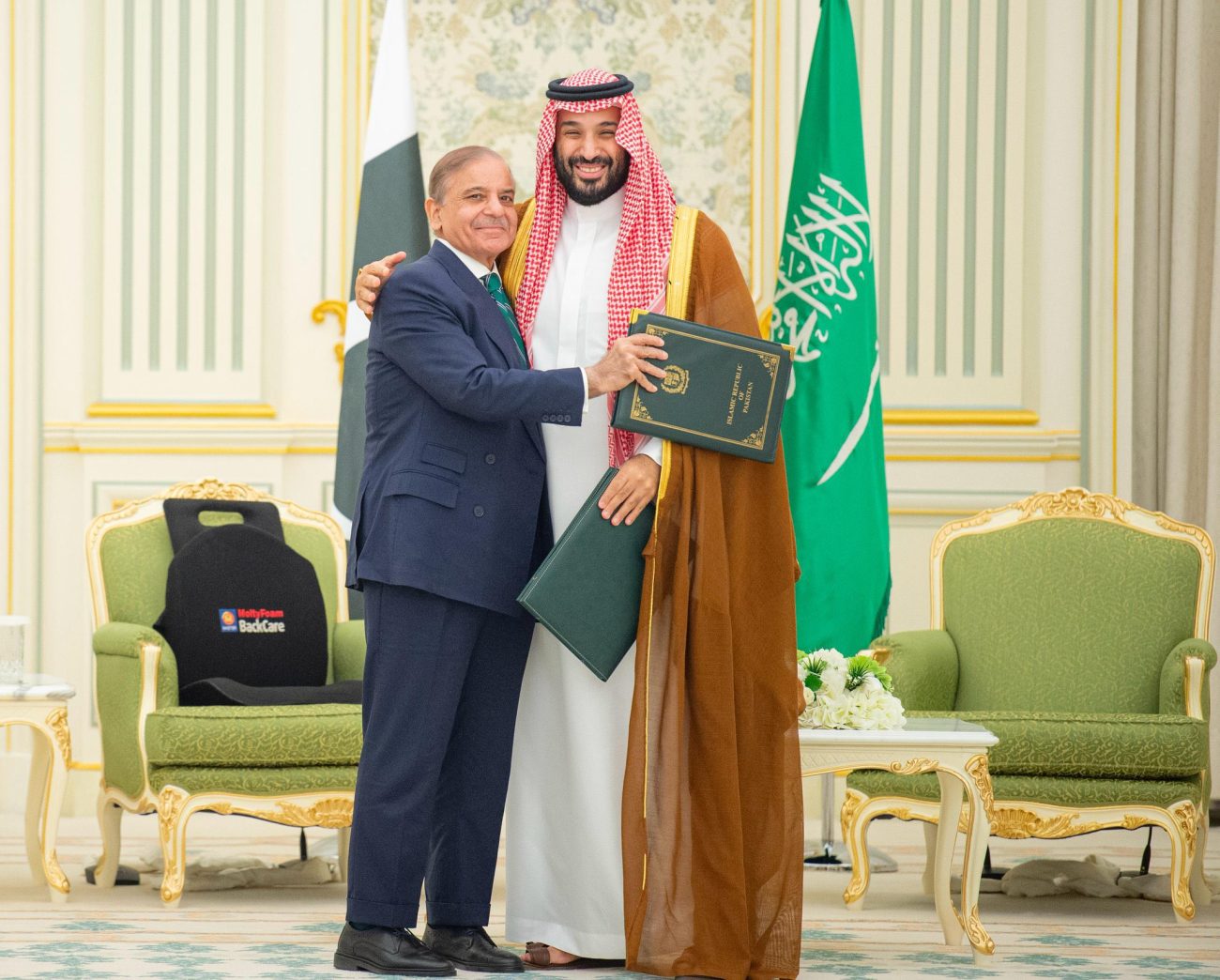
Despite signing a Strategic Mutual Defense Agreement with Saudi Arabia in September last year, Pakistan has remained noticeably silent on Iran’s actions. Islamabad continues to maintain cordial relations with Tehran, even as Saudi Arabia—a country that has provided Pakistan with substantial financial and strategic support for decades—faces direct threats.
The Saudi-Pakistan relationship spans over 70 years, with Pakistani military personnel traditionally helping provide security for the Kingdom. Additionally, hundreds of thousands of Pakistani nationals work in Saudi Arabia, contributing significantly to Pakistan’s foreign exchange reserves.
Iran’s escalating regional aggression comes while the country faces its own internal challenges. In March, Iranian President Masoud Pezeshkian publicly apologized for hostile actions in the Gulf, claiming that Iranian forces had “fired at will in the absence of leadership” following attacks that killed Iranian commanders. Despite these statements, Tehran has continued its offensive operations.
Reports suggest that Iran’s Supreme Leader, Mojtaba Khamenei, may be incapacitated. Some sources indicate he is in a coma with severe organ damage, though Iranian state media has claimed he was transported to Russia for treatment. Analysts speculate his condition—or possible death—may be concealed to prevent destabilization of Iran’s military and militia networks.
The ongoing conflict has severely impacted Saudi Arabia, the United Arab Emirates, and Qatar. Dr. Sultan Al Jaber, the UAE’s Minister of Industry and Advanced Technology, has cautioned that attacks on energy infrastructure are disrupting operations with potential global consequences as tensions mount.
Qatar’s Ministry of Foreign Affairs has declared several Iranian diplomats persona non grata. Intelligence reports indicate that Iranian nationals in UAE—including alleged covert members of the Islamic Revolutionary Guard Corps (IRGC) and Basij militia—may be attempting to organize anti-government activities.
Sources also report that Iranian operatives are recruiting Pakistani nationals across Gulf states to conduct online propaganda campaigns targeting these governments and their leadership. This follows an investigative report by Turkish journalist Uzay Bulut detailing how Pakistan-based networks have been spreading AI-generated Iranian propaganda on social media platforms.
Further complicating regional dynamics, Israel’s Ministry of Foreign Affairs previously exposed a letter from Hamas to Iran’s Supreme Leader urging escalation of conflict across multiple Middle Eastern fronts, including Lebanon, Iraq, and Yemen. The correspondence reportedly described Gulf states as “weak” despite their substantial long-term support for Palestinian causes, particularly from Qatar.
Sheikh Abdullah bin Mohammed bin Saud Al Thani, Qatar’s Ambassador to the United Kingdom and Permanent Representative to the International Maritime Organization, has condemned Iran’s attacks on commercial shipping and maritime infrastructure in the Strait of Hormuz as “clear violations” of international law and freedom of navigation principles.
The ambassador welcomed UN Security Council Resolution 2817, which denounced these attacks while emphasizing the importance of maritime security and adherence to international law.
Regional analysts suggest that Tehran’s strategy aims to weaken Gulf economies, fracture alliances, and exploit hesitation among its opponents. Some Saudi commentators have expressed concern that the United States might ultimately “walk away” from confrontation with Iran, leaving Gulf countries to face Tehran independently.
As tensions continue to rise, Gulf states face increasing pressure to coordinate a more decisive response to Iran’s actions before regional stability deteriorates further, potentially transforming the strategic landscape of the Middle East in ways that could embolden extremism and undermine global security.
Fact Checker
Verify the accuracy of this article using The Disinformation Commission analysis and real-time sources.

10 Comments
The relationship between Pakistan, Saudi Arabia, and Iran is intricate and multifaceted. Pakistan’s silence on the Saudi-Iran tensions is intriguing. One wonders if Islamabad is seeking to position itself as a neutral mediator in the region, or if there are other strategic considerations at play.
It’s a complex geopolitical situation. Pakistan’s position is understandable, as it seeks to balance its relationships with major regional players. However, the repeated attacks on Saudi energy infrastructure are a serious concern that may test Islamabad’s neutral stance.
You make a good point. Pakistan’s neutral stance may become increasingly untenable if the tensions escalate further. Islamabad may be forced to take a clearer position, which could strain its ties with either Saudi Arabia or Iran.
Pakistan’s approach to the Saudi-Iran dynamic is intriguing. Its silence on the recent attacks on Saudi energy infrastructure suggests Islamabad is trying to avoid taking sides. However, this delicate balancing act may become increasingly difficult to maintain if the situation further deteriorates.
This highlights the delicate balance Pakistan must strike in its foreign policy. Maintaining cordial ties with both Saudi Arabia and Iran is a tricky diplomatic maneuver, especially as regional tensions flare up. Islamabad will need to tread carefully to preserve its interests.
This is an interesting geopolitical situation. Pakistan seems to be treading a fine line between its relationships with Saudi Arabia and Iran. It will be important to see how Islamabad navigates this tricky balancing act going forward.
You’re right, Pakistan’s position is quite delicate. As a longtime ally of Saudi Arabia, it will be under pressure to show stronger support. But maintaining ties with Iran is also crucial for Islamabad’s regional interests.
The Saudi warning to Iran raises the stakes in the Gulf. With Saudi energy infrastructure under repeated attack, the potential for escalation is concerning. Pakistan’s silence on this issue is somewhat puzzling, given its historical ties to the Kingdom.
I agree, Pakistan’s stance is puzzling. As a major recipient of Saudi aid and home to many Pakistani workers in the Kingdom, one might expect Islamabad to be more vocal in its support for Riyadh. The regional dynamics are certainly complex.
This highlights the challenges of navigating regional rivalries, especially for a country like Pakistan that has historical ties to both Saudi Arabia and Iran. Islamabad will need to carefully weigh its options to protect its own interests in the Gulf.