


Listen to the article
European football fans are known for their passionate displays of support, but few have mastered the art of match day atmosphere quite like German supporters. Their creative, coordinated displays—known as “propaganda”—have redefined what stadium experiences can be, offering lessons that Leeds United and other English clubs would be wise to consider.
German fan culture emerged from the ashes of the Second World War with a distinctly democratic approach. Unlike in England, where clubs often dictate terms to supporters, German fans developed independent, organized supporter groups that wield significant influence in their clubs’ operations. This fundamental difference is visible in everything from ticket pricing to match day experiences.
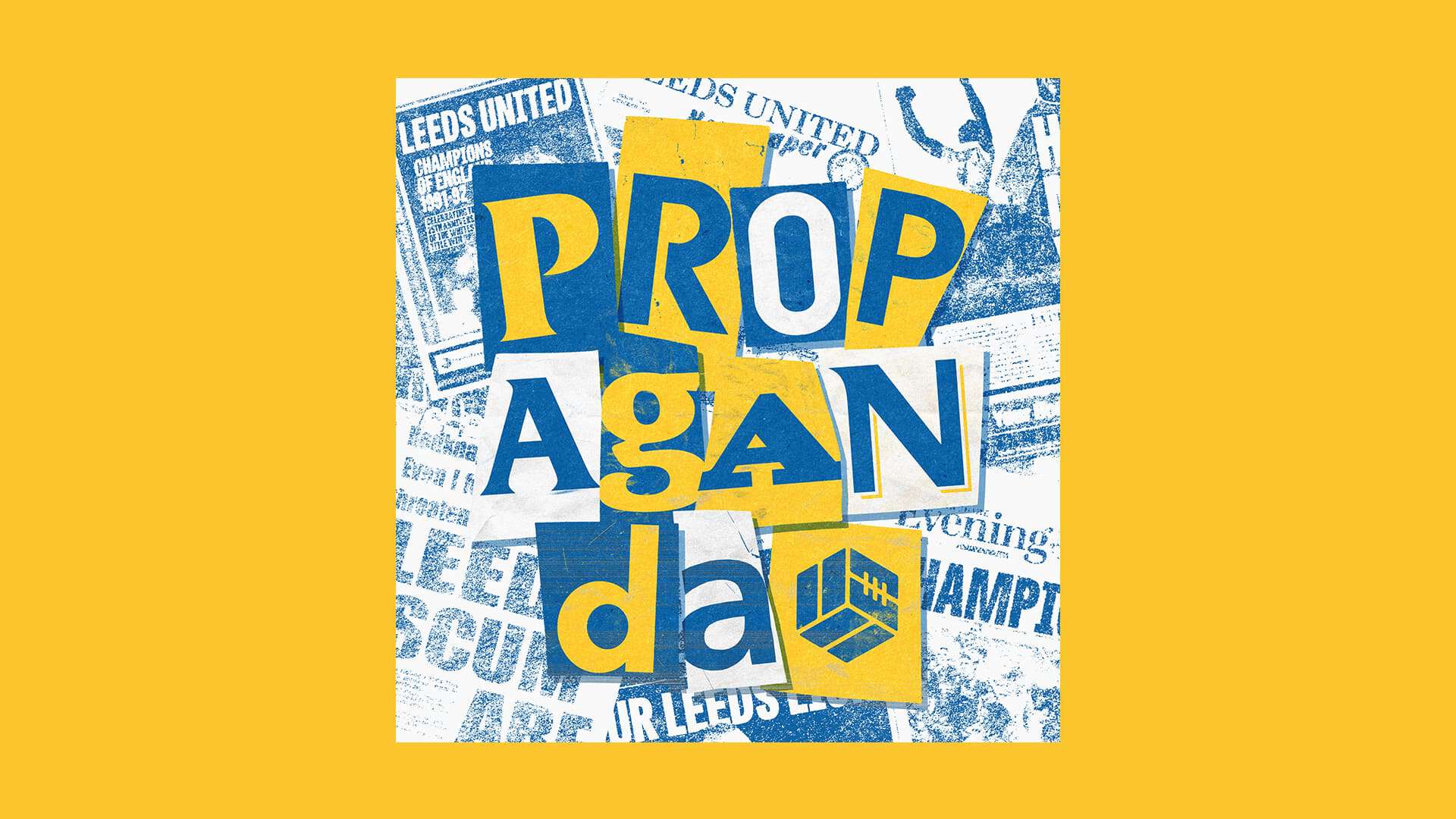
At the heart of German match day culture is the concept of “propaganda”—elaborate choreographed displays featuring massive banners, coordinated flag-waving, and synchronized chanting. These displays aren’t just visually impressive; they represent a collective expression of club identity created by fans themselves rather than being manufactured by club marketing departments.
The contrast with English football is striking. While Premier League stadiums boast world-class facilities and global audiences, many have lost the authentic atmosphere that once defined English football. Corporate influences have transformed many grounds into sanitized entertainment venues where authentic fan expression is often limited to reactions to on-field events rather than proactive creation of atmosphere.
Leeds United, despite its passionate fan base, has experienced this shift. The club has made efforts to improve atmosphere with initiatives like plastic flags and designated singing sections, but these top-down approaches miss the fundamental lesson from German fan culture: true atmosphere comes when fans are empowered to create it themselves.
The most successful examples of “propaganda” in Germany come from supporter groups that operate with significant autonomy. At Borussia Dortmund, the famous “Yellow Wall” isn’t just impressive because of the club’s massive stadium—it’s the result of coordinated fan groups who plan and execute displays independently from club management.
Financial models also play a crucial role in this cultural difference. The German “50+1” ownership rule, which ensures members maintain majority control of clubs, keeps ticket prices accessible. Most Bundesliga standing tickets cost between €15-20, compared to Premier League prices that often exceed £50. This affordability allows for a more diverse fan base and maintains football as a working-class sport rather than a luxury experience.
The physical infrastructure of stadiums further reinforces these differences. German stadiums prioritize standing sections designed for active support, with safe standing areas that encourage movement, flag-waving, and coordinated displays. Many English grounds, by contrast, have eliminated or significantly reduced standing areas following safety regulations implemented after the Hillsborough disaster.
There are signs of change in England, however. Clubs like Crystal Palace have seen the emergence of the “Holmesdale Fanatics,” a supporter group that has introduced elements of European-style displays. At Leeds United, fan-led initiatives have occasionally broken through, demonstrating the potential for a more participatory approach to match day atmosphere.
For Leeds United and other English clubs looking to enhance their match day experience, the German model offers valuable insights. Rather than imposing corporate-designed “atmosphere enhancement” initiatives, clubs might better serve their supporters by creating conditions where fan culture can naturally flourish.
This means working with supporter groups rather than attempting to control them, providing affordable tickets that maintain economic diversity in the stands, and designing stadium spaces that facilitate rather than restrict communal expressions of support.
As English football continues to evolve in an increasingly commercial environment, finding this balance becomes more critical. The most memorable sporting atmospheres aren’t created by marketing departments or pre-recorded chants—they emerge organically from communities of supporters who feel ownership of their club’s culture.
The German approach to “propaganda” demonstrates that the most authentic expressions of football support come when fans are treated as participants in creating the spectacle, not merely as consumers of it. For Leeds United and clubs across England, this might be the most important lesson from their continental counterparts.
Fact Checker
Verify the accuracy of this article using The Disinformation Commission analysis and real-time sources.

10 Comments
The article’s exploration of the cultural differences in fan engagement between German and English football is really insightful. The notion of ‘propaganda’ as a fan-driven, collective expression of club identity is a fascinating contrast to the more corporate approach in the Premier League. I wonder what specific steps English clubs could take to emulate some of that grassroots, democratic fan involvement.
Agreed, the article highlights a stark contrast in fan culture that has important implications. The German model’s emphasis on fan-led ‘propaganda’ displays seems to foster a much deeper sense of community and shared identity. It would be intriguing to see how English clubs could adapt those principles to revitalize the matchday experience for their supporters.
I’m curious to learn more about the specific choreographed ‘propaganda’ displays at German football stadiums. The idea of fans collectively expressing their club’s identity through elaborate visual and chanting performances is really unique. I wonder if English clubs could emulate that in a way that resonates with their supporters.
Agreed, the ‘propaganda’ concept seems like a powerful way for fans to feel invested in and shape the club’s identity and match day atmosphere. It would be great to see English clubs finding ways to better harness that kind of grassroots fan engagement and creativity.
The article highlights how German football culture emerged from a very different historical context post-WWII, emphasizing democratic fan involvement rather than top-down control by clubs. It’s a perspective that challenges the typical Premier League model, which often feels disconnected from supporters.
Absolutely, the article makes a compelling case that the German approach has enabled more authentic, grassroots fan engagement. It would be fascinating to see how English clubs could adapt some of those principles to revitalize the matchday experience for their supporters.
Fascinating insights into the cultural differences between German and English football fan experiences. The concept of ‘propaganda’ as a fan-driven, collective expression of club identity is really intriguing. I wonder what lessons English clubs could learn from this democratic, grassroots approach.
Definitely an interesting contrast. The fan-led ‘propaganda’ displays in Germany seem to foster a much stronger sense of community and shared identity compared to the more corporate approach in England.
This article highlights an intriguing cultural gap between fan experiences in Germany versus England. The emphasis on democratic, fan-led ‘propaganda’ displays in Germany stands in stark contrast to the more corporate, top-down approach often seen in the Premier League. It’s a thought-provoking comparison that raises questions about how English clubs could better empower their supporters.
Definitely an interesting dynamic. The article makes a compelling case that the German model has fostered a stronger sense of fan ownership and identity, which seems to translate into more vibrant, authentic match day experiences. Lessons for English clubs to consider, for sure.