


Listen to the article
Olivia Dean walked up to the stage on February 1st to accept the Grammy for Best New Artist, to no one’s surprise. Yet within hours, social media users had transformed her victory into something far more contentious — an alleged plot to undermine feminism through fashion choices.
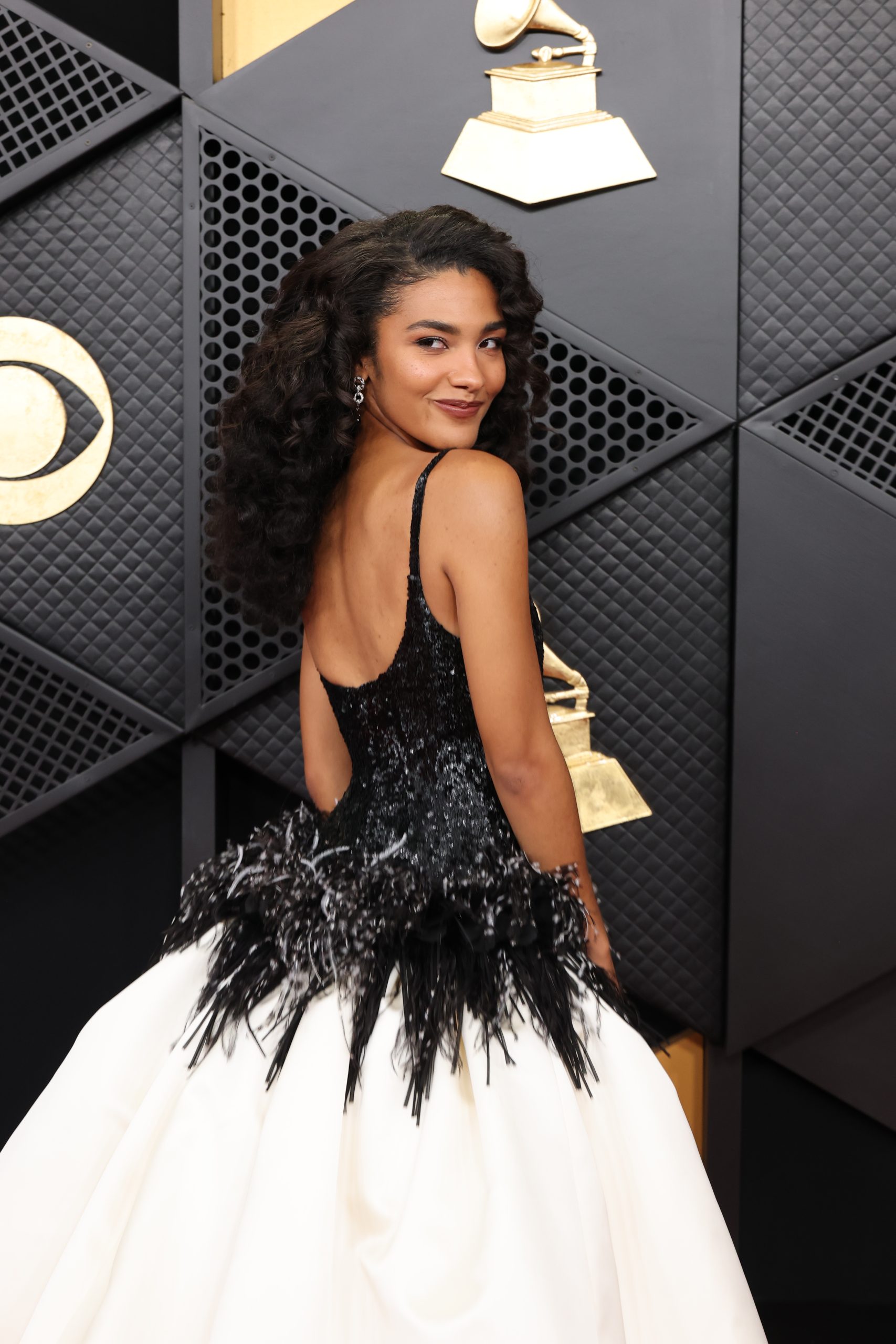
Critics quickly accused the 26-year-old British singer of pushing a conservative agenda disguised as neo-soul music. Her preference for vintage aesthetics — satin slips, modest necklines, and feminine dresses — prompted some to label her a figurehead for the “trad wife” movement, a controversial internet subculture promoting traditional gender roles.
The discourse exploded when users began analyzing Dean’s wardrobe as political statements rather than artistic choices. One Twitter user, @FENDIANASTARRR, claimed, “she didn’t make this for billboard… or sales…. she made this to perpetuate the ideals of trad wife to modern day youth trying to restore our population to a once heteronormative way of living.”
Another post garnered over 20,000 shares by suggesting, “she didn’t make this for billboard, she made this for tj maxx and single mom grwm tiktoks.”
This rush to transform personal style into political controversy highlights a troubling pattern in contemporary cultural discourse. Dean’s aesthetic clearly references the jazz and soul legends who influence her music, yet critics interpret her modest fashion choices as a rejection of modern feminism.
The leap from “vintage fashion enthusiast” to “right-wing propagandist” reveals a fundamental inability to distinguish between aesthetic preference and political manifesto. It also demonstrates a narrow view of feminism that demands women present themselves according to specific expectations of empowerment.
What makes these accusations particularly ironic is Dean’s actual background. Far from embodying traditional gender roles, the London-raised artist describes herself as “a very strong feminist” who was raised by “very strong, independent women” — specifically her mother and aunt. Until 2023, she exclusively hired female directors for her music videos and has built her career without the nepotistic advantages enjoyed by many of her contemporaries.
Rather than selling a “trad” lifestyle, Dean focuses on her craft. Speaking about her album “The Art of Loving,” she explained, “You’ve got to put the time in, it’s a craft, it’s like playing an instrument or any other skill.”
This backlash against Dean mirrors similar criticism faced by other women in the public eye, such as content creator Nara Smith, who has been criticized for a feminine presentation that doesn’t align with contemporary expectations of empowered womanhood. The pattern suggests a troubling trend: unless female artists perform a specific brand of aggressive, commodified sexuality, they risk being labeled as regressive or anti-feminist.
The controversy exposes a contradiction in how we approach diversity in the music industry. While there are frequent calls for more varied representation, when an artist like Dean succeeds by embracing softness and soul while rejecting pop spectacle, critics dismiss her as “boring” or politically dangerous.
Music industry analysts note this represents a narrowing definition of acceptable female expression in popular culture. While previous generations of feminist thought championed women’s freedom to make personal choices, today’s discourse often polices those choices through a rigid political lens.
Dean herself seems unconcerned with the noise surrounding her aesthetic choices. In an NPR interview last year, she addressed potential criticism with remarkable confidence: “If someone was to say they didn’t like it, I would just be like, ‘Well, that’s fine, I love it and it’s real.'” She added simply, “It will never be bad for me.”
As Dean’s star continues to rise following her Grammy win, the controversy highlights broader questions about the intersection of art, fashion, and politics in the social media age. While her critics attempt to define her through their own political frameworks, Dean appears focused on what matters most — making music that feels authentic to her artistic vision, regardless of how others might interpret her personal style.
Fact Checker
Verify the accuracy of this article using The Disinformation Commission analysis and real-time sources.

7 Comments
It’s interesting to see how quickly Olivia Dean’s Grammy victory sparked this controversy over her fashion and perceived ‘trad wife’ messaging. While style can carry cultural significance, I’m not convinced this is as clear-cut a case as some are making it out to be.
This whole situation surrounding Olivia Dean highlights the dangers of social media discourse. Jumping to conclusions about an artist’s political views based solely on their fashion choices feels like a concerning trend. We should be more measured in our analysis.
The online discourse around Olivia Dean’s Grammy win seems to have taken a very strange turn. Analyzing an artist’s wardrobe as a political statement feels like a huge stretch. Shouldn’t we be celebrating her musical accomplishments instead of dissecting her personal style?
Accusing an artist of promoting a ‘conservative agenda’ based solely on their wardrobe feels like a stretch. Isn’t it possible Dean simply has a retro style she enjoys, without any deeper political messaging? We shouldn’t rush to politicize everything.
While the ‘trad wife’ movement is certainly controversial, I’m not sure it’s fair to lump Olivia Dean into that category just because of her fashion preferences. Maybe we should focus more on her actual music and artistry rather than perceived subtext in her outfits.
Interesting controversy over Olivia Dean’s fashion choices and perceived political messaging. While personal style can certainly carry cultural implications, it’s important to avoid jumping to conclusions without deeper understanding of the artist’s own views and intentions.
This seems like an overly simplistic interpretation of Dean’s aesthetic. Fashion is a complex form of self-expression, and one person’s ‘traditional’ may be another’s artistic vision. We should be cautious about reading too much into sartorial choices.