


Listen to the article
Dhurandhar 2 Sparks Intense Debate on Cinema’s Role in Political Narratives
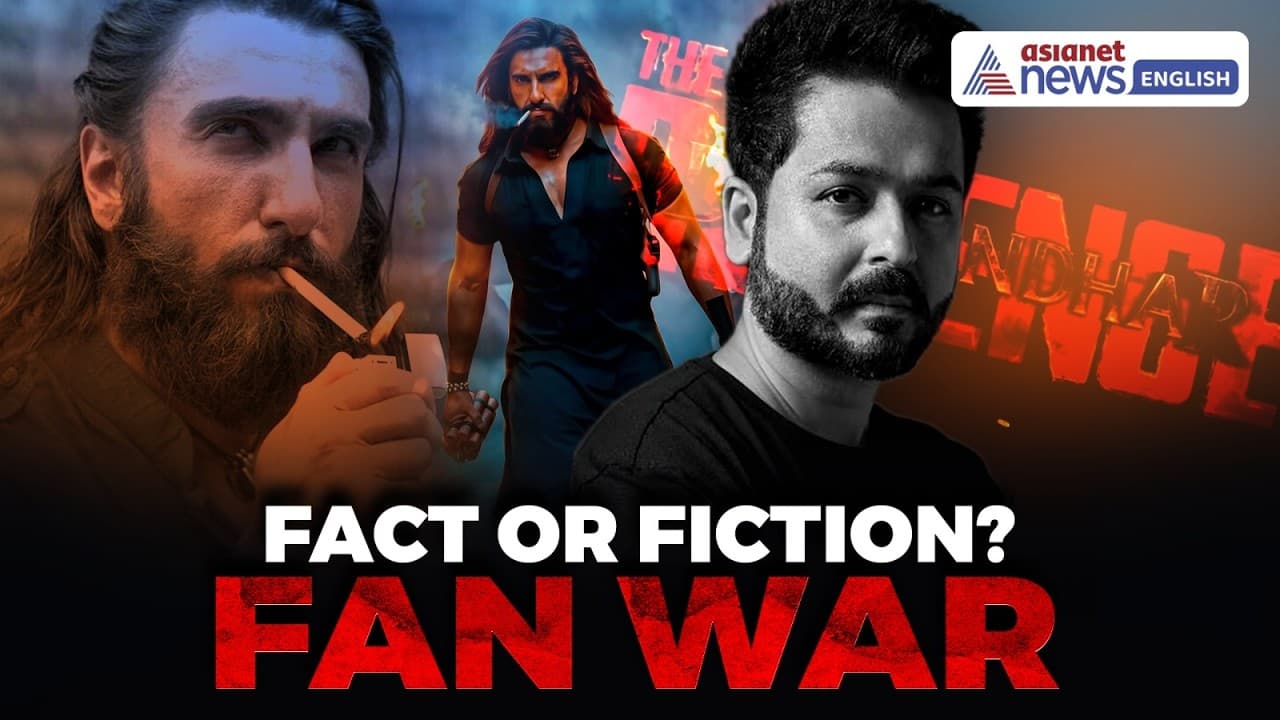
What began as a routine content meeting at a media office unexpectedly transformed into a passionate debate about one of the most talked-about films in recent months. The discussion about Dhurandhar 2, which was originally meant to be a brief segment on viral trends, quickly evolved into a complex conversation about cinema’s purpose, political messaging, and the blurry line between patriotism and propaganda.
The impromptu debate, which was recorded and has since gained significant traction online, offers viewers an unfiltered look at how creative professionals grapple with analyzing controversial content. The nearly 20-minute video captures the escalating tension as team members express increasingly divided opinions about the film.
At the core of the disagreement is whether Dhurandhar 2 should be celebrated as a cinematic achievement or criticized for its allegedly one-sided political narrative. Participants in the debate raised concerns about the film’s handling of actual political events, particularly its portrayal of contentious policies like demonetization, which sent shockwaves through India’s economy in 2016.
“The discussion quickly moved beyond simple film criticism into deeper territory,” noted one observer familiar with the video. “You can see the meeting participants wrestling with fundamental questions about art’s responsibility to show multiple perspectives, especially when depicting recent historical events that still evoke strong reactions.”
The film’s ambitious four-hour runtime became another focal point of the debate. Some participants praised the extended format as necessary for the complex storytelling, while others questioned whether the length served the narrative or simply provided more opportunity for political messaging.
Industry analysts point out that Dhurandhar 2 is part of a growing trend of films that blur entertainment with political narratives. This phenomenon has divided critics and audiences alike, with some celebrating these productions for tackling meaningful social issues while others express concern about potential historical revisionism.
The team’s discussion also delved into the film’s performances and casting choices. Despite disagreements about the film’s political leanings, there appeared to be consensus regarding the quality of acting and production values, highlighting how technical excellence can sometimes exist separately from ideological concerns.
What makes the recorded debate particularly compelling is its authenticity. Without scripts or preparation, the participants engaged in a raw exchange that reflects the larger cultural conversation happening across the country. The spontaneous nature of the discussion—which was originally never intended for public viewing—offers a rare glimpse into how media professionals process and debate controversial content behind closed doors.
“The moment we realized this conversation was itself becoming content was fascinating,” commented a participant in the debate. “It speaks to how meta our media landscape has become—we were creating content about creating content about content.”
The viral spread of this office debate demonstrates the public’s appetite for genuine discourse about the intersection of entertainment and politics. In an era of carefully crafted public statements, viewers appear drawn to the unfiltered exchange of ideas captured in this meeting.
Film scholars note that debates about cinema’s political influence are not new, but have taken on renewed significance in an increasingly polarized media environment. The discussion around Dhurandhar 2 reflects broader concerns about how storytelling shapes public perception of historical events and political figures.
As the video continues to circulate online, it serves as a reminder of cinema’s power to provoke meaningful dialogue about national identity, history, and the responsibility of filmmakers when portraying politically charged narratives. Whether viewed as masterpiece or propaganda—or something in between—Dhurandhar 2 has clearly succeeded in one aspect of great art: stimulating passionate conversation.
Fact Checker
Verify the accuracy of this article using The Disinformation Commission analysis and real-time sources.

5 Comments
The film’s depiction of demonetization seems to be a key point of contention. Reasonable people can disagree on whether it was portrayed accurately or unfairly. Fact-checking claims and looking at multiple sources is important when analyzing politically-charged movies.
Absolutely, maintaining objectivity when discussing politically sensitive topics is challenging but necessary. Focusing the debate on the facts and nuances, rather than getting personal, would yield the most constructive dialogue.
Interesting debate over the film Dhurandhar 2 and its portrayal of political events. Reasonable people can disagree on whether the movie is a nuanced exploration or simplistic propaganda. Analyzing controversial content through open dialogue is important, even if it gets heated at times.
I agree, the tension in the office meeting reflects the divisive nature of the topic. It’s a complex issue without easy answers, and healthy debate is crucial to understand different perspectives.
The debate over Dhurandhar 2’s messaging highlights the fine line between patriotism and propaganda in cinema. There’s room for differing views on where that line should be drawn. Open-minded discussion is key to navigating these complex issues.