


Listen to the article
North Korea Airs Unprecedented Film Depicting Assassination Plot Against Kim Jong Il
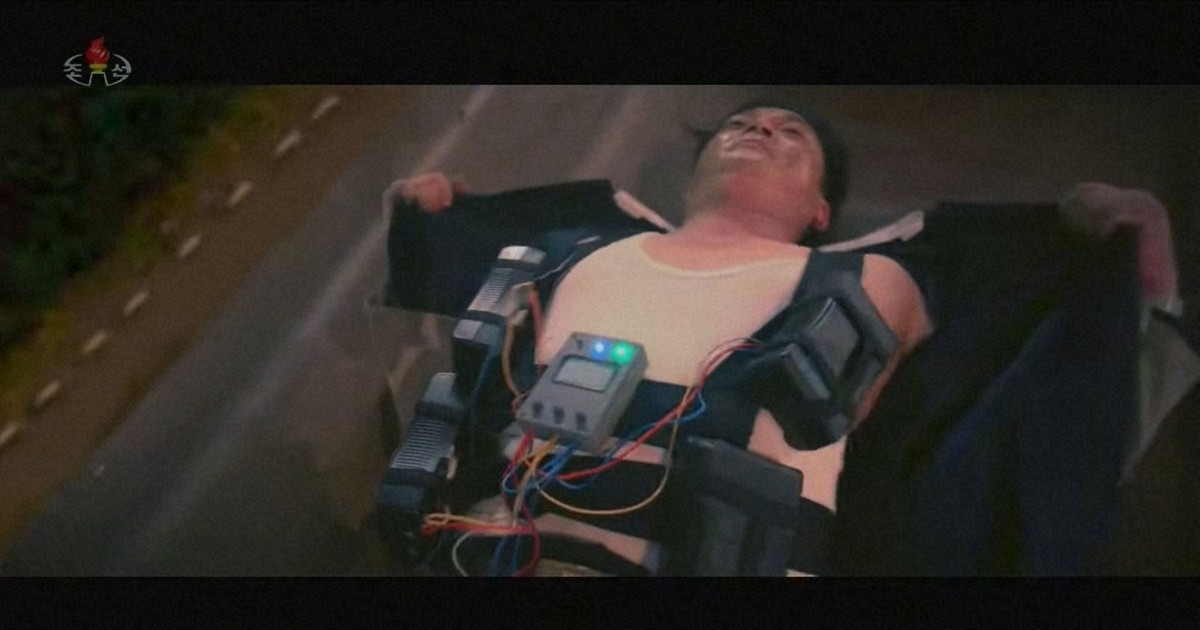
North Korea has taken a bold step in its cinematic propaganda efforts, airing a new film that depicts a failed assassination attempt on former leader Kim Jong Il. The thriller, which South Korean media outlets have characterized as an “unprecedented work addressing a taboo,” was broadcast on state-run Korean Central Television in January after initially being screened exclusively in Pyongyang theaters throughout last year.
The film, titled “Days and Nights of Confrontation,” follows the story of a plot to assassinate Kim Jong Il, the late father of current leader Kim Jong Un, by detonating explosives on a train. This production serves as a sequel to the 2022 movie “One Day, One Night,” which centered on a similar assassination attempt targeting North Korea’s founder, Kim Il Sung, who was Kim Jong Un’s grandfather.
In a narrative thread connecting the two films, the antagonist in the latest production is portrayed as the son of the would-be assassin from the previous movie. Both characters are depicted as “counter-revolutionary elements,” reinforcing the regime’s messaging about threats to the Kim dynasty and the need for unwavering loyalty.
According to South Korean media reports, the film represents a significant departure from traditional North Korean propaganda in both its subject matter and production quality. The thriller reportedly won three awards at the Pyongyang International Film Festival and features surprisingly sophisticated Hollywood-style action sequences, including train fights, car chases, and explosive set pieces.
The willingness to depict potential threats to the Kim family’s leadership, even in a context where such threats are ultimately thwarted, marks a notable shift in North Korea’s propaganda approach. Historically, any suggestion of vulnerability in the leadership has been strictly avoided in state-sanctioned media.
This cinematic evolution appears to be part of a broader trend in North Korean propaganda films. In 2024, the country released “72 Hours,” a war film about lessons learned from the Korean War. That production reportedly featured advanced computer graphics and violent action scenes, with Kim Jong Un himself taking an unusually hands-on role—allegedly writing the script and providing direction to the actors.
Media analysts suggest these more sophisticated propaganda efforts may reflect North Korea’s desire to modernize its messaging while maintaining strict ideological control. The films serve multiple purposes: entertaining domestic audiences, reinforcing the legitimacy of the Kim dynasty, and portraying the regime’s enemies as perpetually threatening but ultimately defeatable.
The public airing of “Days and Nights of Confrontation” on state television significantly expands its audience beyond those able to attend theatrical screenings in Pyongyang. This broader distribution suggests the regime views the film’s messaging as particularly important for public consumption at this time.
North Korea’s state-controlled media environment means that all entertainment serves propaganda purposes, but these newer productions appear to be blending entertainment values with ideological messaging more seamlessly than previous efforts. The higher production values and more dynamic storytelling techniques may represent an attempt to make propaganda more engaging for younger North Korean audiences who have had limited exposure to international media despite increasing smuggling of foreign content into the country.
While the films portray fictional threats to the leadership, they ultimately reinforce the central narrative of the Kim regime’s invincibility and the severe consequences for those who would challenge it—a message that remains consistent even as the packaging becomes more sophisticated.
Fact Checker
Verify the accuracy of this article using The Disinformation Commission analysis and real-time sources.

12 Comments
The depiction of an assassination plot against the Kim family underscores how paranoid and insecure the North Korean regime must feel. I wonder how these films are received by the general public.
Agreed. Portraying the Kim dynasty as under siege likely aims to justify the regime’s authoritarian control and cult of personality.
Interesting how North Korean propaganda depicts assassination attempts on their leaders. I wonder what the true motivations and narratives are behind these films.
Definitely raises questions about the regime’s grip on power and public perceptions. Propaganda often reveals deeper insecurities.
This seems like a heavy-handed attempt to stoke nationalist sentiment and portray the regime as under constant threat. I’d be curious to learn more about the actual historical context behind these films.
Good point. North Korean media is so tightly controlled, it’s hard to separate fact from fiction in these types of productions.
These North Korean propaganda films offer a glimpse into the regime’s attempts to portray itself as under constant threat. It would be fascinating to understand the intended messaging and audience for such productions.
Agreed. Analyzing the narratives, symbolism, and framing used in these films could provide valuable insights into the North Korean leadership’s priorities and insecurities.
The North Korean regime’s decision to air a film depicting an assassination attempt on its leader seems like a bold, if not desperate, move. I wonder what impact it may have on domestic audiences.
Good point. Stoking fears of external threats is a common tactic used by authoritarian regimes to justify their continued rule.
These North Korean propaganda films provide a window into the regime’s propaganda tactics and its efforts to shore up support. It would be interesting to analyze the messaging and symbolism used.
Absolutely. Understanding how the regime frames threats to its power is crucial for analyzing the broader political dynamics in North Korea.