


Listen to the article
Nigerian Government Rejects Claims of Religious Genocide as Clergy Insists on Christian Persecution
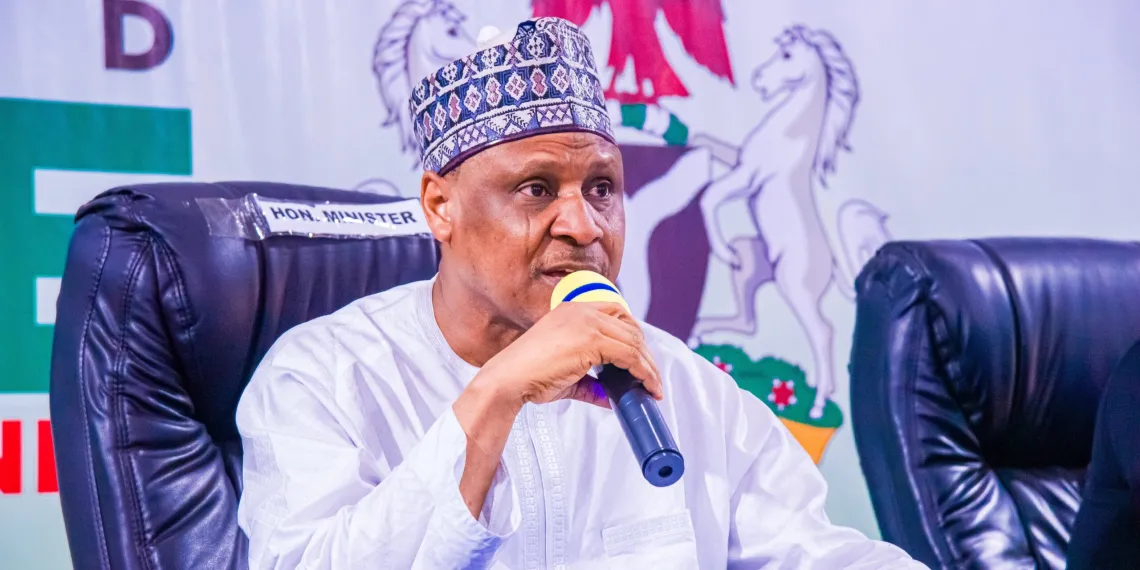
The Nigerian government has strongly rejected allegations of religious genocide in the country, with Information Minister Mohammed Idris describing such claims as “despicable single narratives” designed to undermine national unity and damage Nigeria’s global reputation.
During the unveiling of preparations for the World Public Relations Forum (WPRF) scheduled for Abuja in 2026, Idris called on communication professionals to counter what he described as a foreign-orchestrated propaganda campaign misrepresenting Nigeria as a nation where faith-based persecution occurs.
“We must come to terms with existential reputational threats to our national brand, in which external purveyors of untruth are mischaracterising our nation as a destination for a so-called persecution of people based on their faiths,” the minister stated. “For the umpteenth time, I am emphatic that there’s no iota of truth in the claim of a Christian genocide in Nigeria.”
The government’s denial, however, faces direct contradiction from religious figures on the ground. Jos-based clergyman Isa El-Buba, Founder and President of EL-Buba Outreach Ministries International, maintains that Christian genocide is indeed occurring, particularly in Plateau State, a region that has experienced significant intercommunal violence in recent years.
In a video message shared on social media, El-Buba claimed that Christians in the state are being systematically targeted by what he described as Islamic extremists and fundamentalists. He cited what he called alarming statistics indicating Christians are killed at a ratio of 6.5 to 1 compared to Muslims in the affected regions.
“The question to ask is: who are the killers? Is it the Muslims killing themselves and then coming after Christians?” El-Buba questioned in his statement. He referenced recent mass burials in three Plateau State locations occurring on the same day as evidence of the scale of violence against Christians.
Nigeria’s Plateau State has long been a flashpoint for intercommunal tensions, sitting at a geographical and cultural boundary between the country’s predominantly Muslim north and Christian south. The region has experienced cycles of violence that have often been characterized differently by various stakeholders, with some emphasizing religious motivations and others pointing to competition over land, resources, and political influence.
The disagreement highlights Nigeria’s complex challenge in addressing domestic security concerns while managing its international reputation. Religious violence allegations potentially impact foreign investment, diplomatic relations, and Nigeria’s standing in international organizations.
The forthcoming World Public Relations Forum, which sparked the minister’s comments, will be hosted by the Nigerian Institute of Public Relations (NIPR) in partnership with the Global Alliance for Public Relations and Communication Management. Under the theme “Responsible Communication: The Voice of the World,” the event will bring together global leaders and PR practitioners to discuss ethical communication practices.
NIPR President Dr. Ike Neliaku expressed confidence that the 2026 forum would provide an opportunity to showcase Nigeria’s transformation to the world. Traditional leadership also voiced support, with the Etsu Nupe and Chairman of the Niger State Council of Traditional Rulers, Yahaya Abubakar, pledging the backing of traditional institutions for the event.
The conflict over religious violence narratives emerges amid Nigeria’s broader struggle with insecurity challenges, including a long-running Islamist insurgency in the northeast, banditry in the northwest, and separatist agitations in the southeast. How the government addresses these security concerns while engaging with international perceptions will likely remain a significant challenge for President Bola Tinubu’s administration in the coming years.
Fact Checker
Verify the accuracy of this article using The Disinformation Commission analysis and real-time sources.

8 Comments
The Nigerian government’s accusation of a ‘foreign-orchestrated propaganda campaign’ is concerning. While I don’t doubt that there are external actors trying to shape the narrative, the claims of ‘no iota of truth’ in Christian persecution seem overly dismissive. More transparency and independent investigation would be helpful.
I agree, the government’s strong denials raise more questions than answers. Reliable, on-the-ground reporting from trusted sources will be crucial to understanding the realities of the situation, beyond the competing political narratives.
The claims of ‘foreign-orchestrated propaganda’ are troubling. While I don’t doubt that external actors may be involved, dismissing all reports of religious persecution as ‘untruth’ seems overly defensive. A balanced, fact-based approach to investigating this issue is needed to understand the realities on the ground.
Well said. Maintaining objectivity and avoiding knee-jerk reactions to sensitive issues like this is crucial. A thorough, impartial investigation that considers all perspectives would be the best way forward to shed light on the truth and find a constructive solution.
Interesting development in the ongoing propaganda war around Nigeria. The government’s strong rejection of claims of religious persecution highlights how complex and politicized this issue has become. I’m curious to hear more perspectives from local religious leaders and civil society groups on the ground.
You raise a good point. It’s important to get a balanced understanding of the situation from multiple stakeholders, not just the government’s stance. Objective and nuanced reporting will be key to shedding light on this sensitive issue.
The Nigerian government’s strong pushback against allegations of religious persecution is understandable, but the contradictory accounts from religious leaders raise serious concerns. This is a complex issue that requires nuanced, evidence-based analysis to understand the realities on the ground, beyond political posturing.
This is a complex geopolitical issue with significant implications. I appreciate the government’s efforts to defend Nigeria’s reputation, but the contradictory accounts from religious leaders suggest a need for deeper inquiry. An objective assessment of the facts, free from propaganda on all sides, would be invaluable.