


Listen to the article
Recent propaganda claiming that Nigeria’s military aircraft was intercepted in Burkina Faso while on an alleged espionage mission has been dismissed by security experts as misleading and politically motivated disinformation.
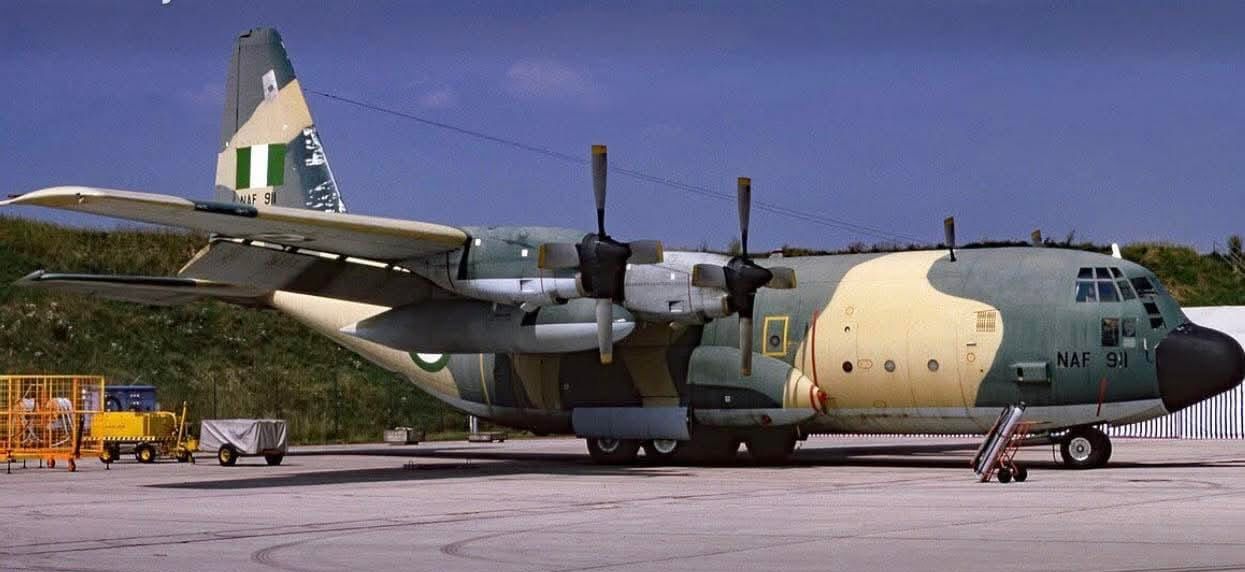
According to security analyst Zagazola Makama, the narrative being pushed by media outlets aligned with the Alliance of Sahel States (AES) represents a deliberate attempt to strain diplomatic relations between Nigeria and Burkina Faso. The propaganda claims that a Nigerian C-130 aircraft was intercepted and forced to land by Burkinabe authorities while conducting surveillance activities.
“This is a clear case of weaponizing misinformation to achieve geopolitical objectives,” noted Makama. “The facts simply don’t align with what’s being reported through these channels.”
Military aviation experts familiar with standard protocols explained that the Nigerian aircraft was on a routine diplomatic clearance flight, which had been approved through official channels. Such flights typically carry diplomatic personnel, humanitarian supplies, or participate in authorized joint exercises—all standard practices in West African regional cooperation.
The timing of these allegations coincides with increased tensions within the Economic Community of West African States (ECOWAS) following the withdrawal of Burkina Faso, Mali, and Niger from the regional bloc earlier this year to form the AES. The three military-led governments have increasingly aligned themselves with Russia while distancing from traditional Western allies and neighboring states that maintain democratic governance.
Security officials speaking on background indicated that the propaganda serves multiple purposes for the AES regimes. “It helps justify their isolationist stance while diverting attention from internal challenges, including ongoing struggles against insurgent groups,” said one official with experience in West African security matters.
The incident highlights the growing information warfare in the Sahel region, where control of narratives has become as important as military engagements. Since military leaders took power in the three AES nations, there has been a systematic campaign to reposition their international alliances, with Russian military contractors like the Wagner Group gaining increased influence.
Nigeria, as West Africa’s largest economy and military power, has been particularly targeted in these disinformation campaigns. As a key stakeholder in regional stability, Nigeria has advocated for constitutional order and democratic governance throughout the region.
“What we’re witnessing is part of a larger strategy to create division among West African states,” explained a regional political analyst who requested anonymity due to the sensitivity of the subject. “The more these military governments can create friction with democratic neighbors, the more they can justify their isolation and alternative alliances.”
The false narrative regarding the Nigerian aircraft also serves to project an image of sovereignty and military capability to domestic audiences in Burkina Faso, where the junta continues to consolidate power amid security challenges posed by jihadist groups.
International observers note that such disinformation campaigns risk further destabilizing an already fragile region facing numerous security threats. The Sahel has become one of the world’s most complex security environments, with armed groups exploiting governance vacuums and cross-border tensions.
“This incident underscores the need for verified information channels and increased diplomatic dialogue,” said a representative from a regional conflict resolution organization. “When false narratives go unchallenged, they can escalate tensions and complicate regional security cooperation, which ultimately benefits extremist groups operating in the region.”
As both Nigeria and the international community continue to monitor developments in the Sahel, experts emphasize the importance of fact-checking and diplomatic engagement to counter the proliferation of politically motivated disinformation campaigns that threaten regional stability and cooperation.
Fact Checker
Verify the accuracy of this article using The Disinformation Commission analysis and real-time sources.

7 Comments
It’s troubling to see how quickly unsubstantiated claims can spread, especially when they fit certain political narratives. I’m glad the experts were able to provide a more nuanced and fact-based perspective on this aircraft incident.
Interesting to see the dismissal of these propaganda claims by security experts. Sounds like a classic case of disinformation being used for geopolitical aims. I wonder what the real story is behind this Nigerian aircraft incident in Burkina Faso.
I’m curious to learn more about the security protocols and approval processes for these kinds of diplomatic flights in West Africa. It sounds like there may be some intentional attempts to misconstrue standard procedures for political purposes.
Good to see the facts being laid out here. Routine diplomatic flights and authorized regional cooperation seem like a much more plausible explanation than some kind of espionage mission. Hopefully this helps cool tensions between the countries.
Weaponizing misinformation to achieve geopolitical objectives is a concerning trend. I hope that cooler heads and facts can prevail in this situation and that Nigeria and Burkina Faso can maintain productive diplomatic relations.
Glad to see some pushback against the misleading narratives being pushed here. It’s important to have clear-eyed analysis of these kinds of geopolitical disputes, rather than getting caught up in inflammatory propaganda claims.
This is a good reminder of the need to be skeptical of sensational reports, especially when they seem designed to inflame tensions between countries. Relying on expert security analysis is key to getting the real story.